
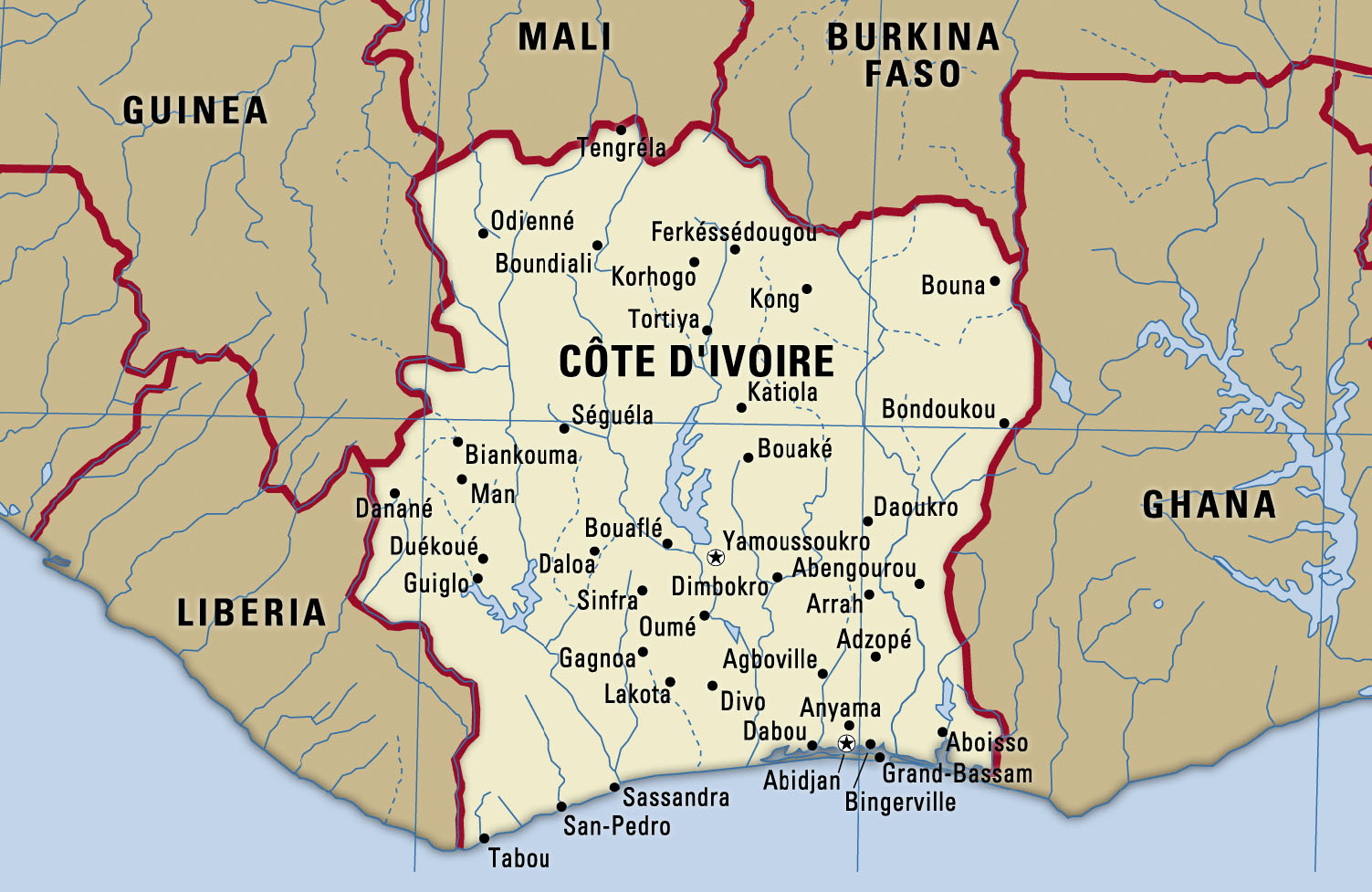
Many people probably won’t be able to point out exactly where Côte d’Ivoire is located on a map, so lets start there. Cote d’Ivoire is located in West Africa, along the Atlantic Ocean. It is bordered by Liberia and Guinea to the west, Mali and Burkina Faso to the north, Ghana to the east, and the Gulf of Guinea to the south.

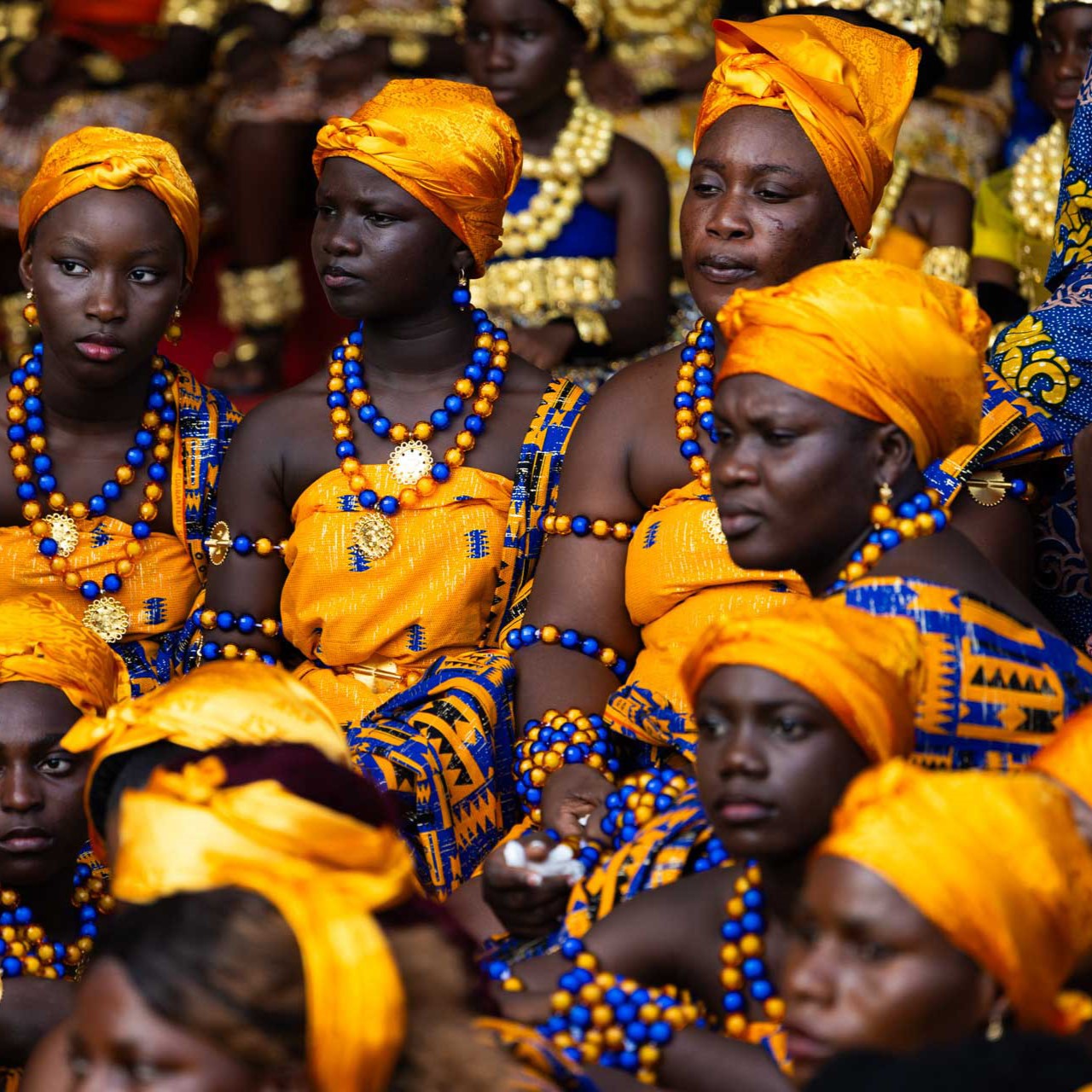
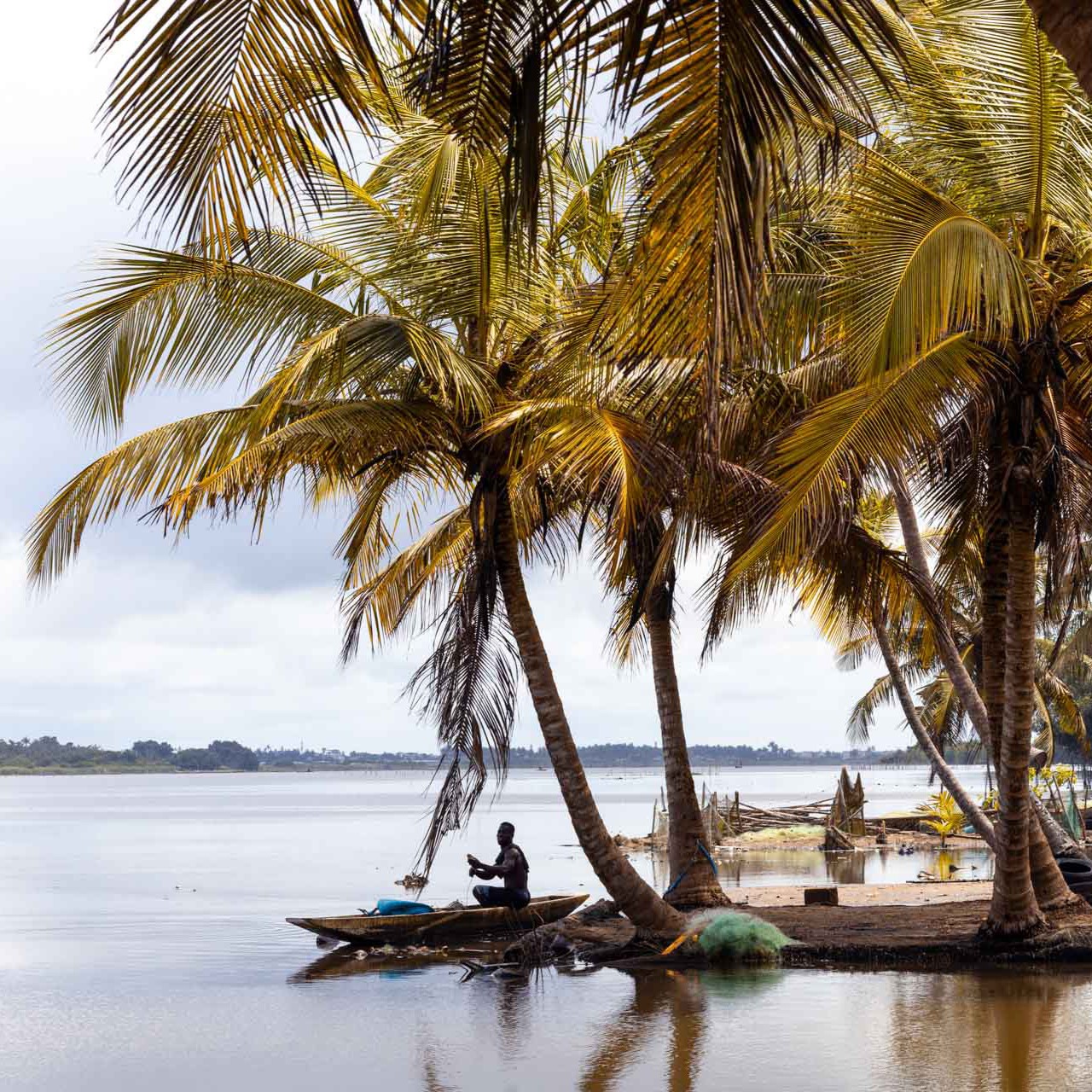
It is exceptionally beautiful, less travelled and quite different from more popular regions of East and Southern Africa. The photographic potential here is amazing… there is just so much colour, music, dance, creativity and expression through the arts. Tourism is still very much in its infancy, but that is exactly what attracts us! Not many other tour operators offer tours to Côte d’Ivoire because the logistics and organization take substantial effort (but believe me, it’s well worth the reward!). Finding safe destinations in West Africa and beyond is our top priority, hence Côte d’Ivoire and Benin were first on our list to offer our clients.
Photography aside, the experience of travel in Côte d’Ivoire is wonderful. The people are incredibly friendly, welcoming, and always hospitable! Put West Africa on top of your list of new places to visit!
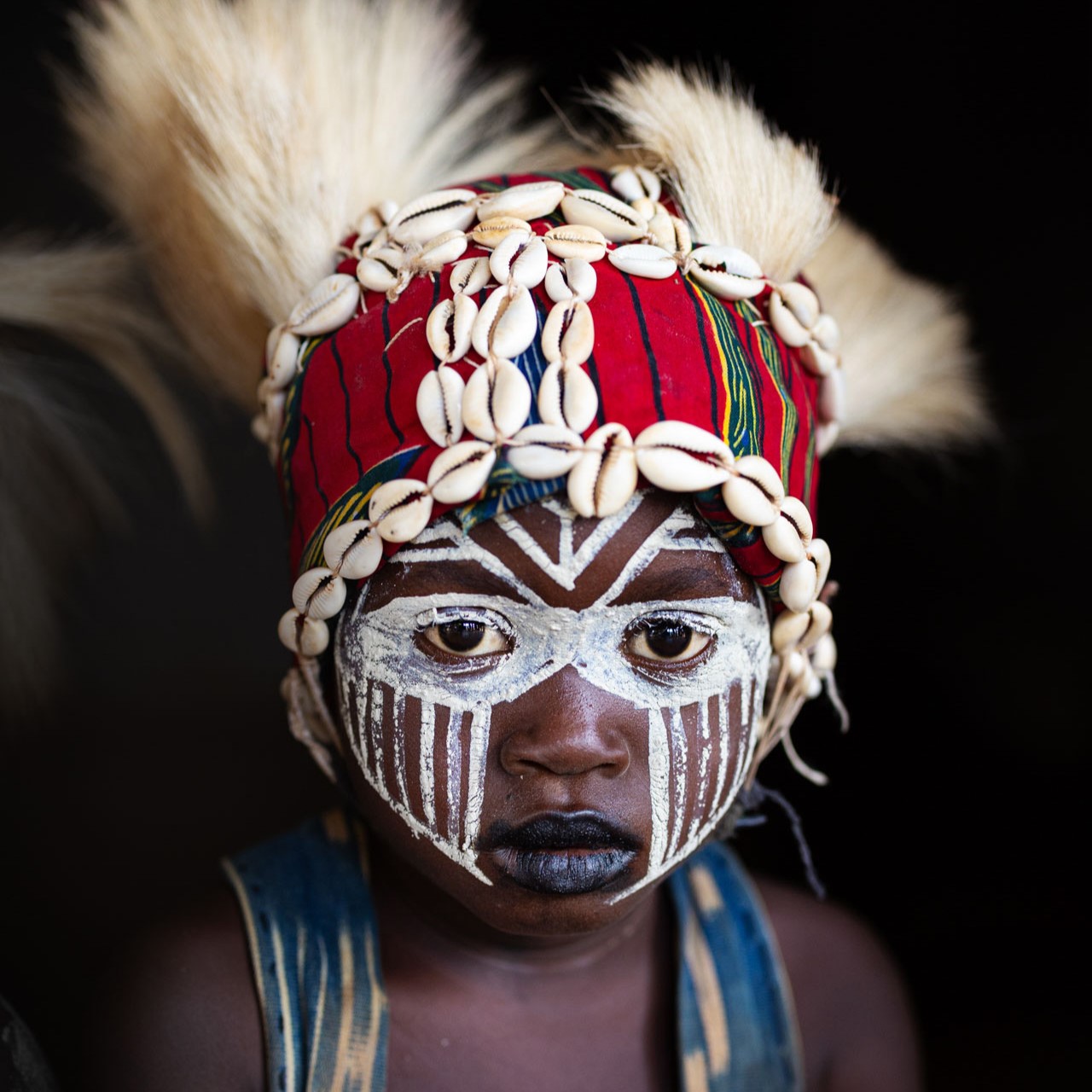
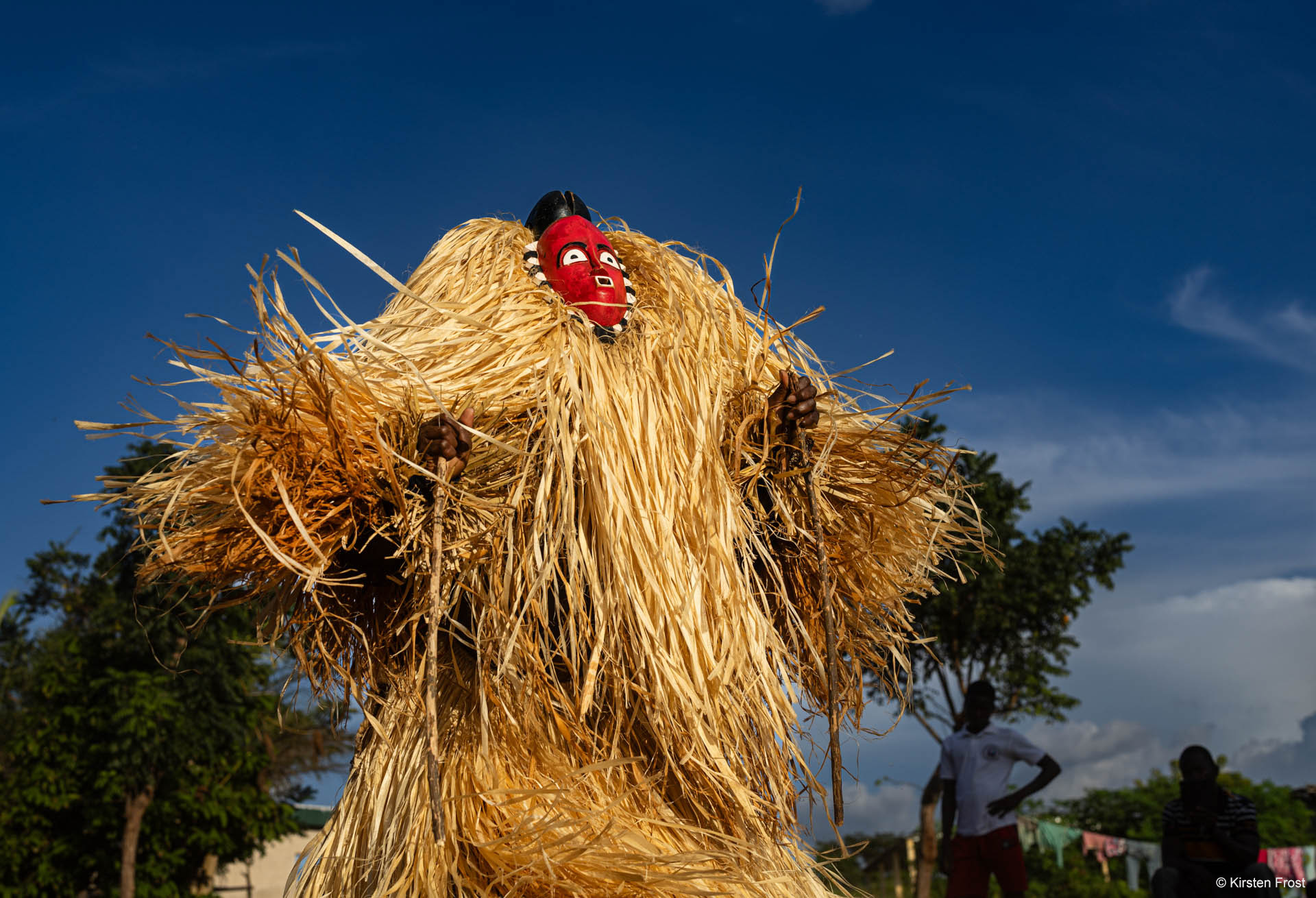
Firstly, the Goli masks – I loved the way they look as they made an entrance and demanded attention. Like most mask appearances, there is normally a build-up with live music and dance, whether it be for entertainment or a ritual based on an event. There is a lot going on which can be quite distracting as we are under the spell of the energy of the village. Even though we know we are there for the Goli masks, they do sort of surprise us because we are so caught up in the truly social and communal event. They were pointed out by a spectator then we realised that the masks are on their way. What I didn’t know about the Goli Mask is they have the hide of an antelope on their back because most photographs show them from the back. To mark a change in dance or to indicate when the next dancer comes on, they hit themselves on the back. It made quite a loud bang! Seeing images and actually experiencing it is completely different. It was a sensory experience on another level.
The Zaouli mask dance of Côte d’Ivoire also stood out. West Africa holds many hidden secrets that outsiders haven’t seen but the Zaouli is one of the more well known masks. It has become almost like a symbol for all mask dances in Africa and received UNESCO recognition for intangible heritage. Their head stands still as their legs bounce at incredible speeds. Everything from the waist down moves, otherwise, the rest of their body is dead still. Most masks are a visual spectacle in terms of their attire but this dance has the most impressive choreography. It still holds a cultural value, but now it is very much a form of entertainment. Some mask performances like the Wambele you can only view in secret and they don’t display it in the whole village, whereas the Zaouli is proudly shown for large open crowds.
The light was patchy through the leaves making the Zaouli challenging to photograph. We used flash to help bring an even punch of light. Under-exposing and relying on the flash to lighten the subject results in a dark background where the flash can’t reach. It is hard to get photographs without distracting elements in the background so the flash helps hone in on the subject. We have fun experimenting with both technical and creative aspects on this Ivory Coast Photo Tour!
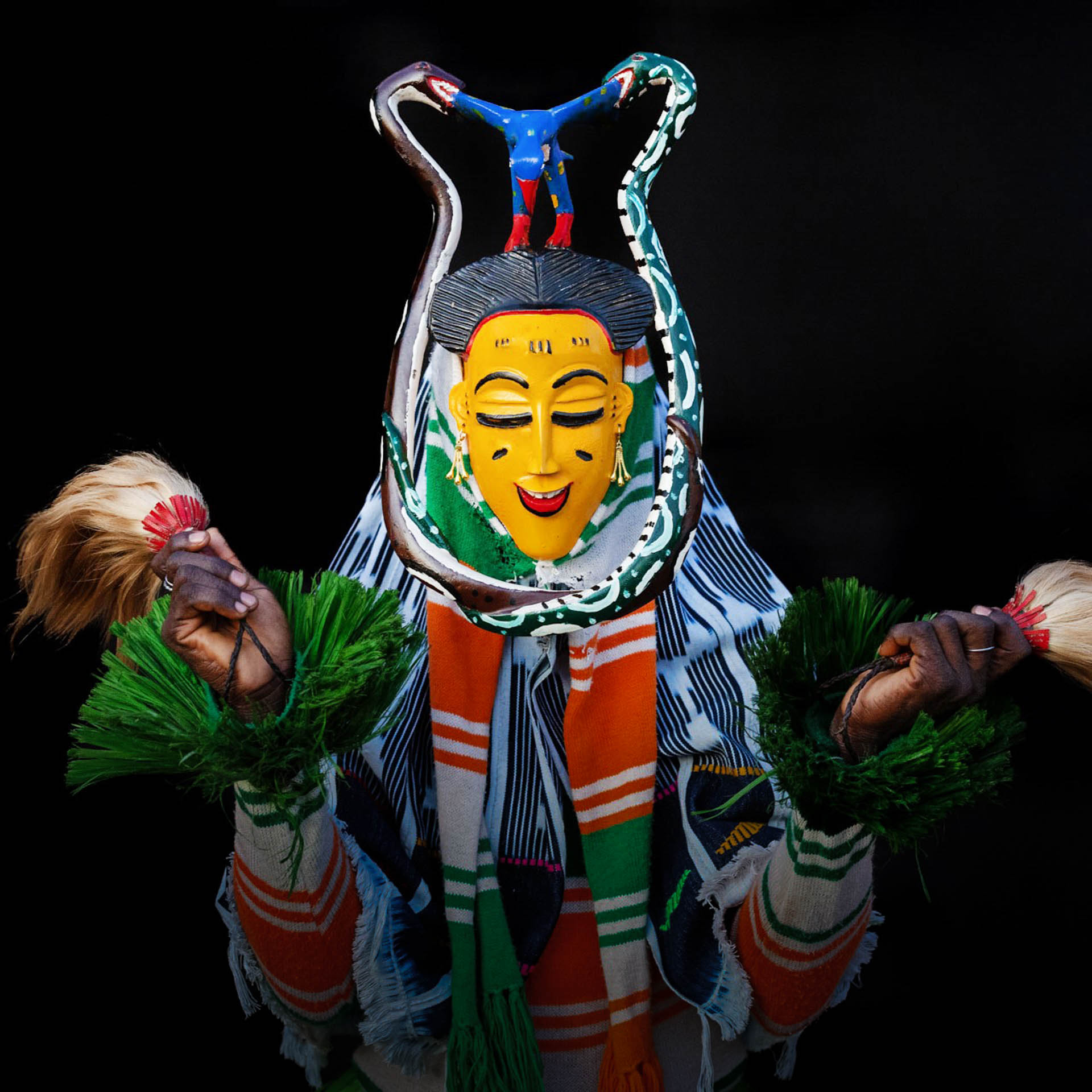
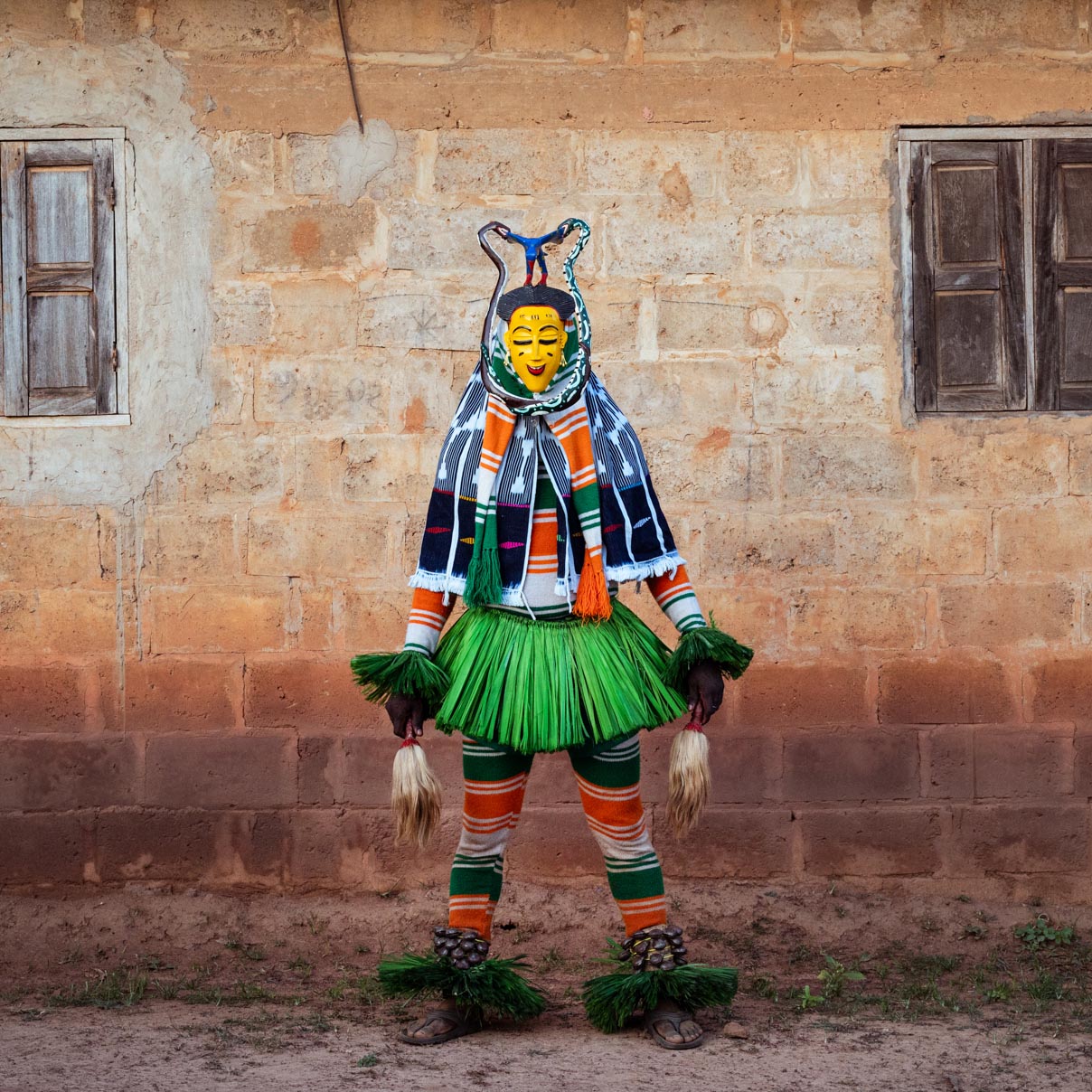
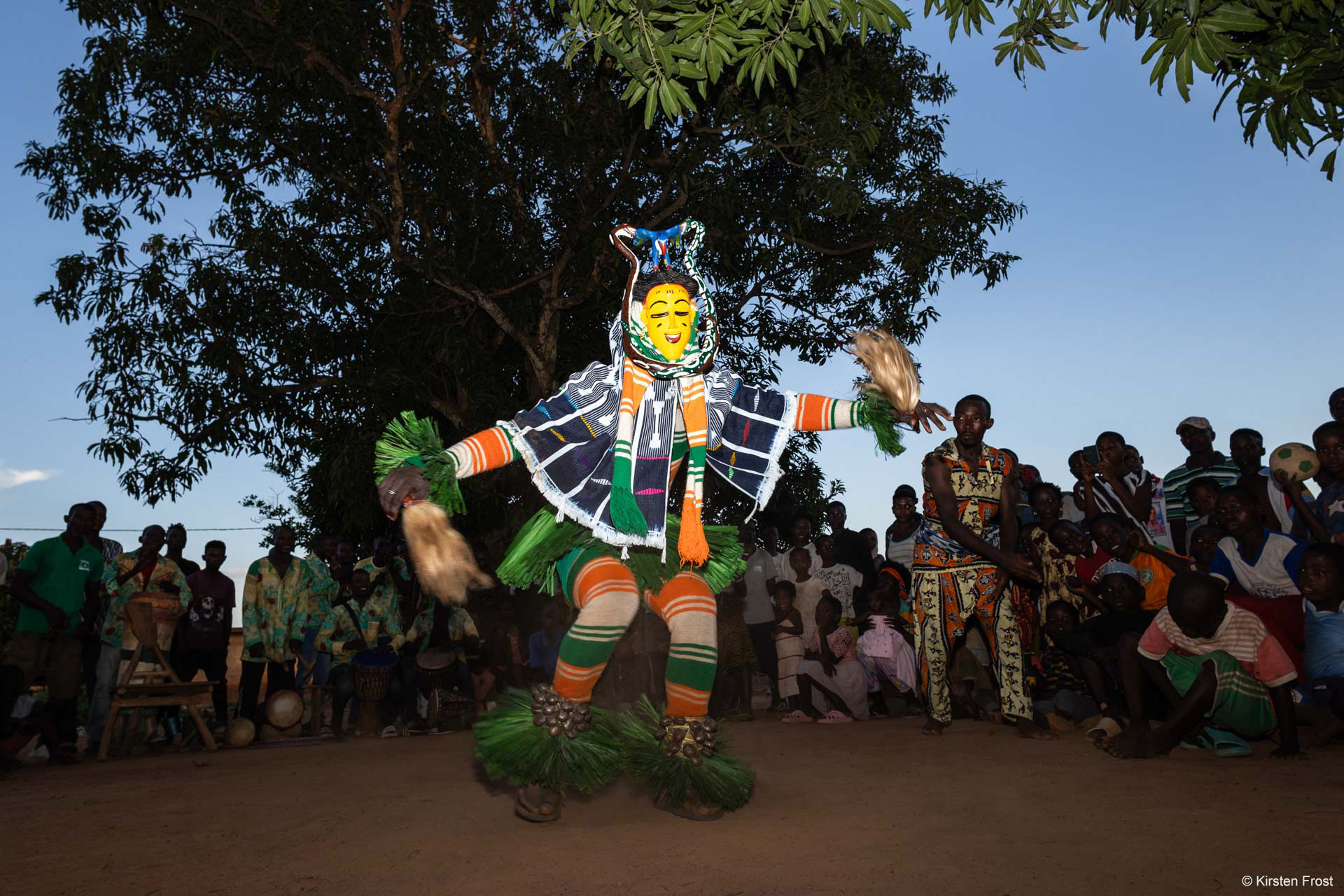
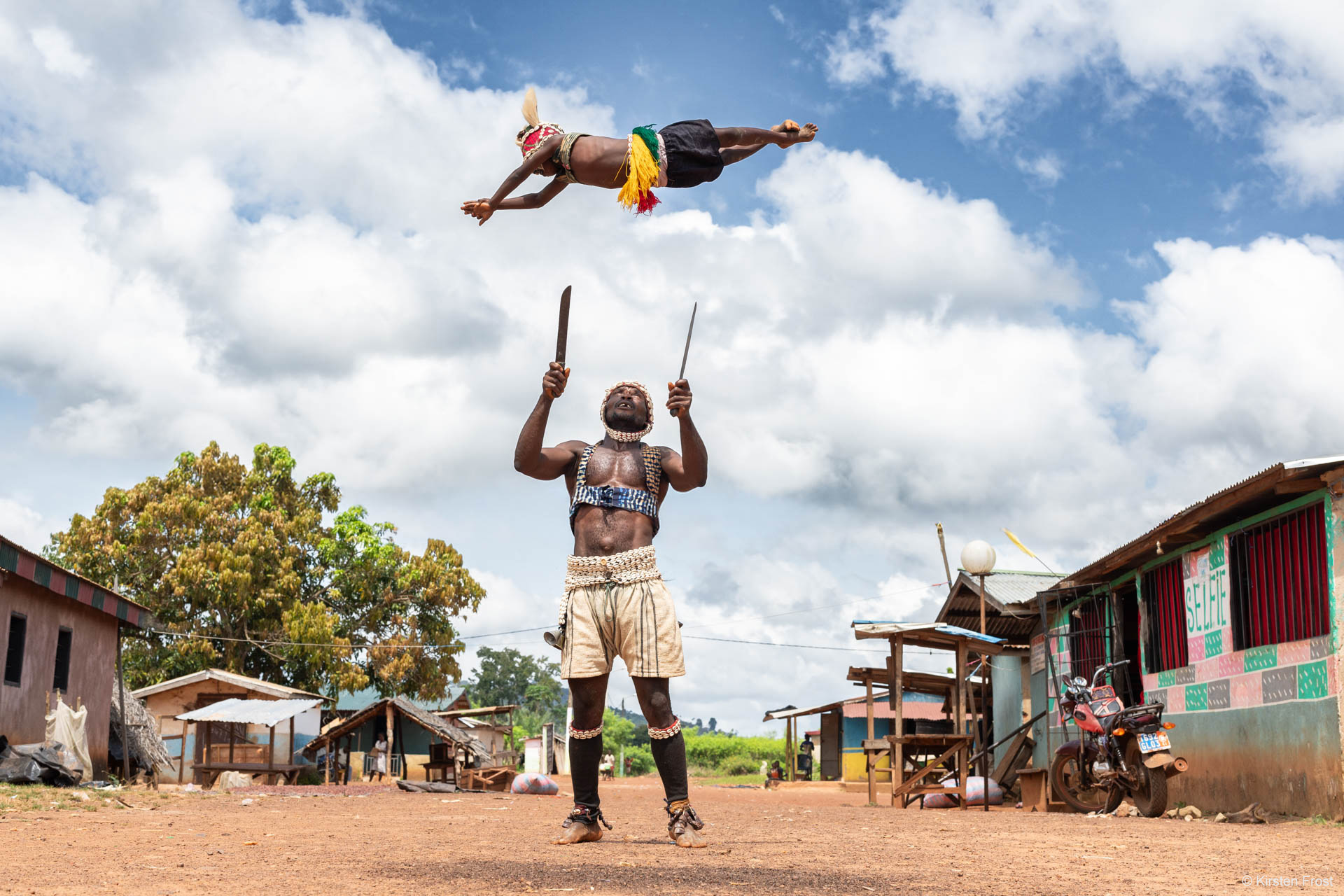
The Dance of the Jugglers also known as the Snake Dance of Ivory Coast was another top highlight. It is a ritual where participants enter into communion with nature and wild animals considered sacred, especially the snake. They are chosen according to their spiritual gifts and their similarity to the spirit of the snake. A thrilling highlight of the dance involves tossing young girls high into the air while holding knives, a daring act that showcases their agility and trust. Girls are especially important in this ritual. A group is chosen when they are very young by the ‘simbo,’ the community shaman. By performing this dance, it is believed that the village is protected by the animal spirits of the forest. The original name of this ritual can be translated as “The Snake Dance.” Despite the young girls being thrown up, down and around; there is much respect and gentle care shown by the leading male performer.
Ultimately, each tour in remote West Africa is unique with a healthy combination of planned scenarios and open-minded spontaneity which makes travel to these parts exciting and rewarding, both in terms of photography and the gift of life experiences few have ever imagined. Join FROST Photo Tours on this West African expedition to Côte d’Ivoire.
14 - 26 November 2026
21 October - 2 November 2027
Stay ahead of the adventure. Be the first to know about our newest destinations—sign up now!