
There was a sense of anticipation long before we ever arrived in Ethiopia for Timket. This is a festival we had been researching for a long time — studying images, understanding its significance, and imagining what it might feel like to finally witness it in person. The journey itself was part of the story after we had just experienced the Voodoo Festival.
Moving from West Africa to East Africa, from the Voodoo Festival in Benin to Timket in Ethiopia, created a powerful contrast in belief systems, rituals, and atmosphere. That shift was something I was deeply looking forward to — seeing how faith, tradition, and celebration are expressed so differently across the continent, yet remain equally meaningful.
Timket is not just visually striking; it is layered with history, spirituality, and communal meaning that you feel the moment you step into it. As a photographer, you are immediately aware that you are documenting something far deeper than a festival — you are stepping into a living tradition.
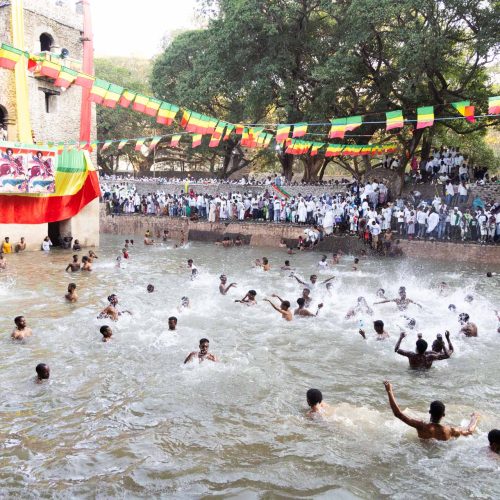
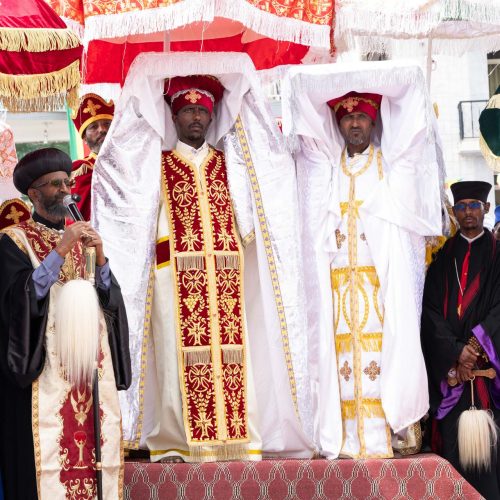
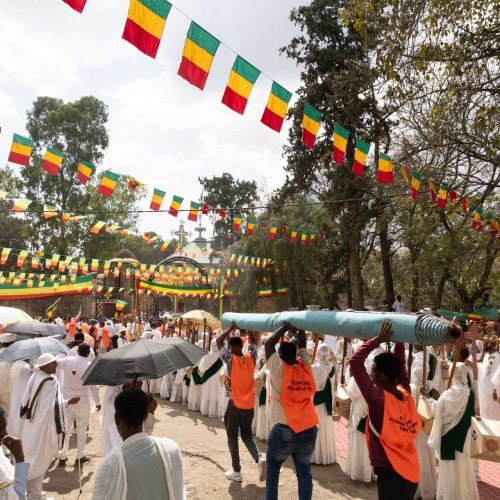
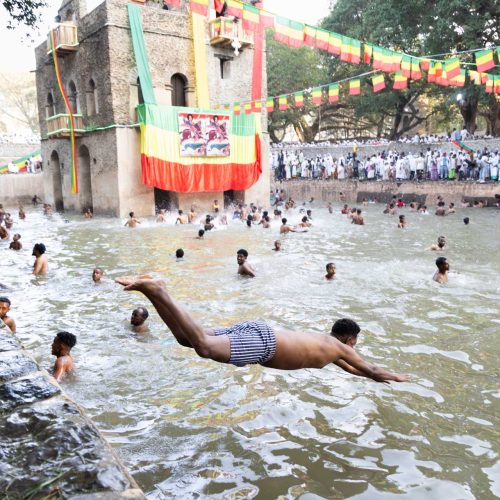
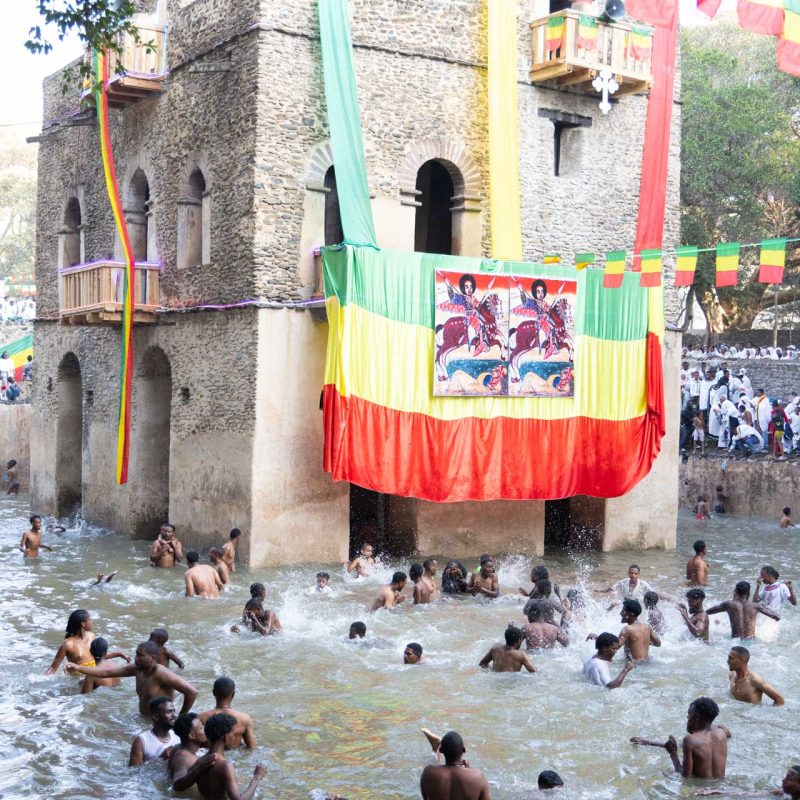
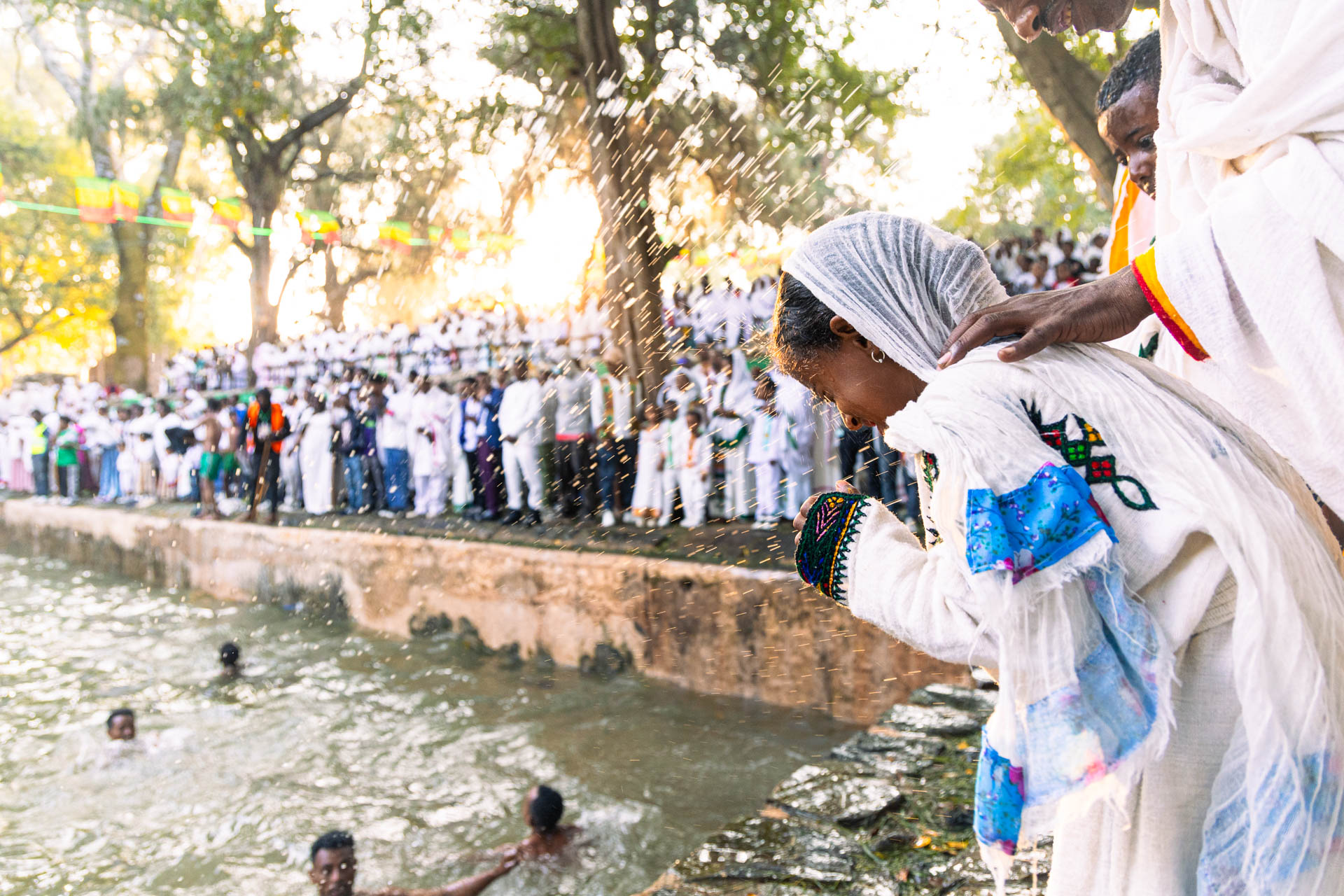
At the heart of Timket is the blessing of the water, where people immerse themselves as part of a baptism ritual. Photographing water brings natural energy – movement, reflections, emotion and at Timket this energy is constant. In Gondar, at the historic Fasilid Baths, the setting elevates everything. These grand stone pools carry centuries of significance, offering a far more powerful backdrop than modern recreations or symbolic water rituals.
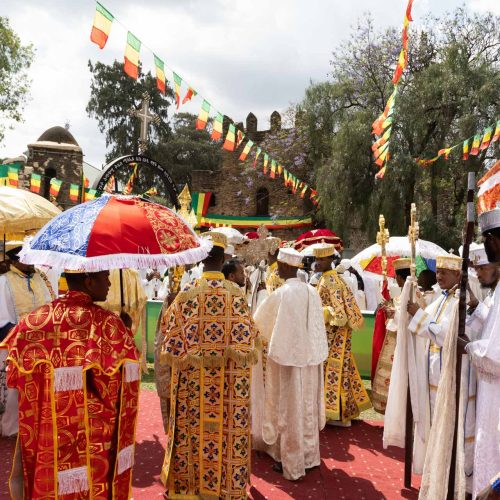
The visual language of the festival is incredibly rich. Traditional white garments, colourful umbrellas held by priests, and the rhythm of hymns filling the air all come together in a way that feels cinematic. It’s an environment that works beautifully for still images and video alike, where motion and sound add another emotional layer.
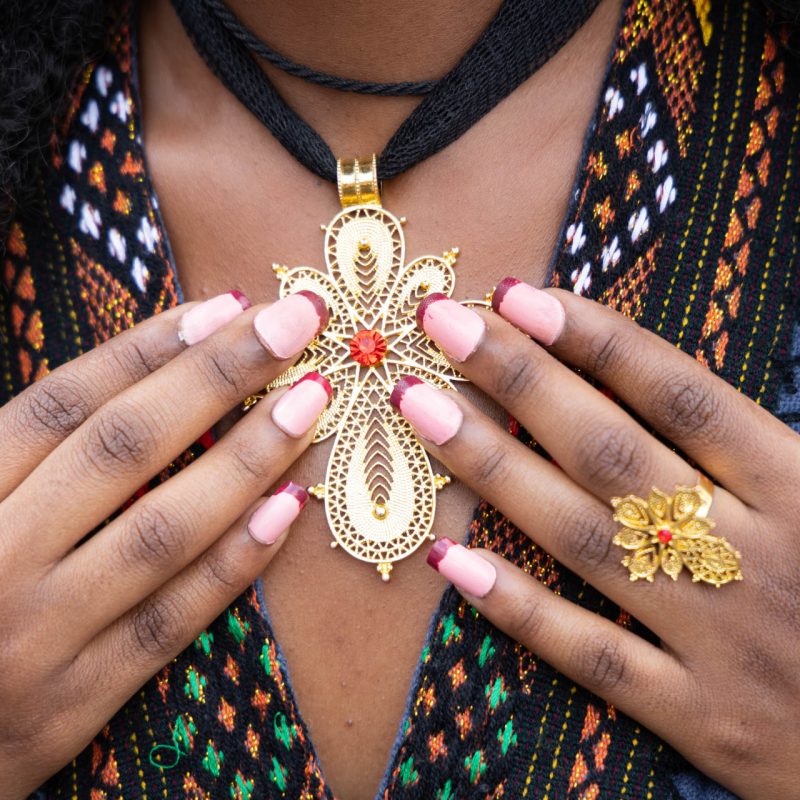
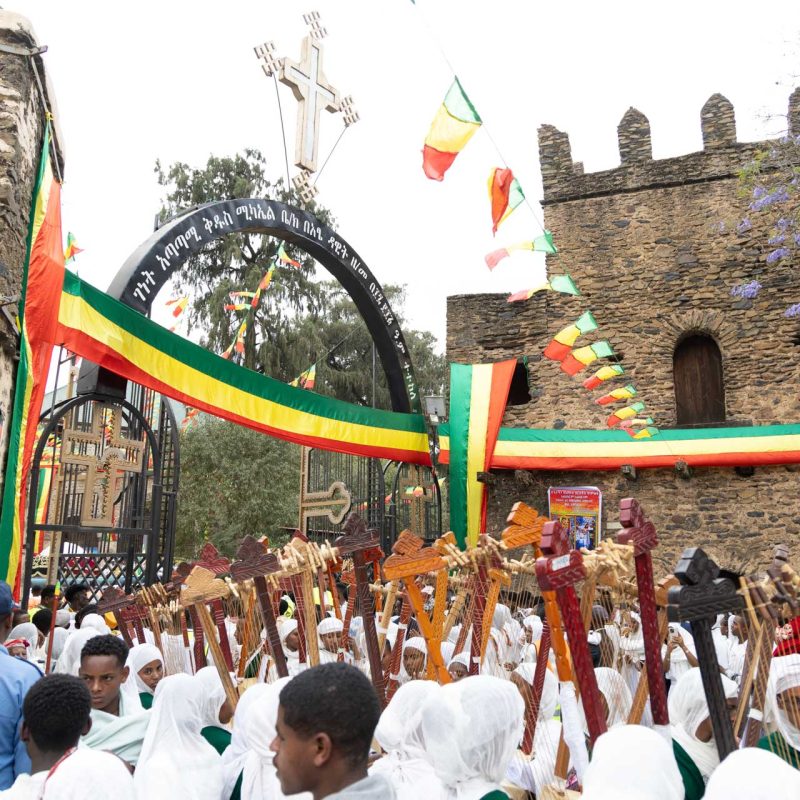
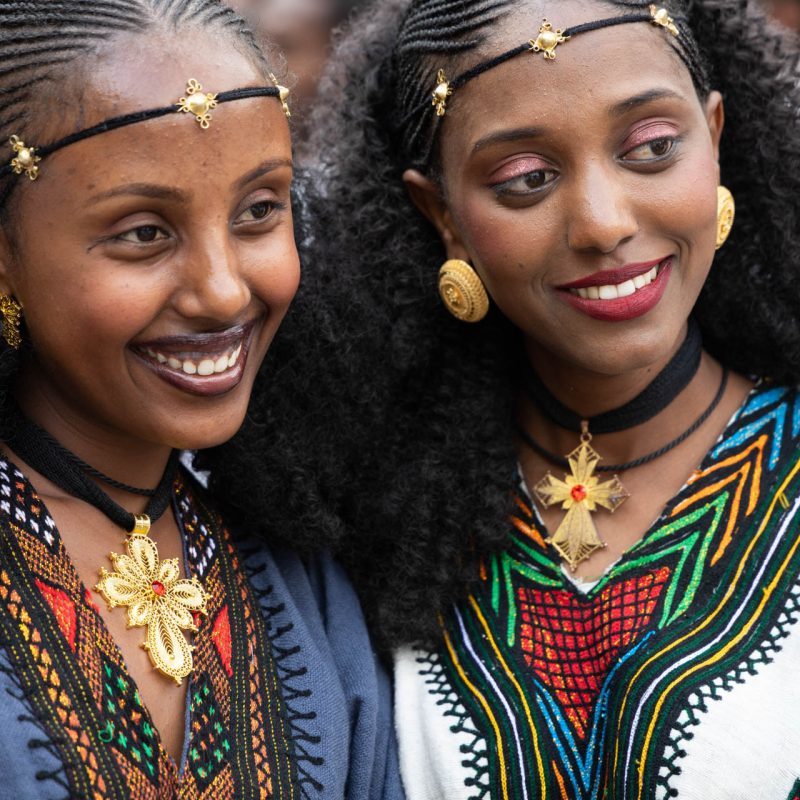
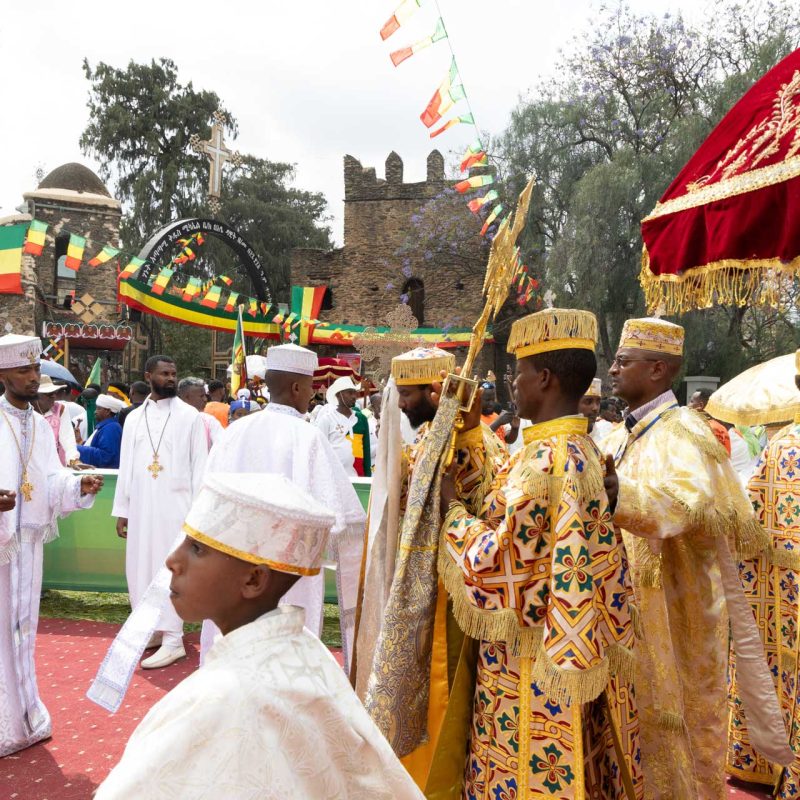
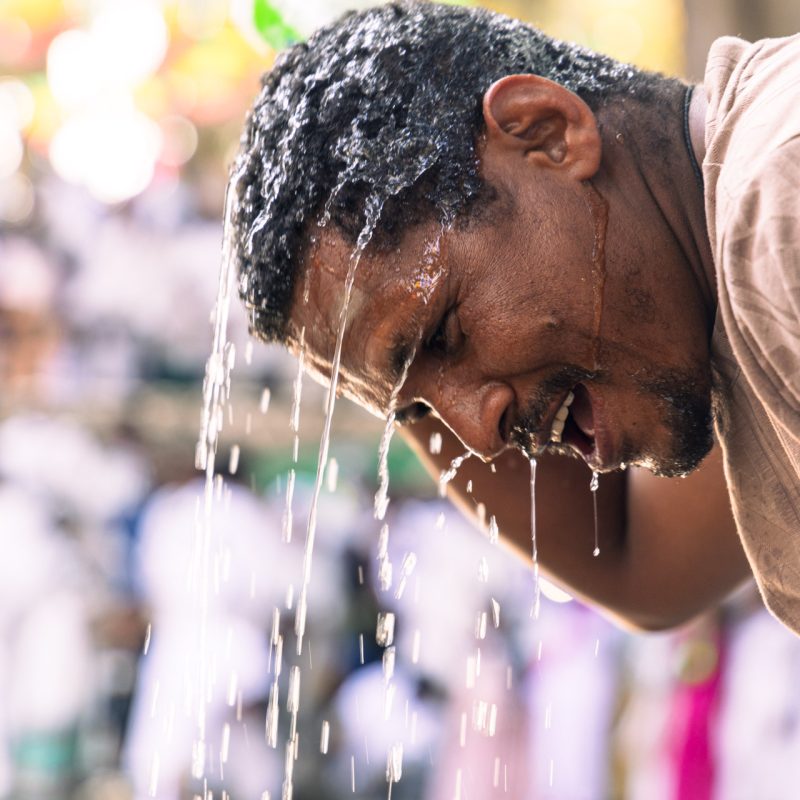
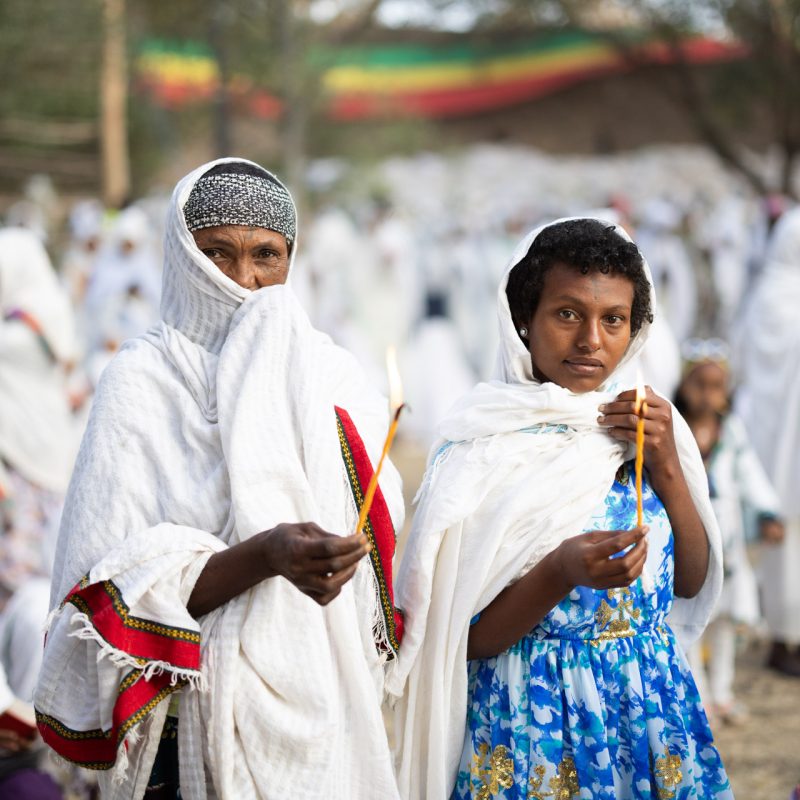
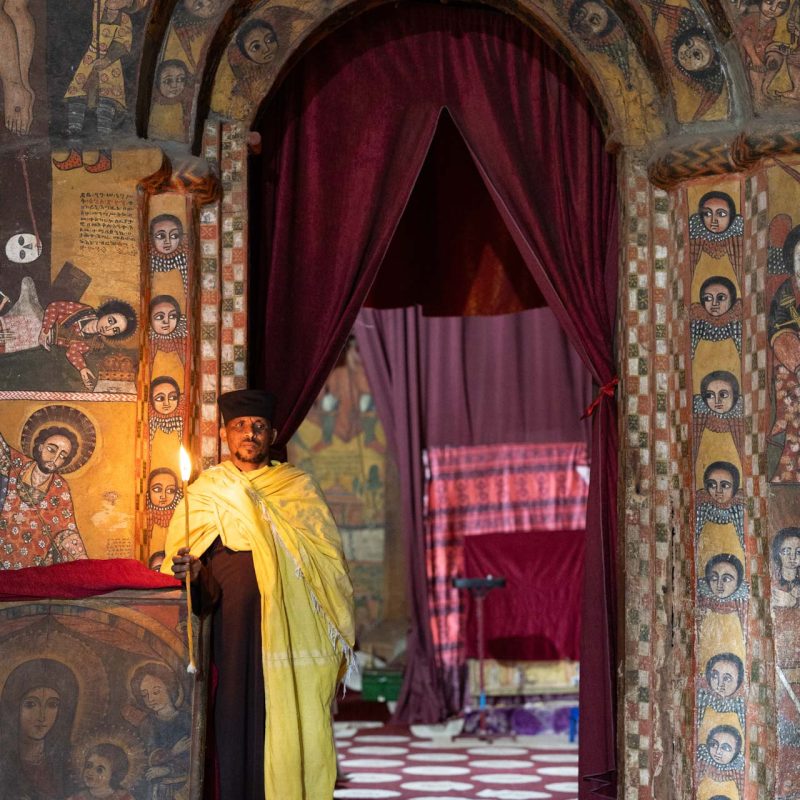
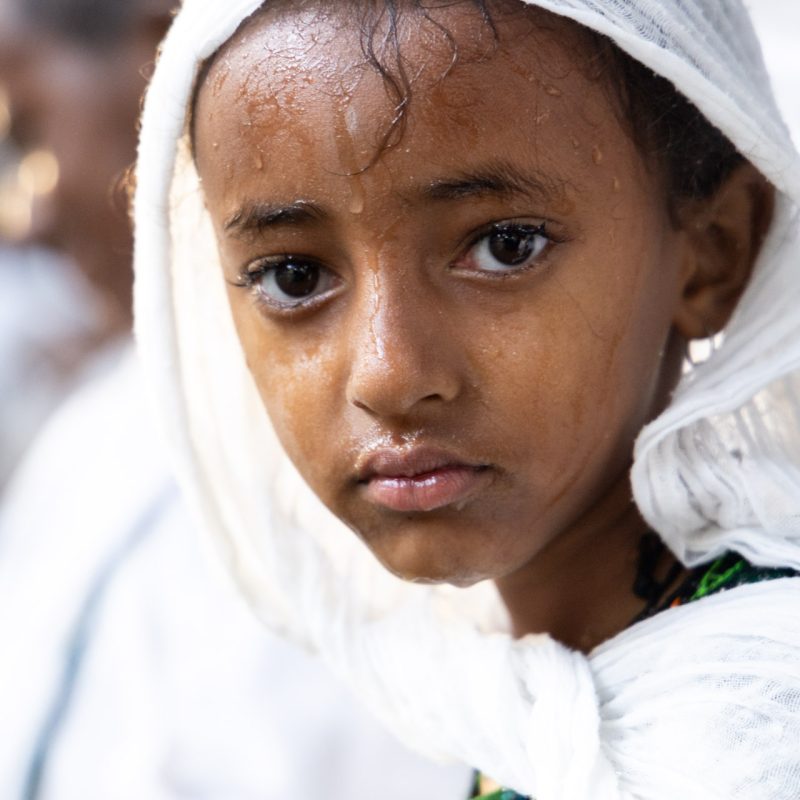
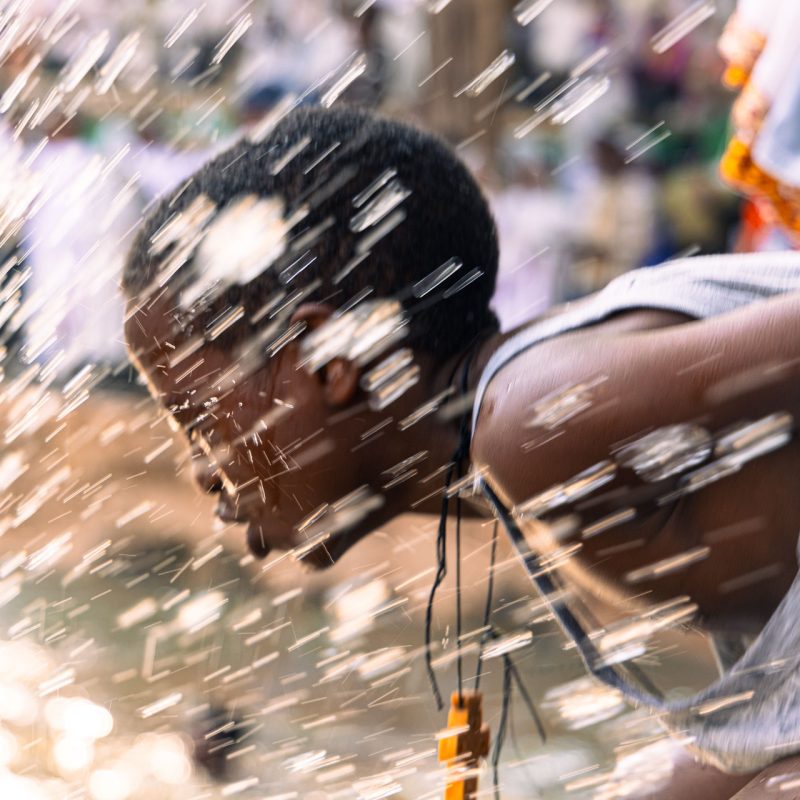
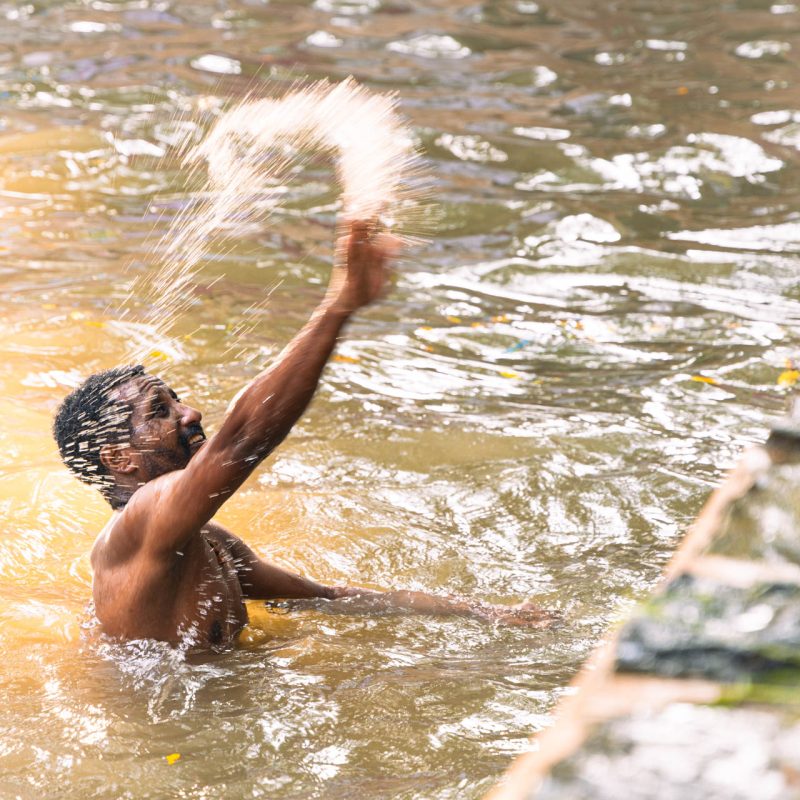
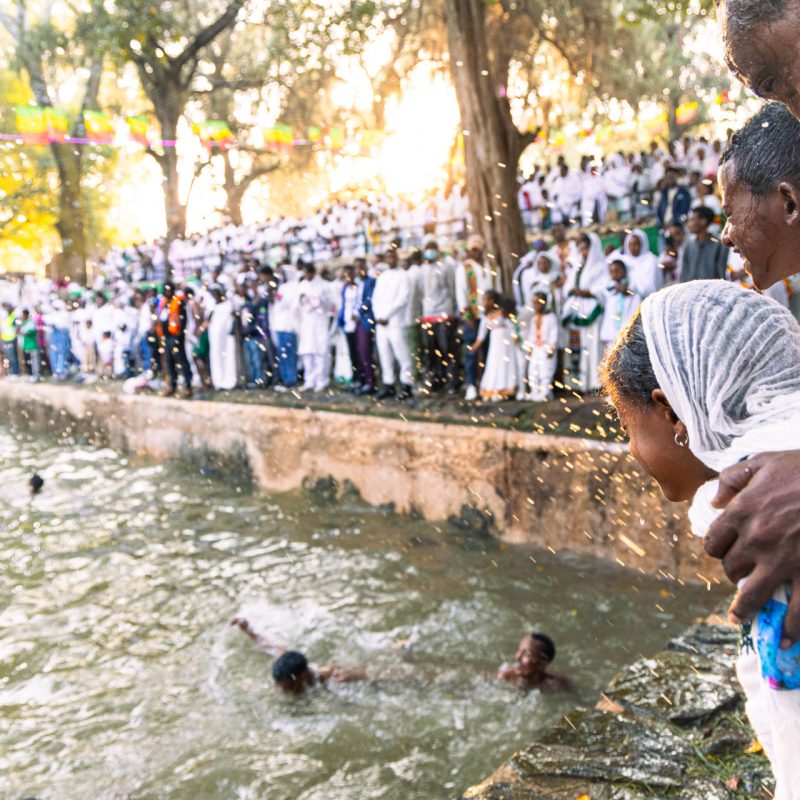
What stayed with me most was the sense of togetherness. People of all ages gathered in their hundreds, even thousands — men and women, young and old, all arriving with a shared purpose. During the procession leading up to the blessing of the water, the collective singing was overwhelming. Hearing thousands of voices rise together sent goosebumps through me and created a moment I won’t forget.
The following day offered a more intimate perspective. As the Ark of the Covenant was returned to St Michael’s Church, we spent time near the water watching families continue the ritual. Women gently passed their children into the hands of men in the pool, trusting them completely. Despite the movement and noise, there was an incredible calm — a sense of order, peace, and deep trust within the community.


From a photographic standpoint, capturing Timket meant finding balance. We began by photographing from a distance to show the scale of the event — the density of the crowd and the magnitude of the gathering. These wider scenes help communicate the grandeur and power of the festival.
By moving closer and immersing ourselves in the crowd, we could isolate quieter moments: a single face, a family, a fleeting exchange. Switching between wide-angle lenses and portrait or telephoto lenses allowed us to tell both stories — the collective experience and the personal one unfolding within it.


There are challenges that come with photographing an event of this scale. The most important moments happen in the early hours of the morning, requiring careful planning, early starts, and precise positioning. Security is tight, particularly with high-profile figures in attendance, and access to key areas is limited.
Through scouting, local knowledge, and a strong team on the ground, our group was well prepared. One of the biggest lessons from Timket is that the best photographs don’t always happen at the peak moment when everyone rushes in. Often, the quieter hours — later in the morning or the following day — offer more space, intimacy, and meaningful storytelling. That’s where we focus our photographic experience: creating respectful, immersive opportunities that go beyond the obvious.

Timket is one of those rare experiences that stays with you long after the crowds disperse and the water settles. It is visually powerful, yes, but its true impact lies in the way faith, ritual, and community are woven seamlessly into daily life. Photographing Timket is not about chasing spectacle; it is about slowing down, listening, and allowing moments of meaning to reveal themselves. It reminds us why we travel with cameras in the first place — to witness, to understand, and to connect.
If this journey resonates with you and you feel drawn to photographing Ethiopia’s depth, diversity, and living traditions, we would love to help shape that experience. Reach out to us, and we can design a bespoke photographic journey through Ethiopia that goes beyond a single festival — one that reflects your interests, pace, and creative goals.
For those wishing to extend their time in Ethiopia, the country offers extraordinary photographic opportunities that pair naturally with Timket:
Ethiopian Christmas (Genna)
Celebrated in January, Genna offers candlelit church services, white-clad worshippers, and deeply atmospheric night rituals. It is a quieter, more contemplative counterpart to Timket and a powerful way to photograph faith and devotion in intimate settings.
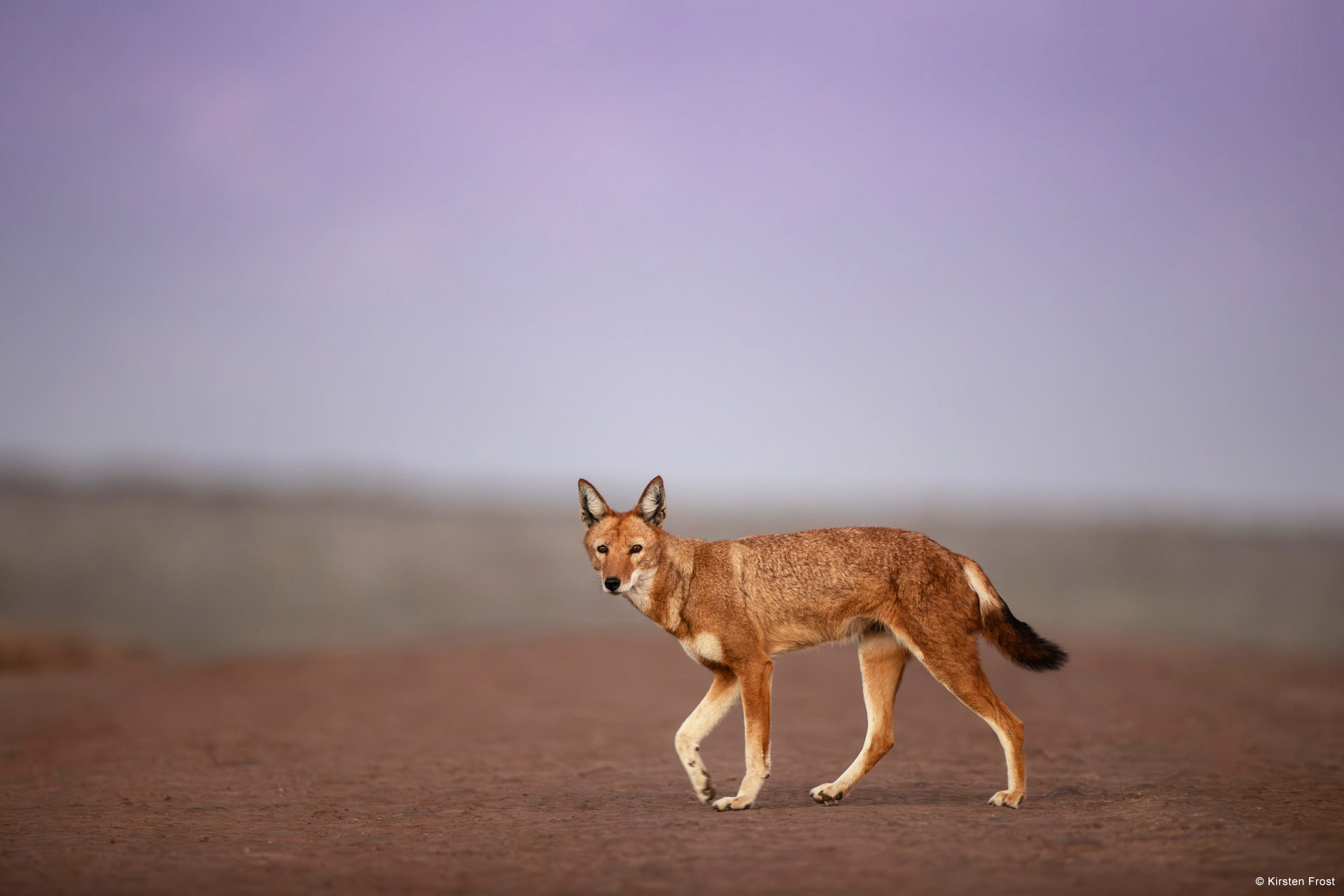
Endemic Wildlife
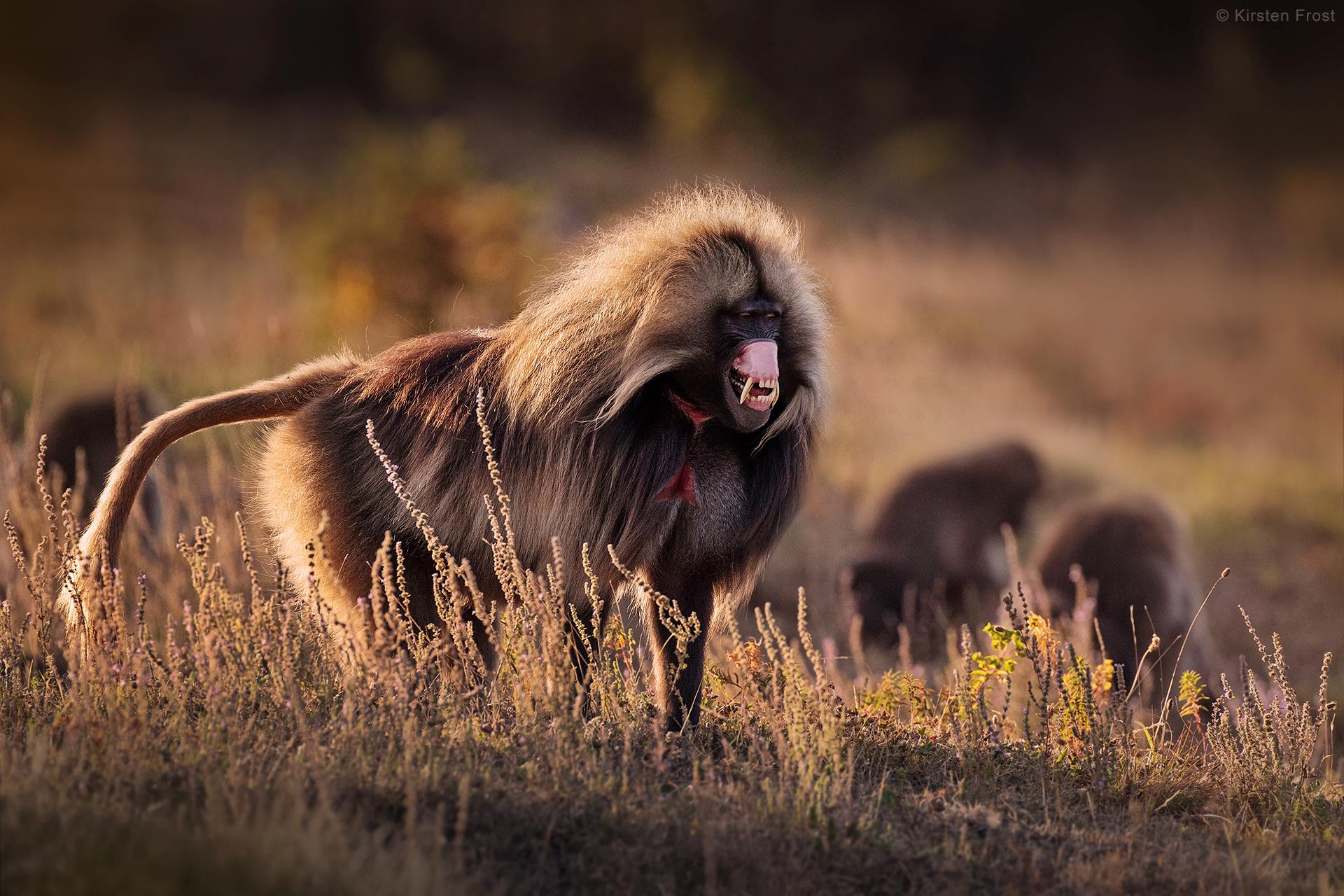
High in the dramatic landscapes of the Simien Mountains, geladas live in vast troops against sheer escarpments and open plateaus. Photographing them combines wildlife, behaviour, and epic scenery — a striking contrast to your cultural portfolio of images.
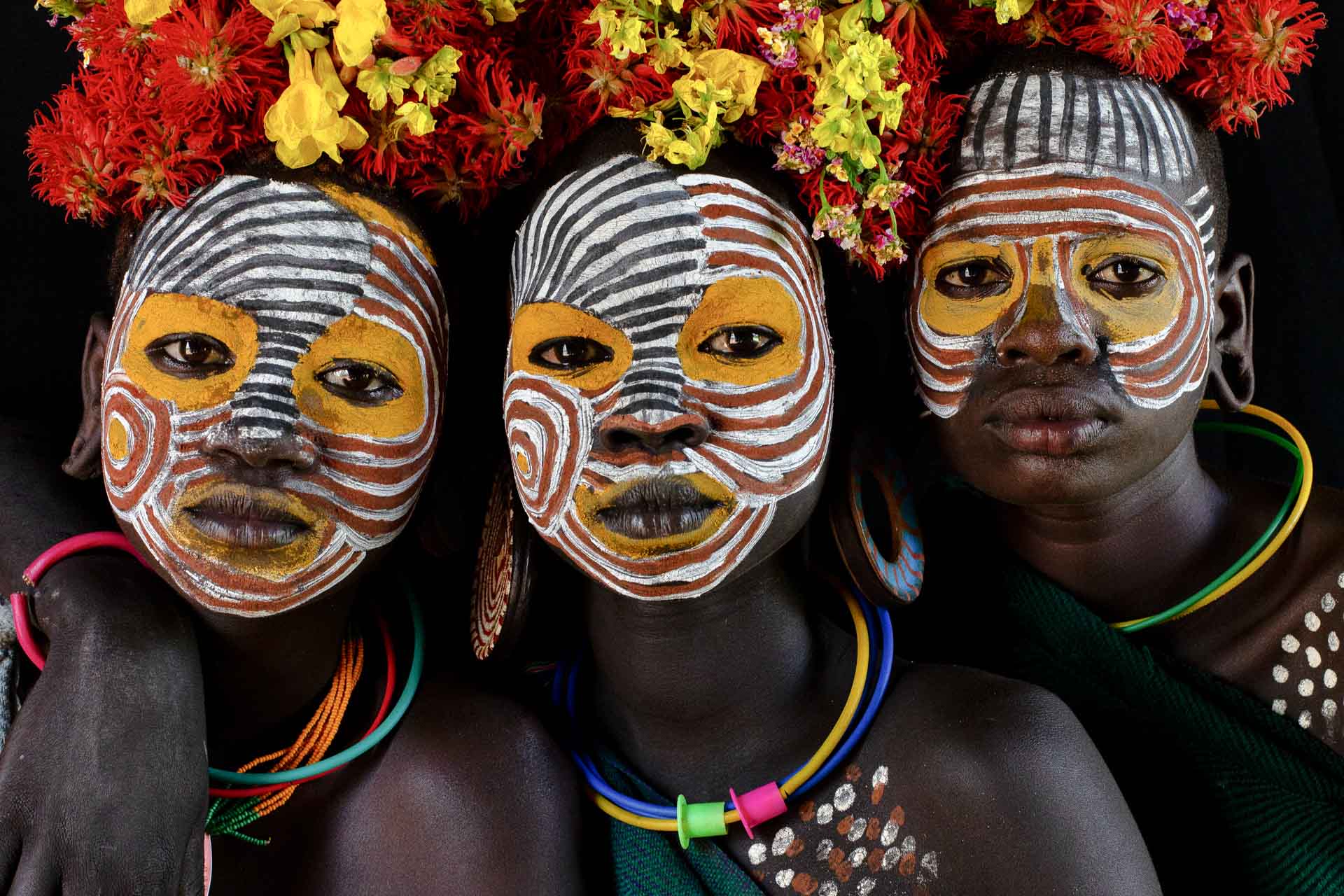
Omo Valley Tribes
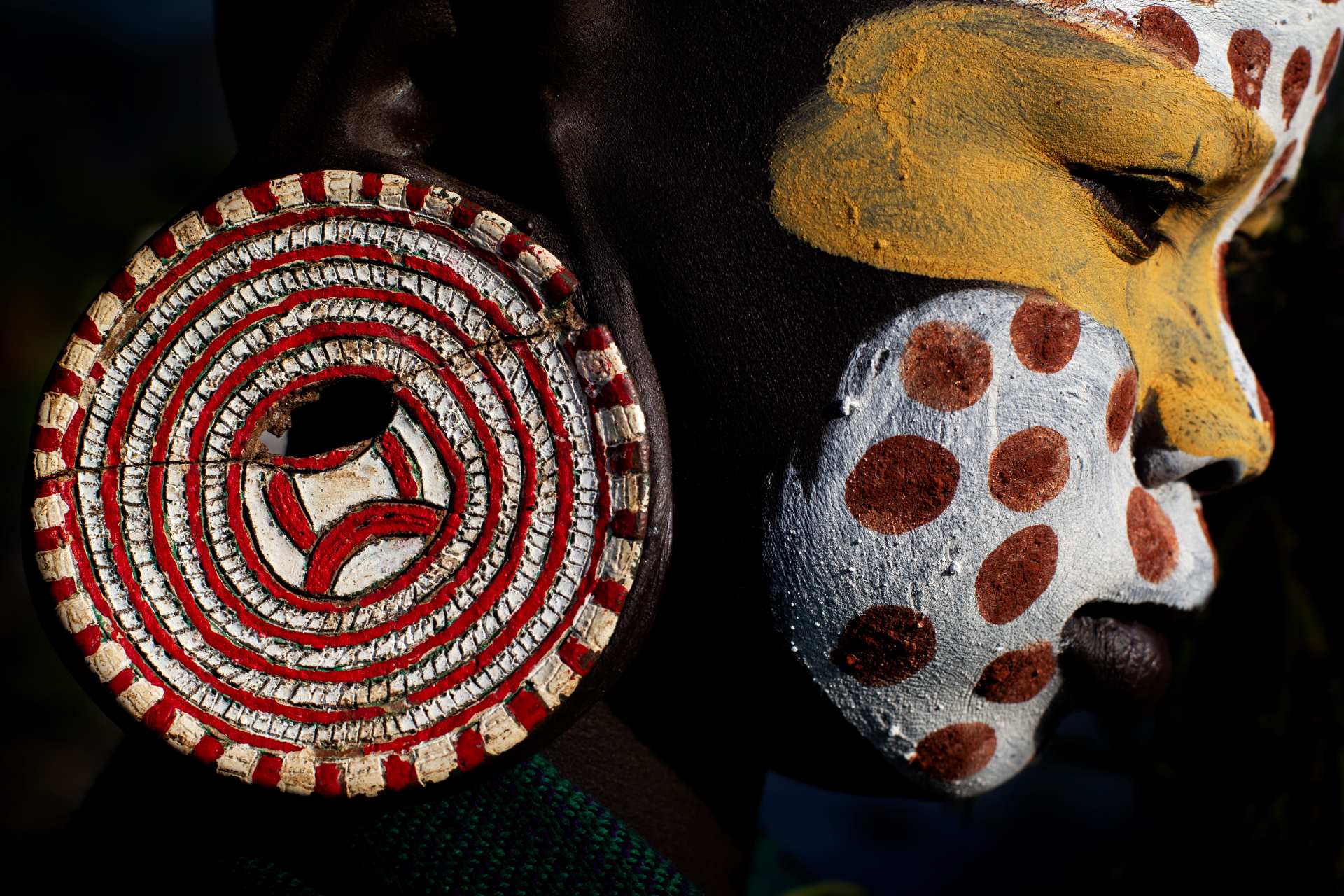
The Omo Valley is home to some of Ethiopia’s most culturally distinct communities. Time spent here allows for slower, more more stylised portraiture and storytelling, focusing on identity, adornment, and daily life.
Stay ahead of the adventure. Be the first to know about our newest destinations—sign up now!