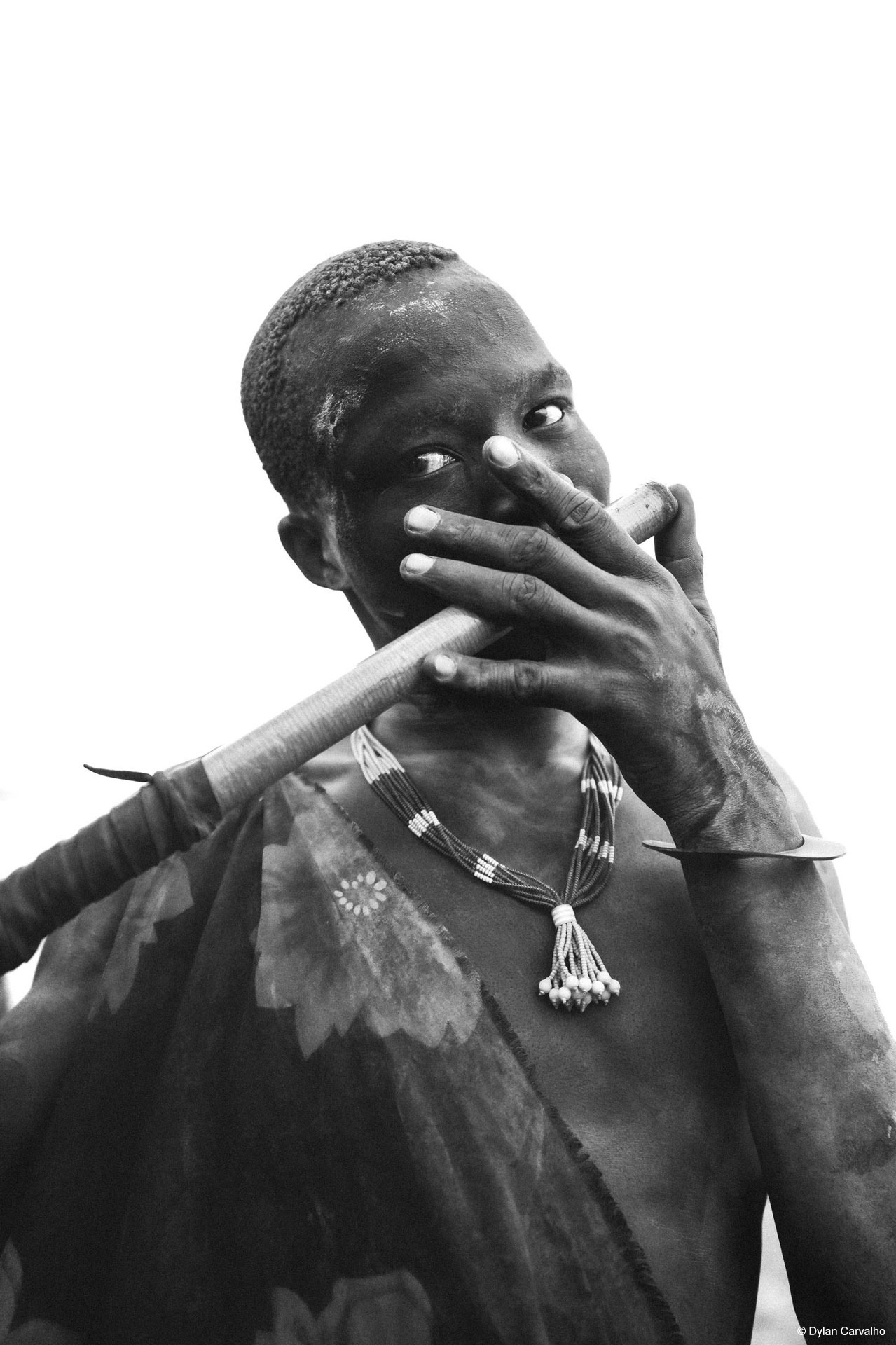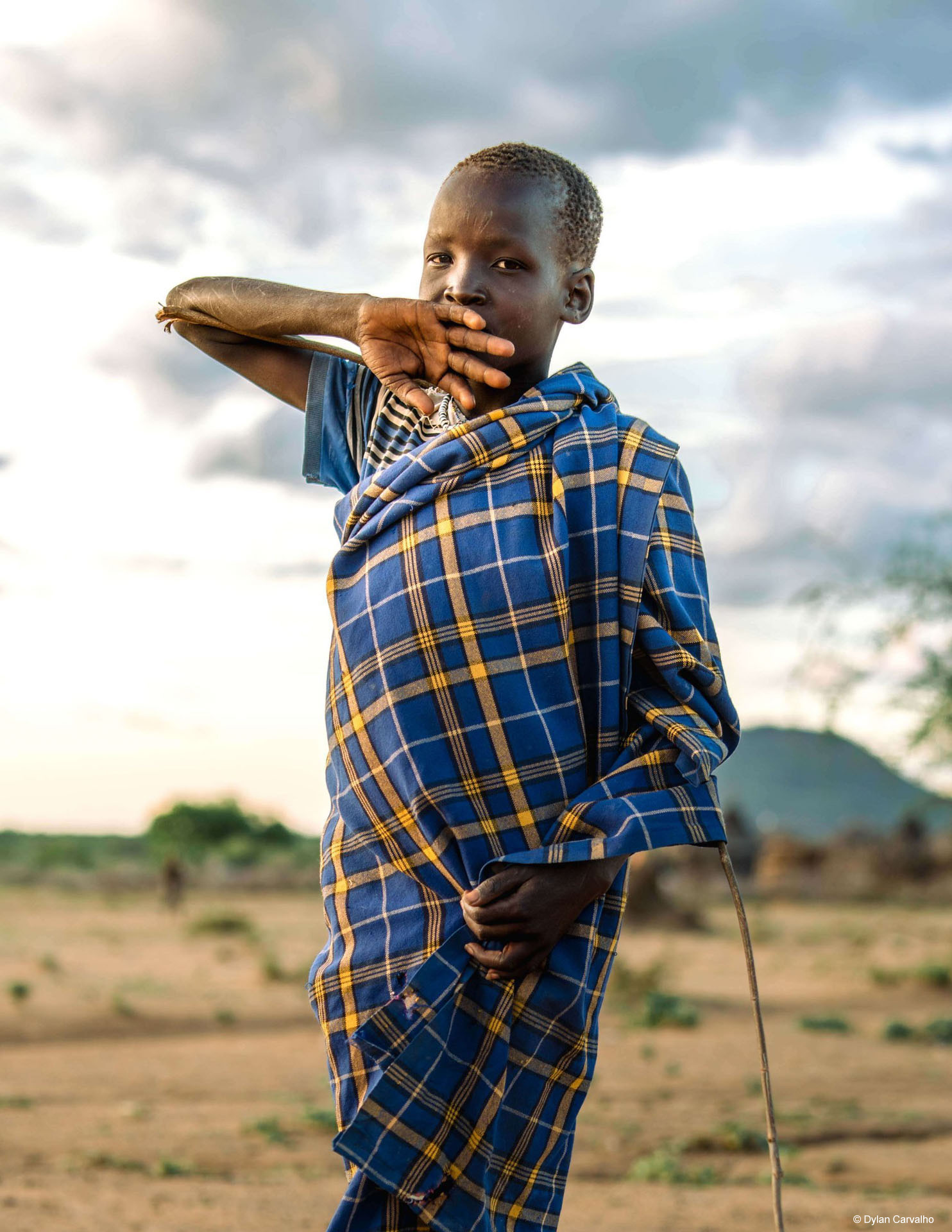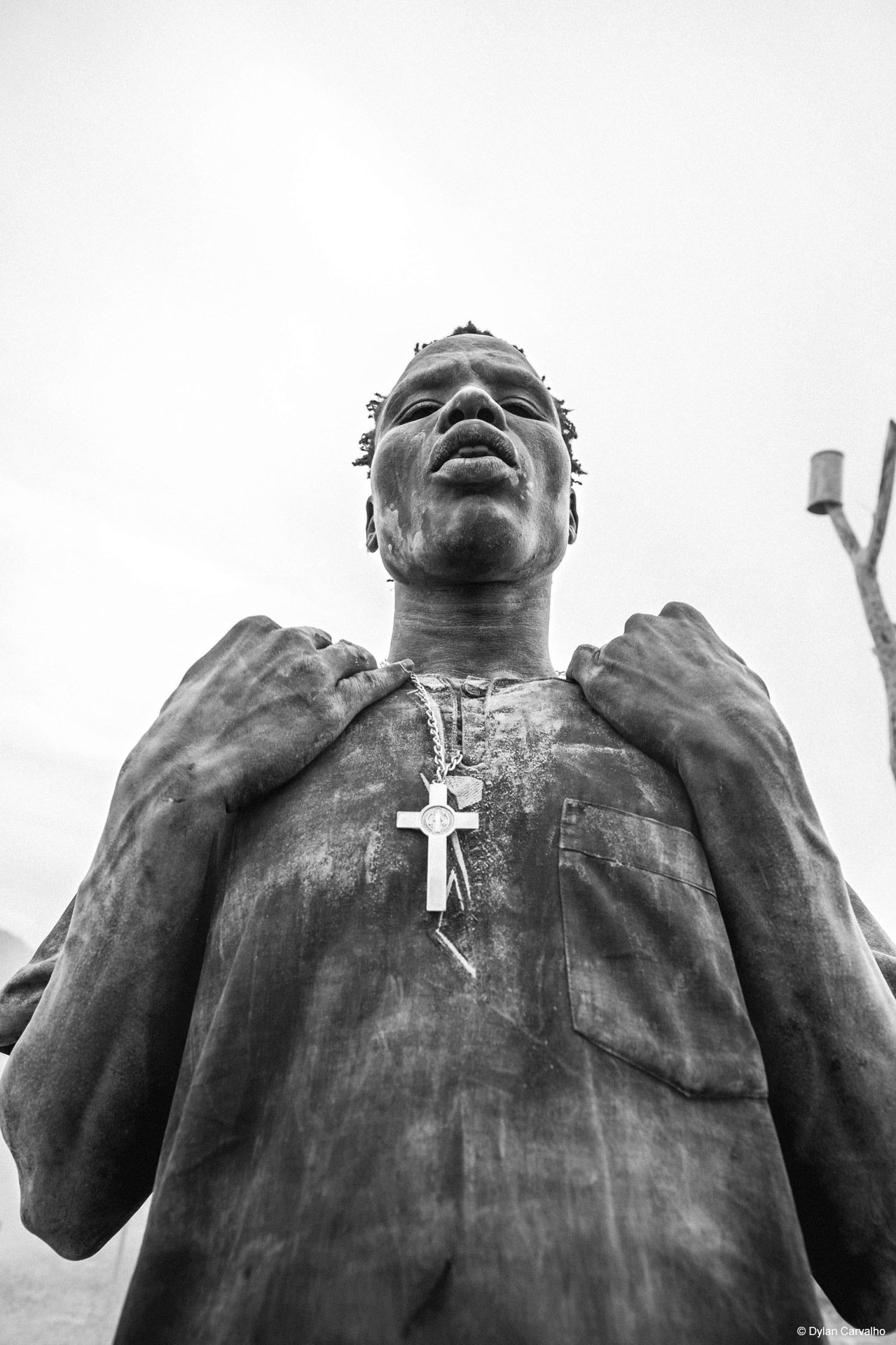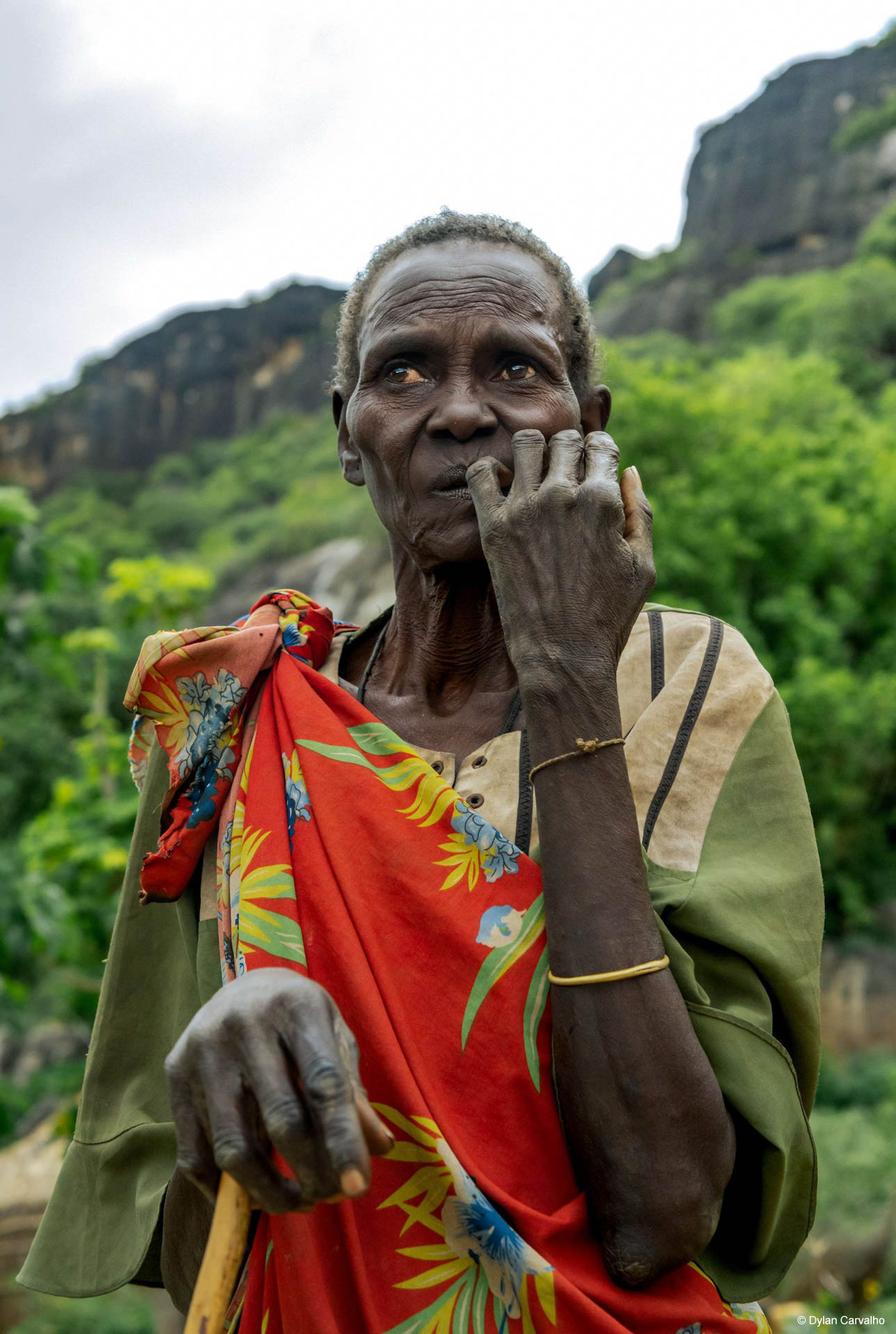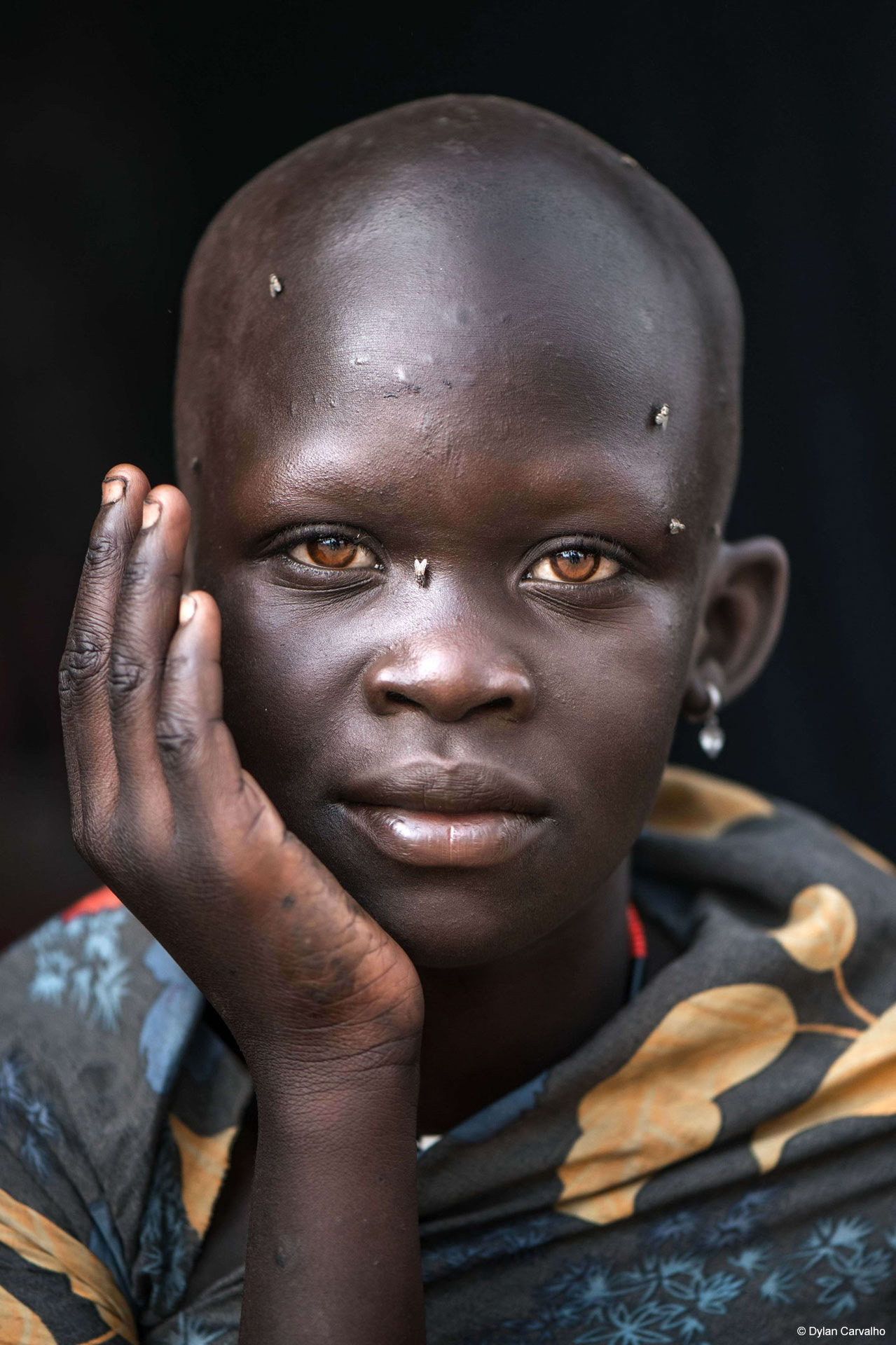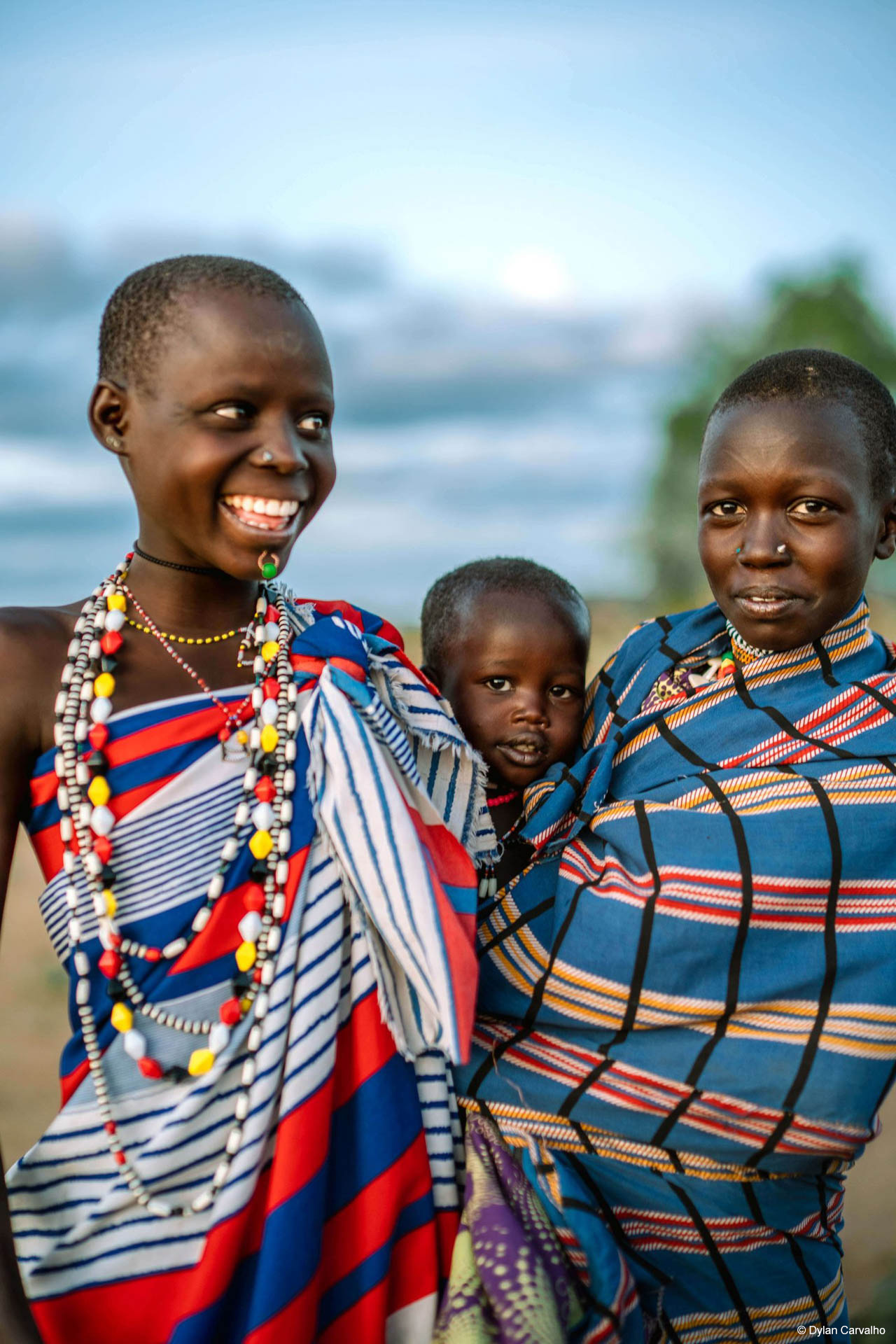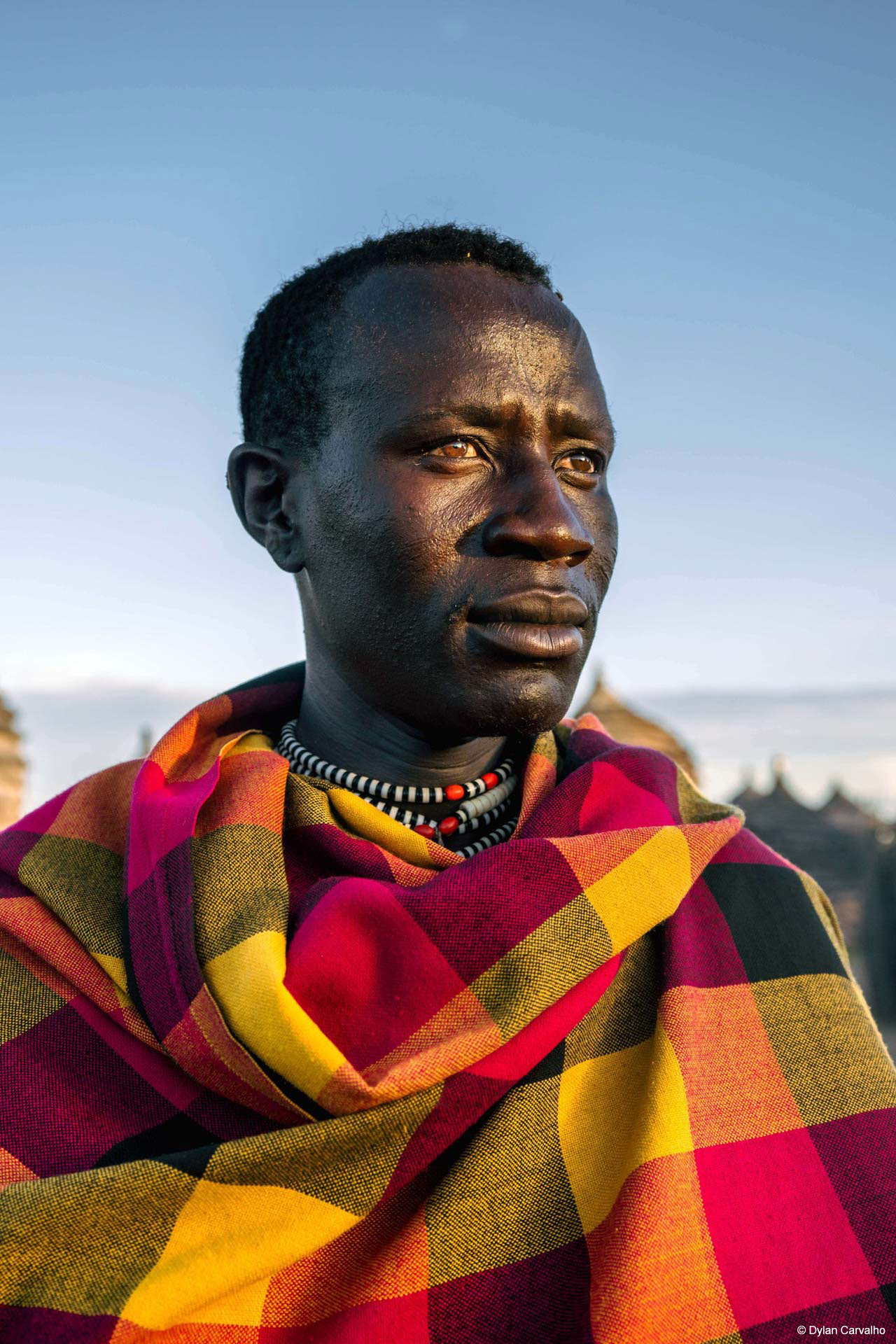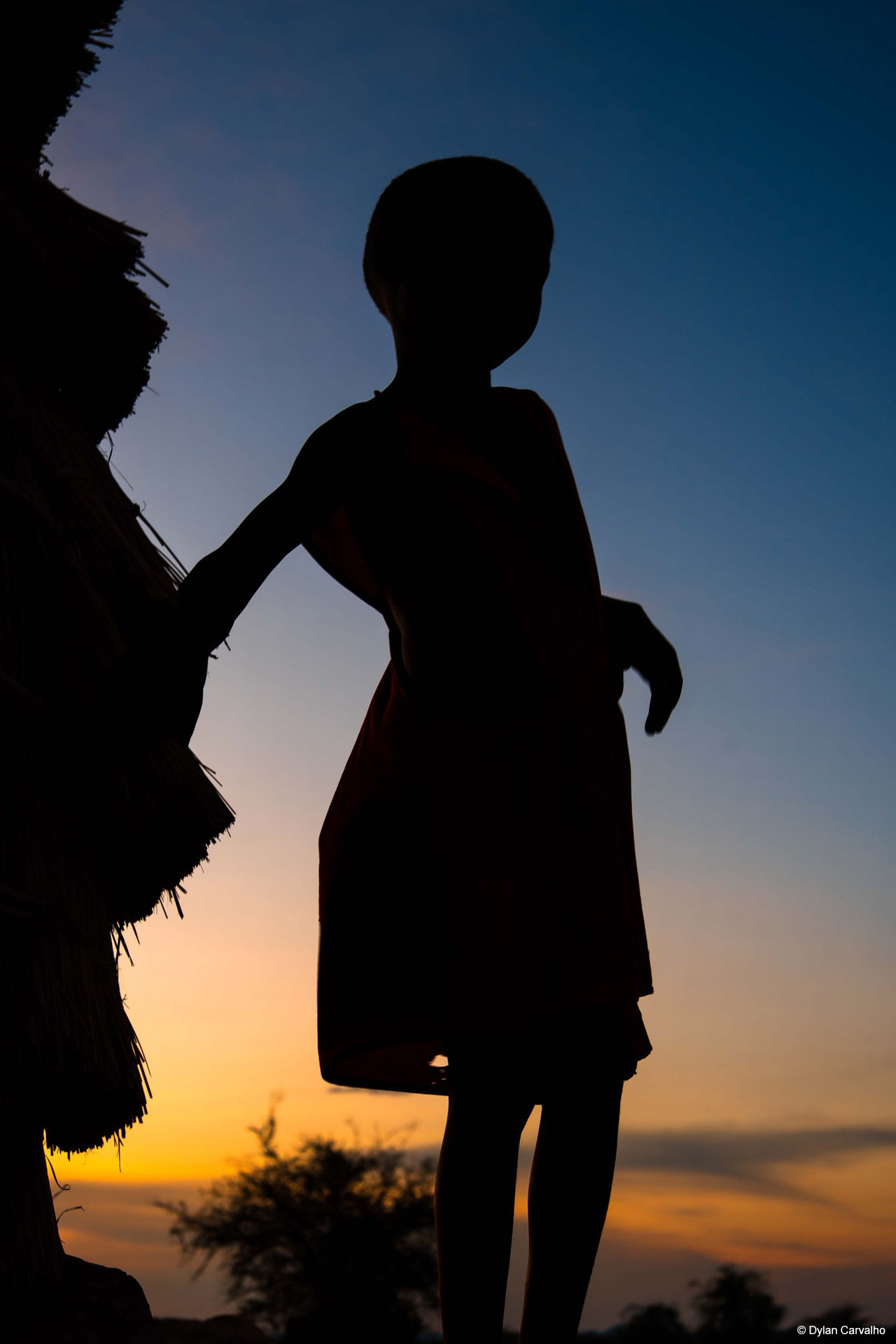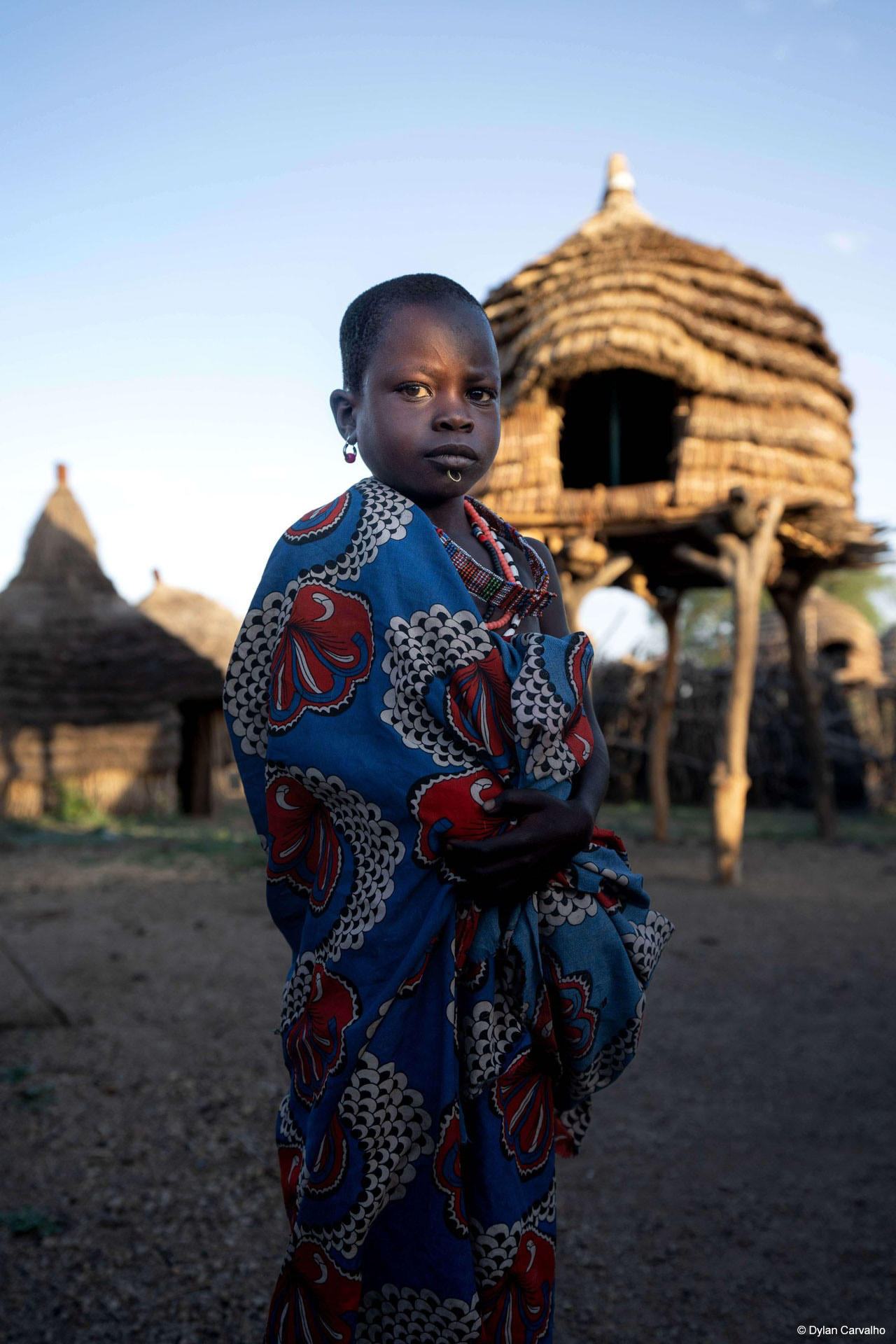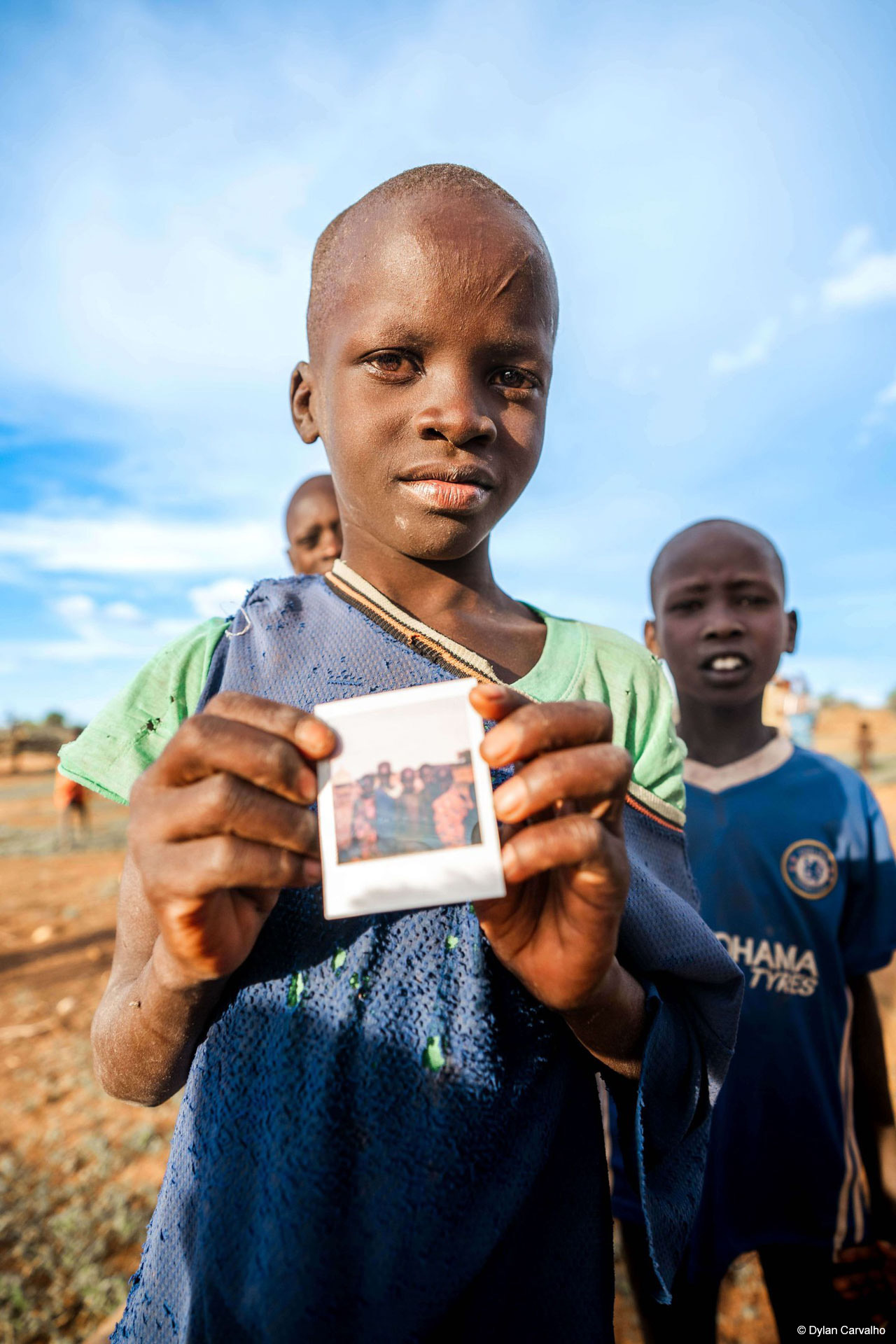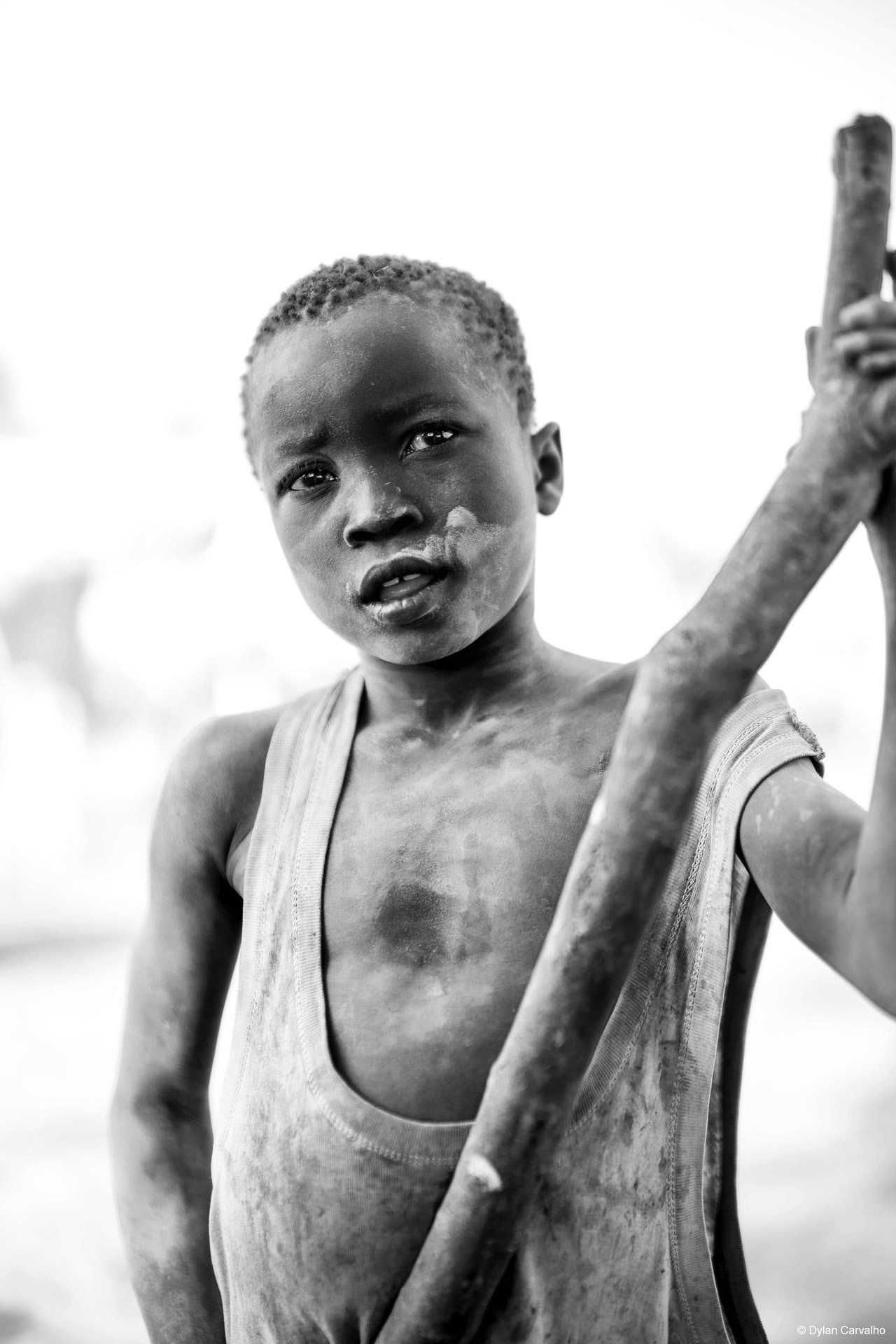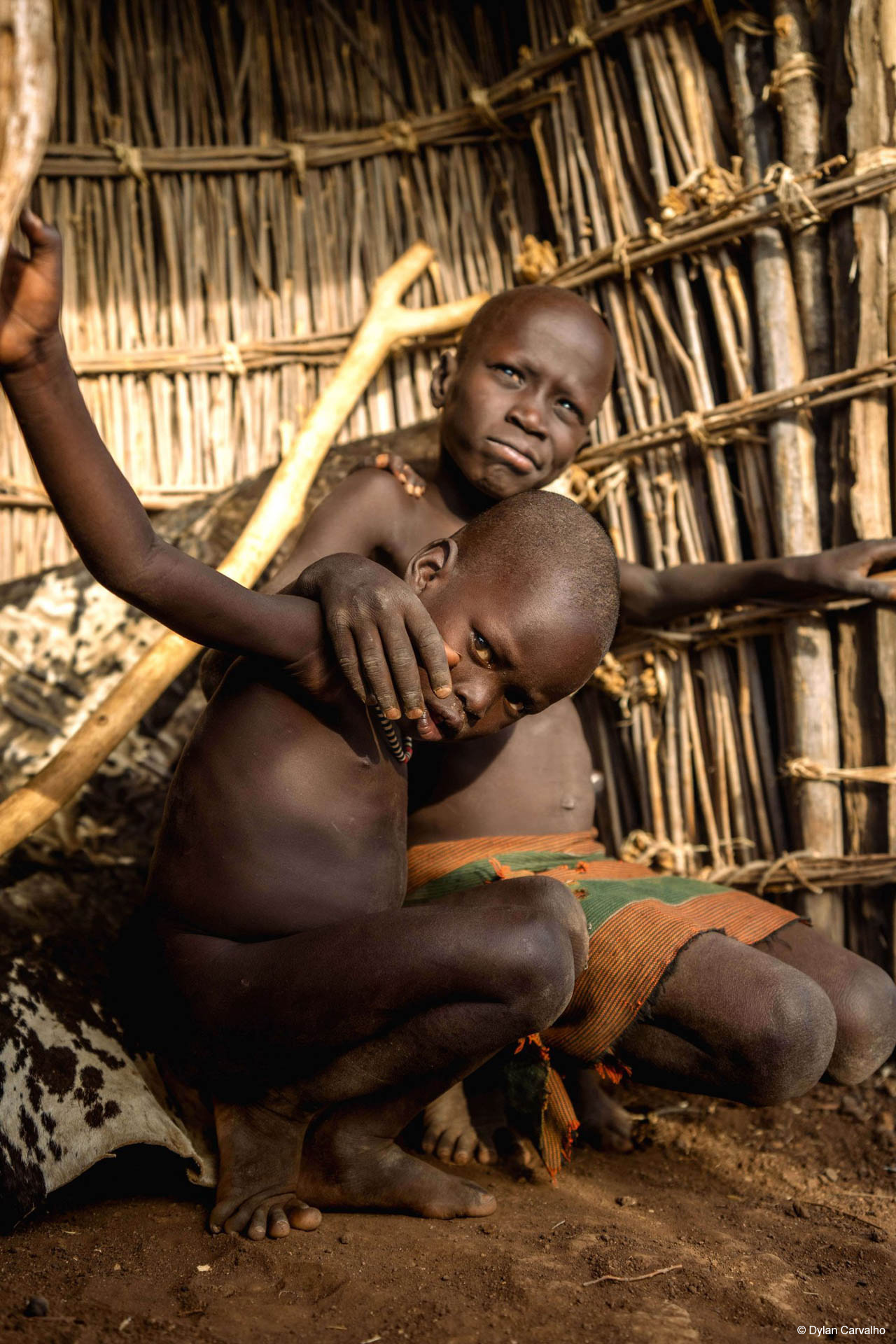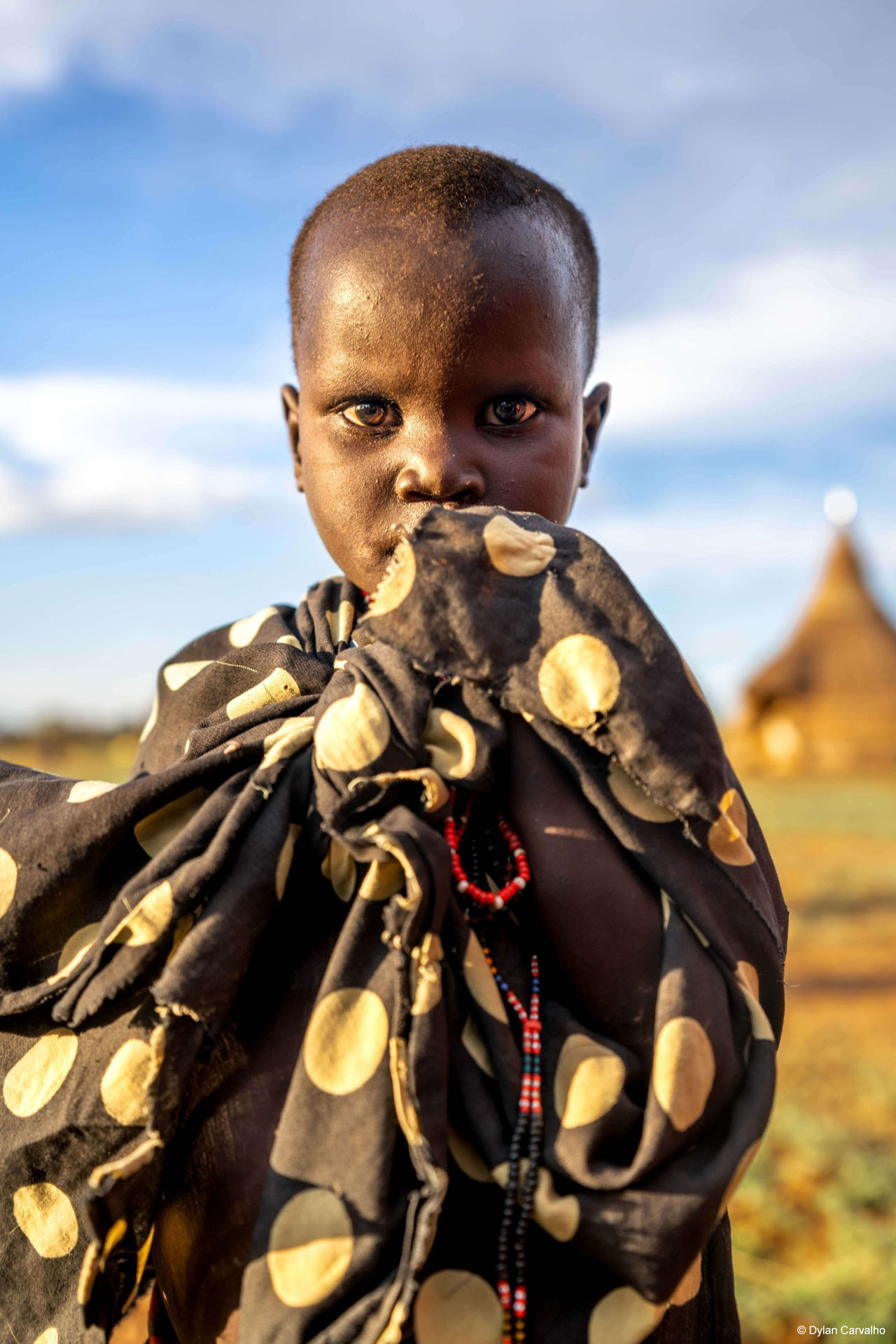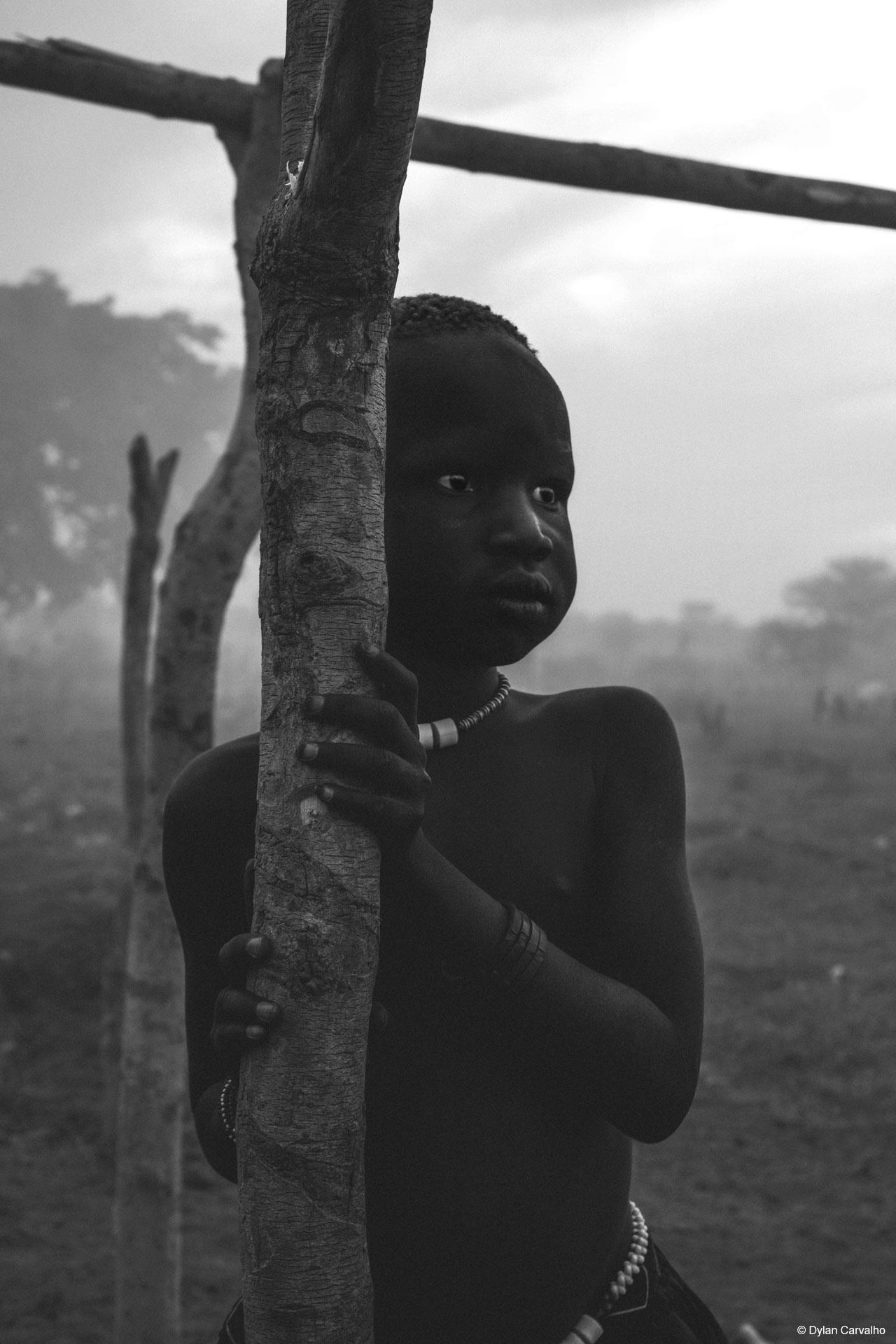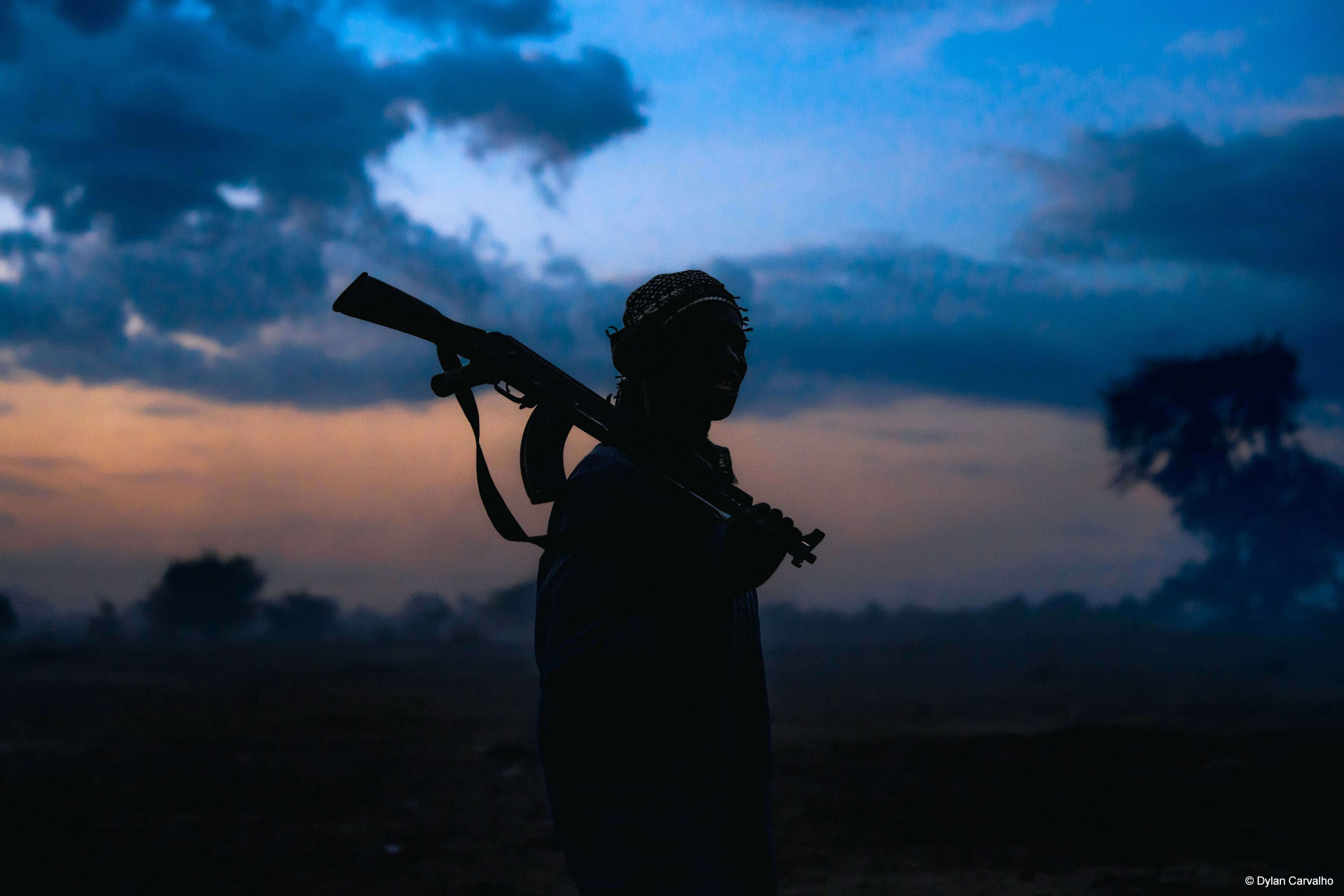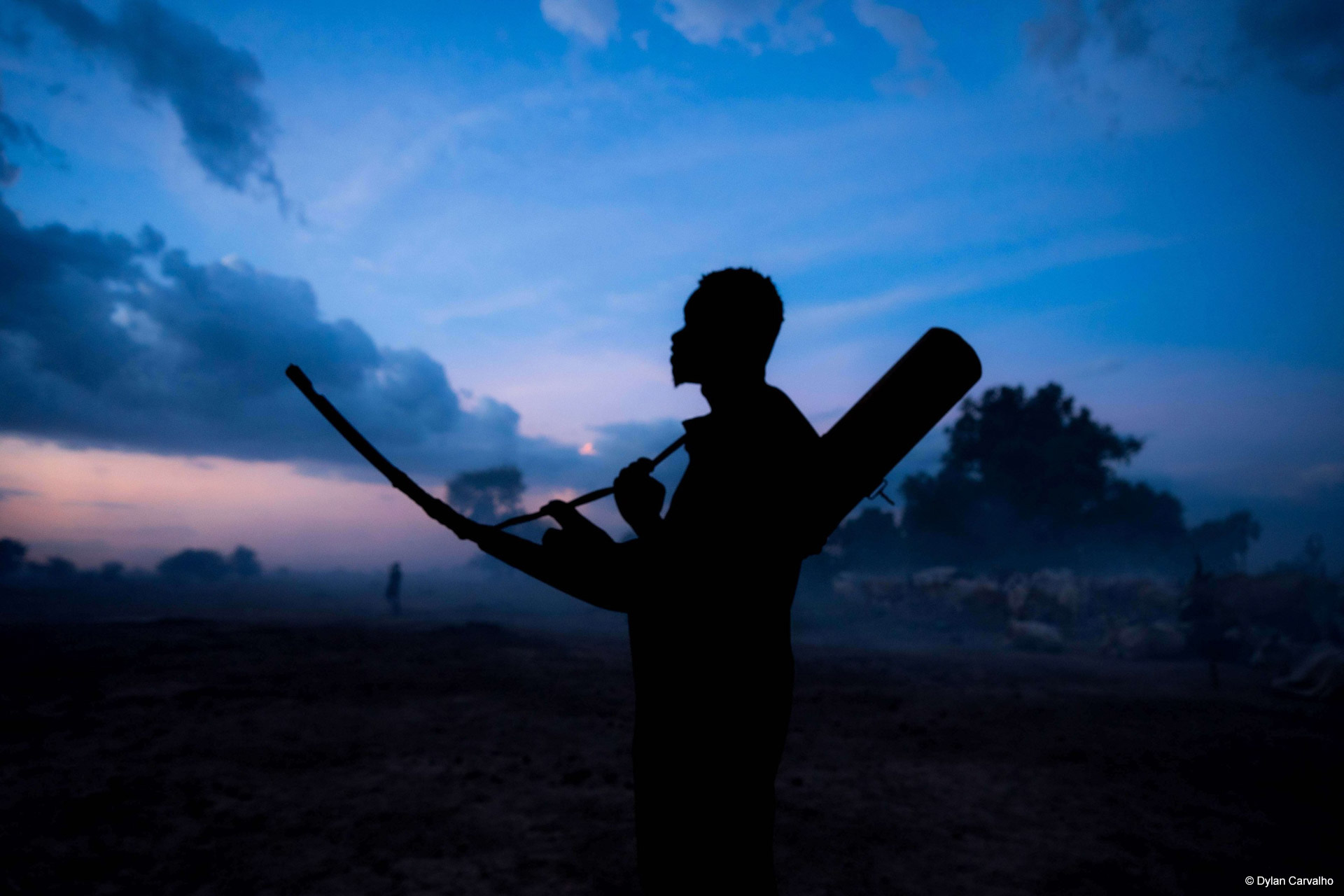
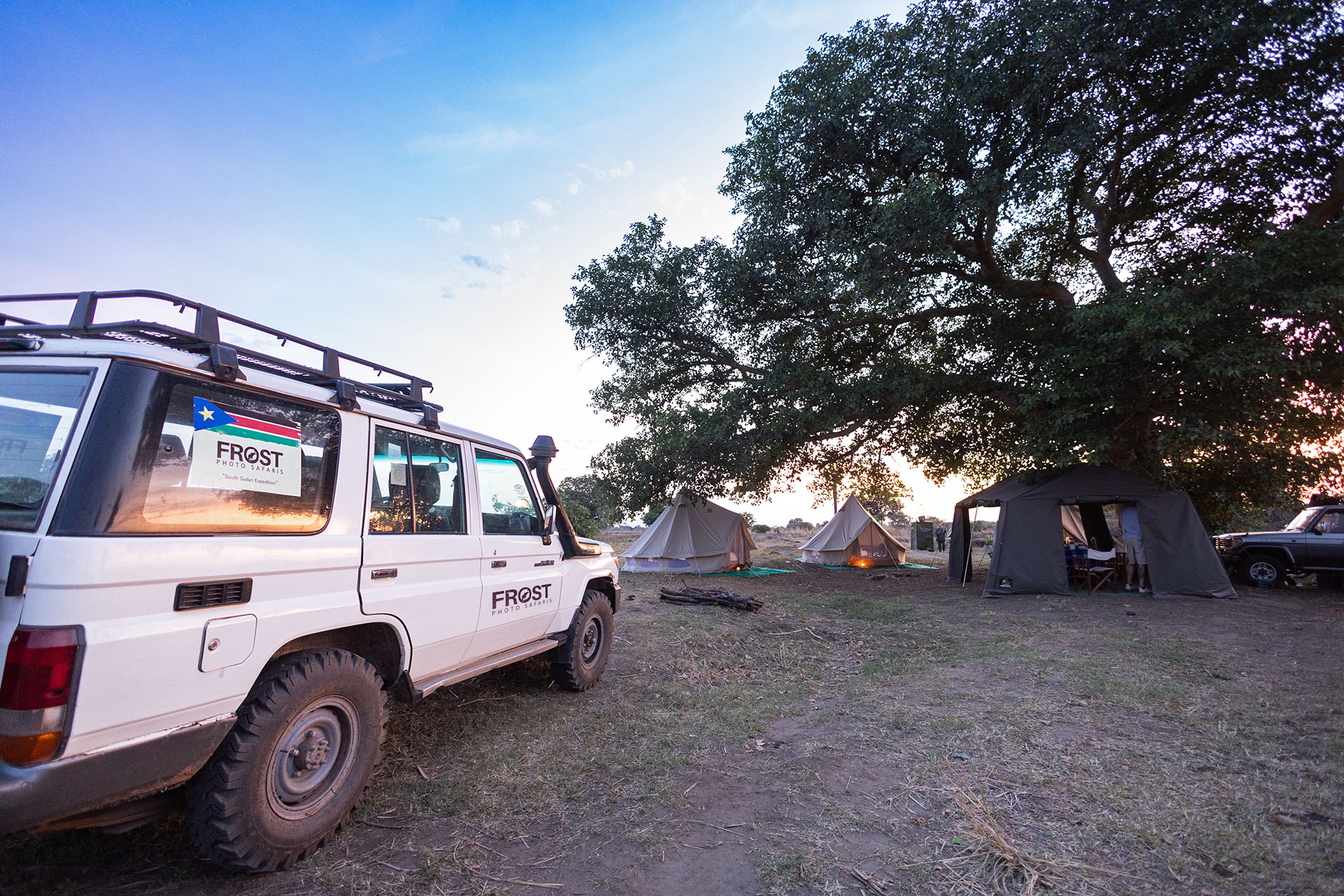
As a professional guide for photographic safaris, I have had the privilege of exploring some of the most remote destinations and beautiful parts of the world. This Spring I had one of my most memorable trips where I co-led a cultural photography tour hosted by FROST Photo Tours to visit three different tribes of South Sudan: Toposa, Larim and Mundari. Each tribe has its own unique culture, traditions and way of life, which made it an unforgettable South Sudan tour, alongside the great atmosphere in camp with both guests and staff. Join me as I take you on a journey through the heart of South Sudan.


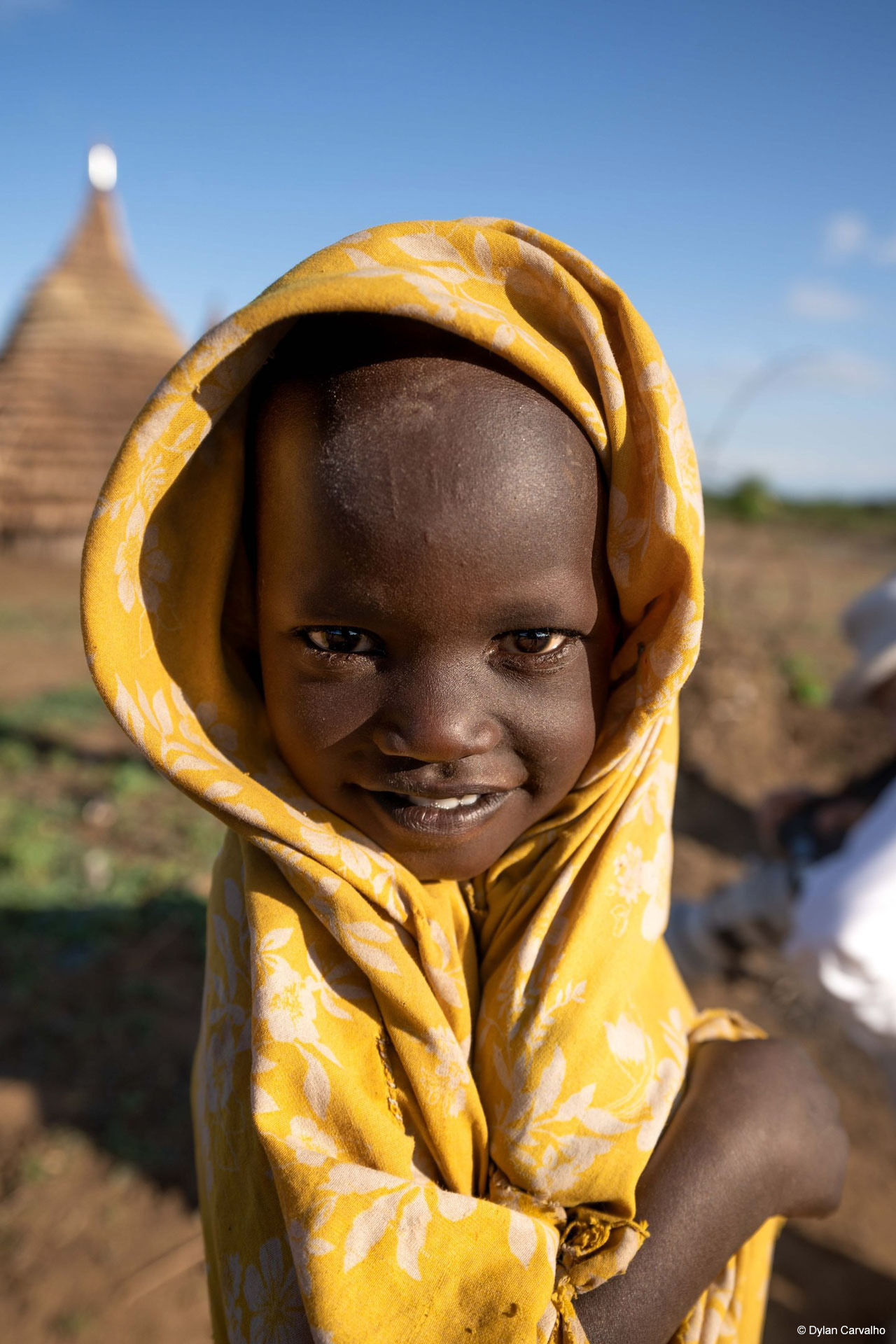
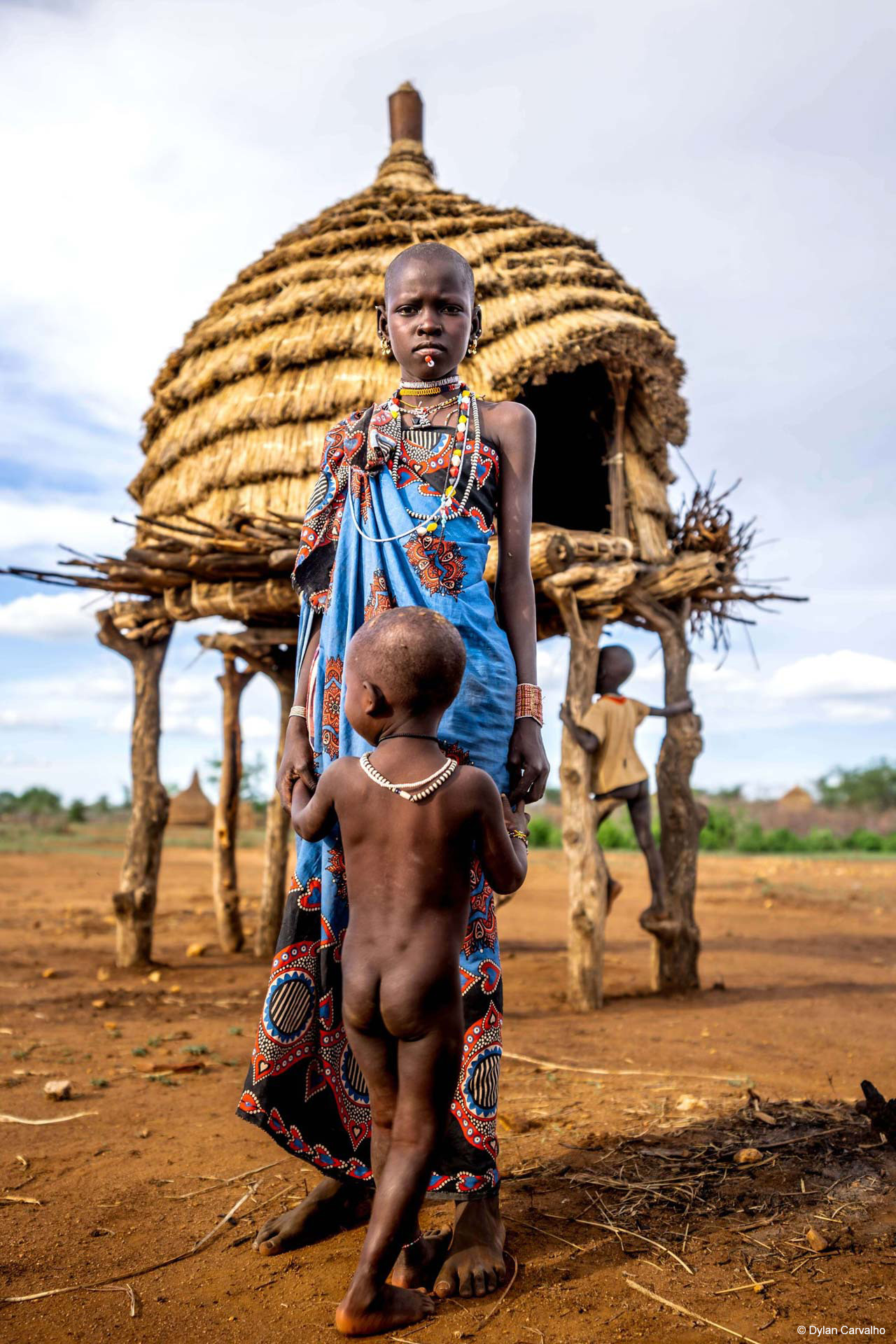
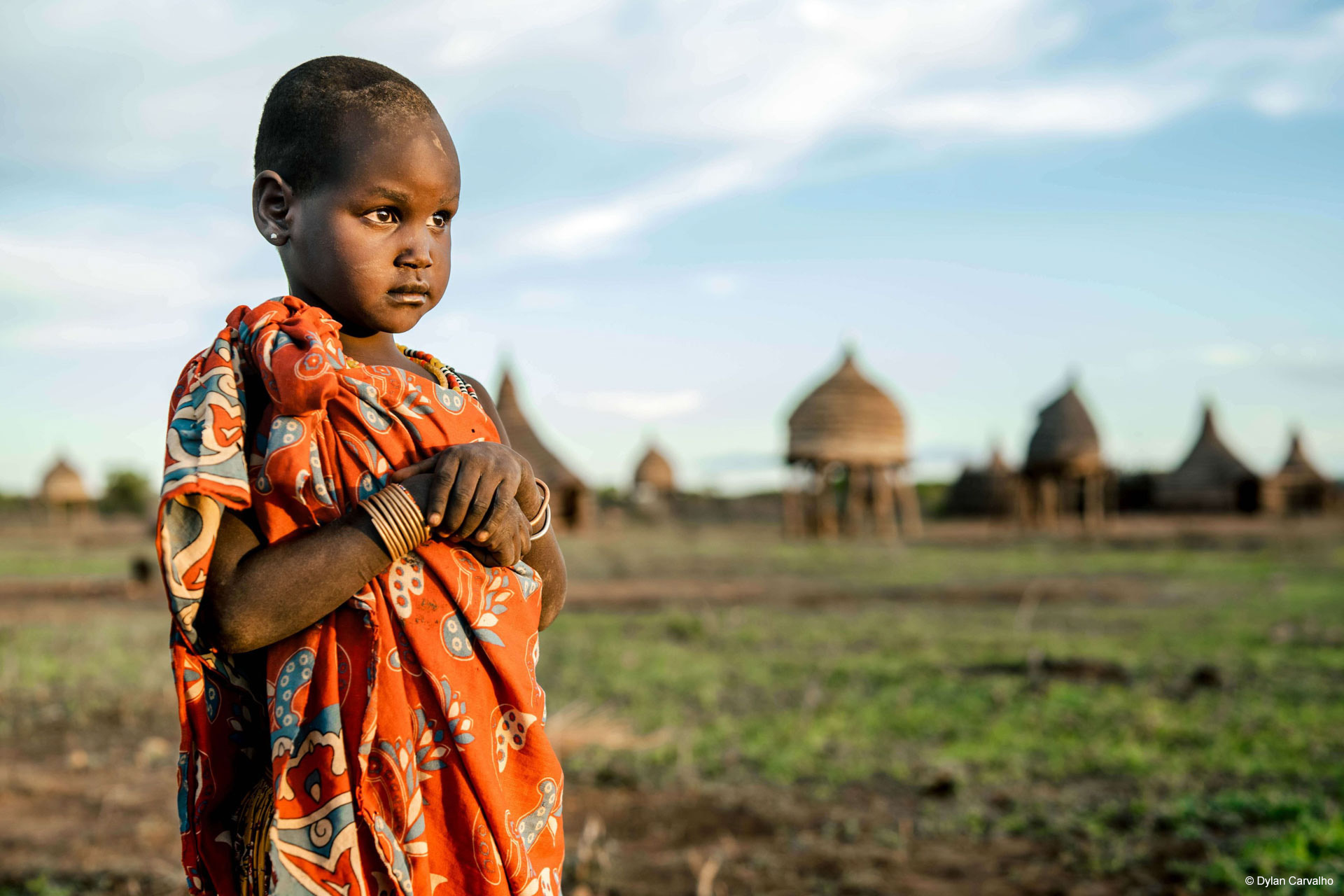
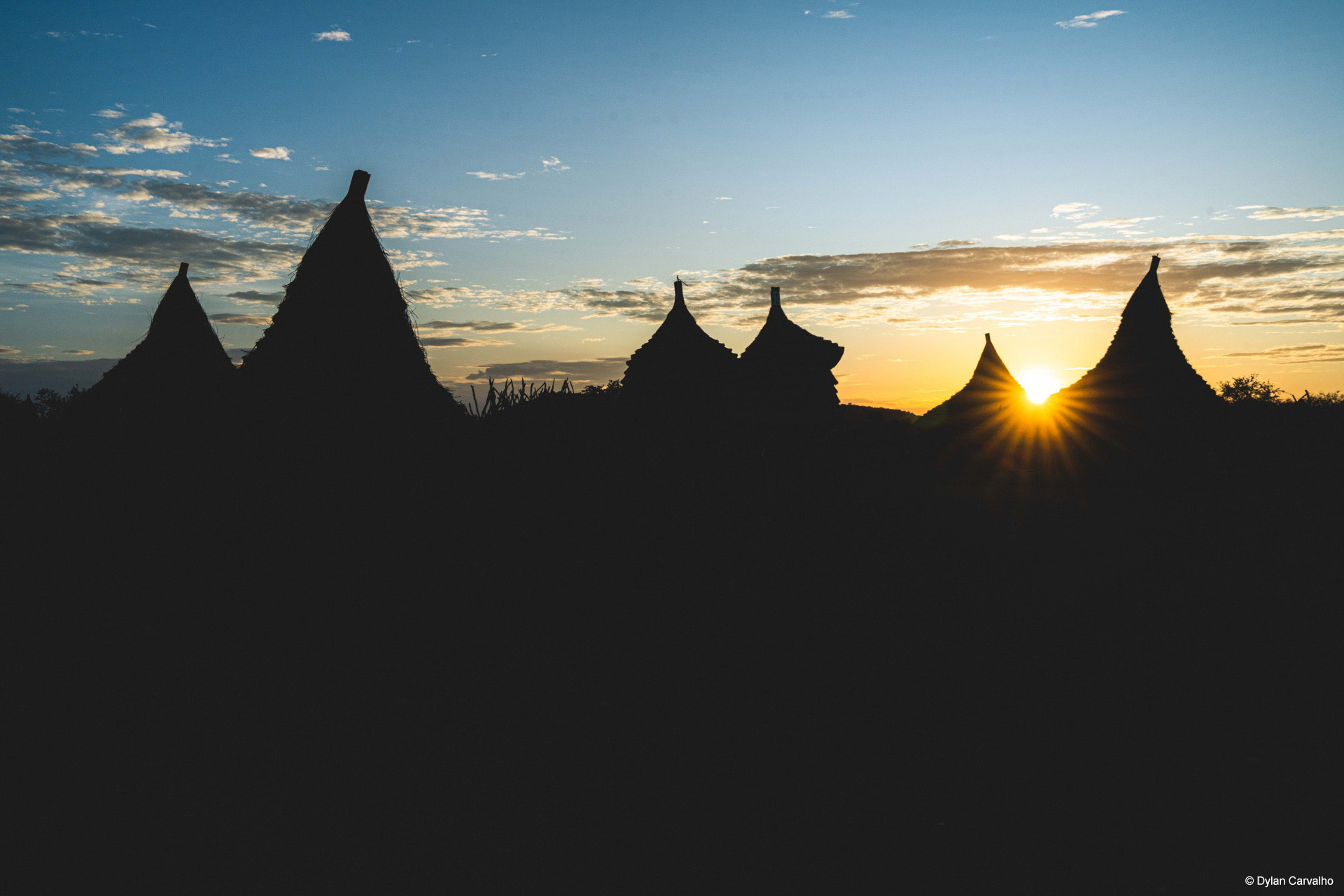
Our first stop was a visit to South Sudan’s Toposa tribe, famous for their housing structures and warrior culture. We were always met with a warm welcome from the local residents as we approached their village. We then were led to the centre of the village, where we met tribal elders who greeted us and made us feel very much at home. The Toposa are very proud of their traditions and culture that they have preserved for centuries. They are talented craftsmen and women, and we got to see some of their beautiful flowers and leatherwork ourselves. We also got to watch the traditional Toposa dance, which was the highlight of our visit. The dancers were dressed in colourful costumes, and drum beats echoed throughout the village.
Overall, our visit to the Toposa tribe during this South Sudan photography tour gave us a glimpse into a unique way of life completely different from our own. It was a humbling experience to experience and photograph their traditions and customs, and we left with a deep appreciation for their culture.
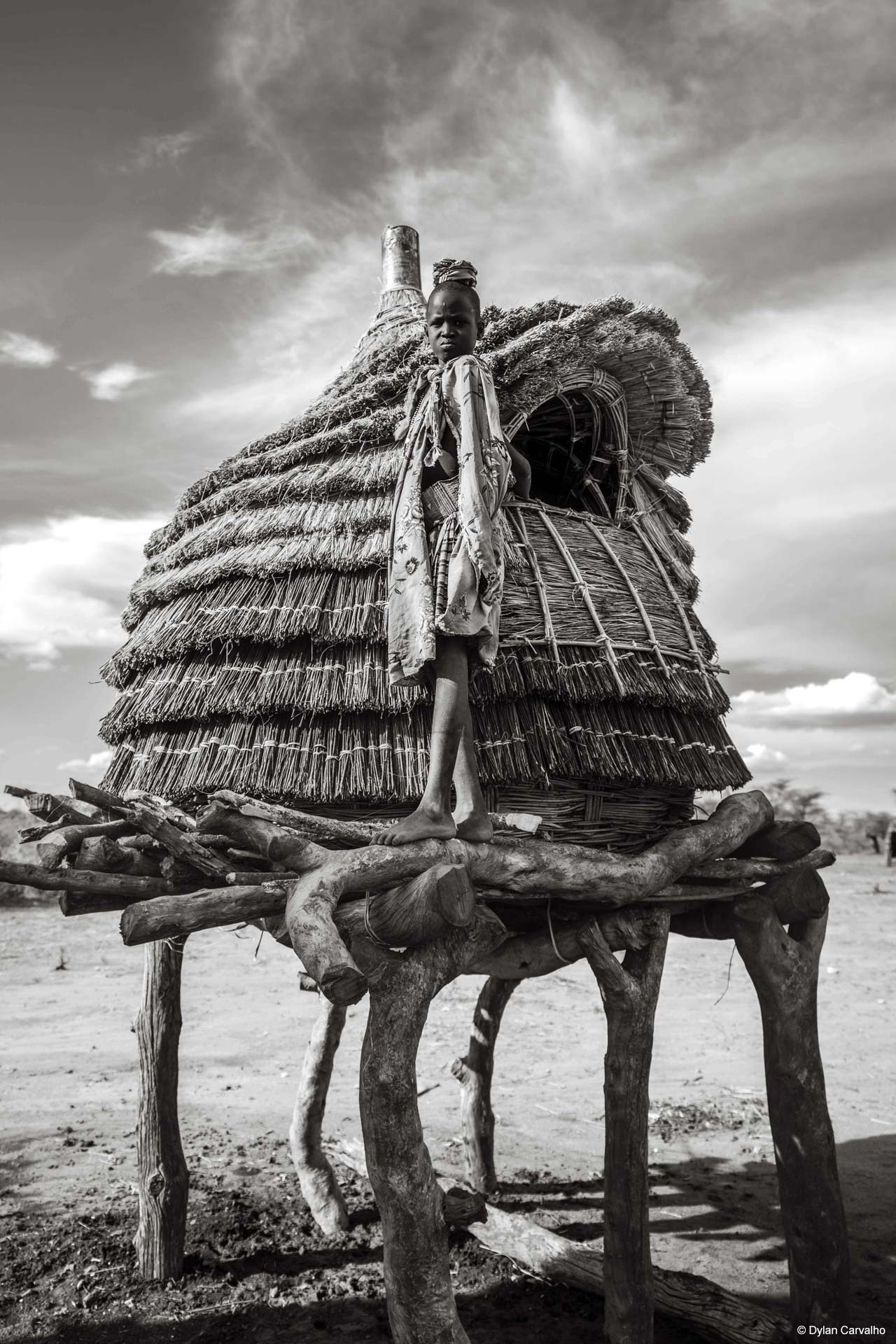
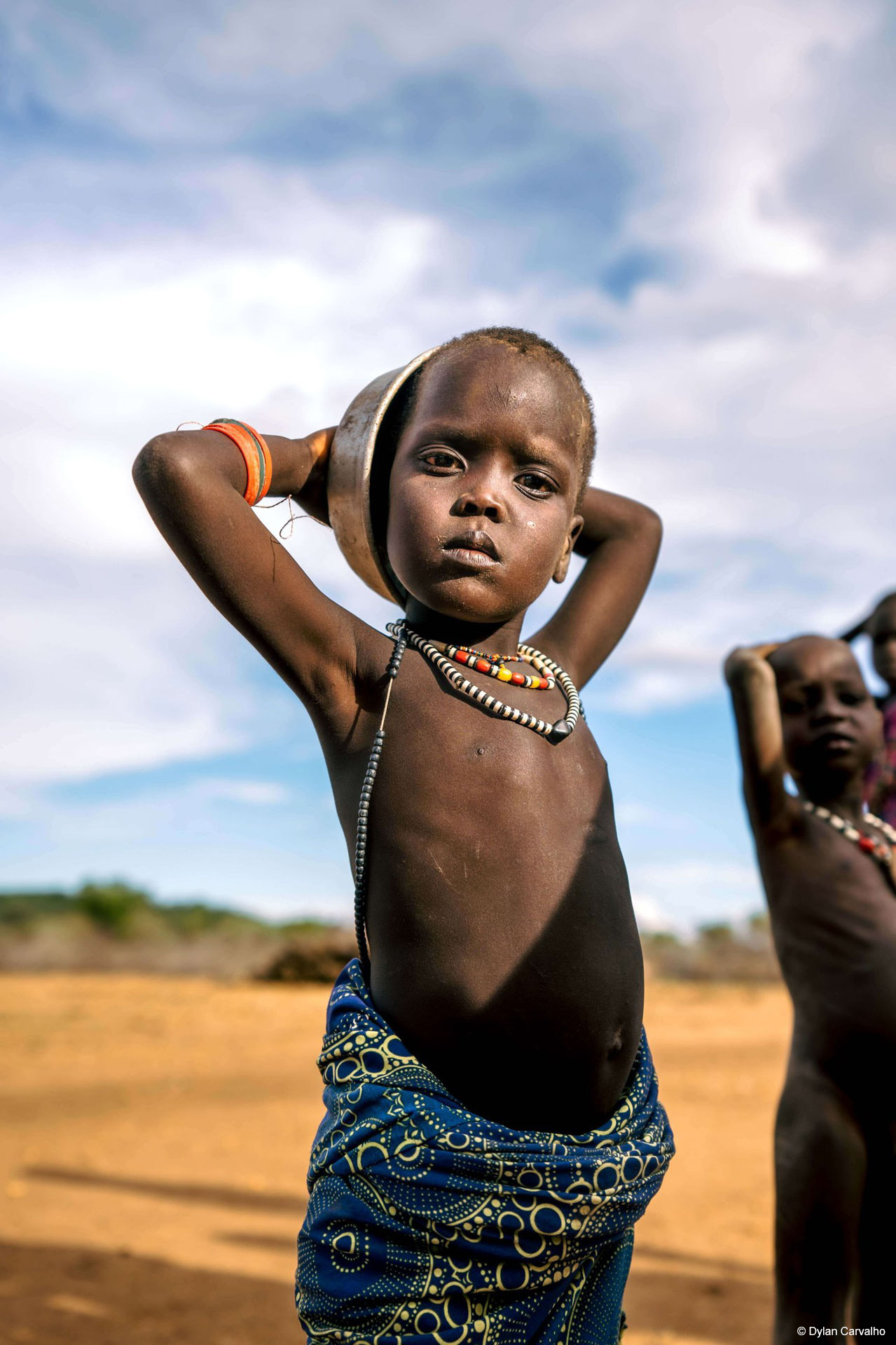
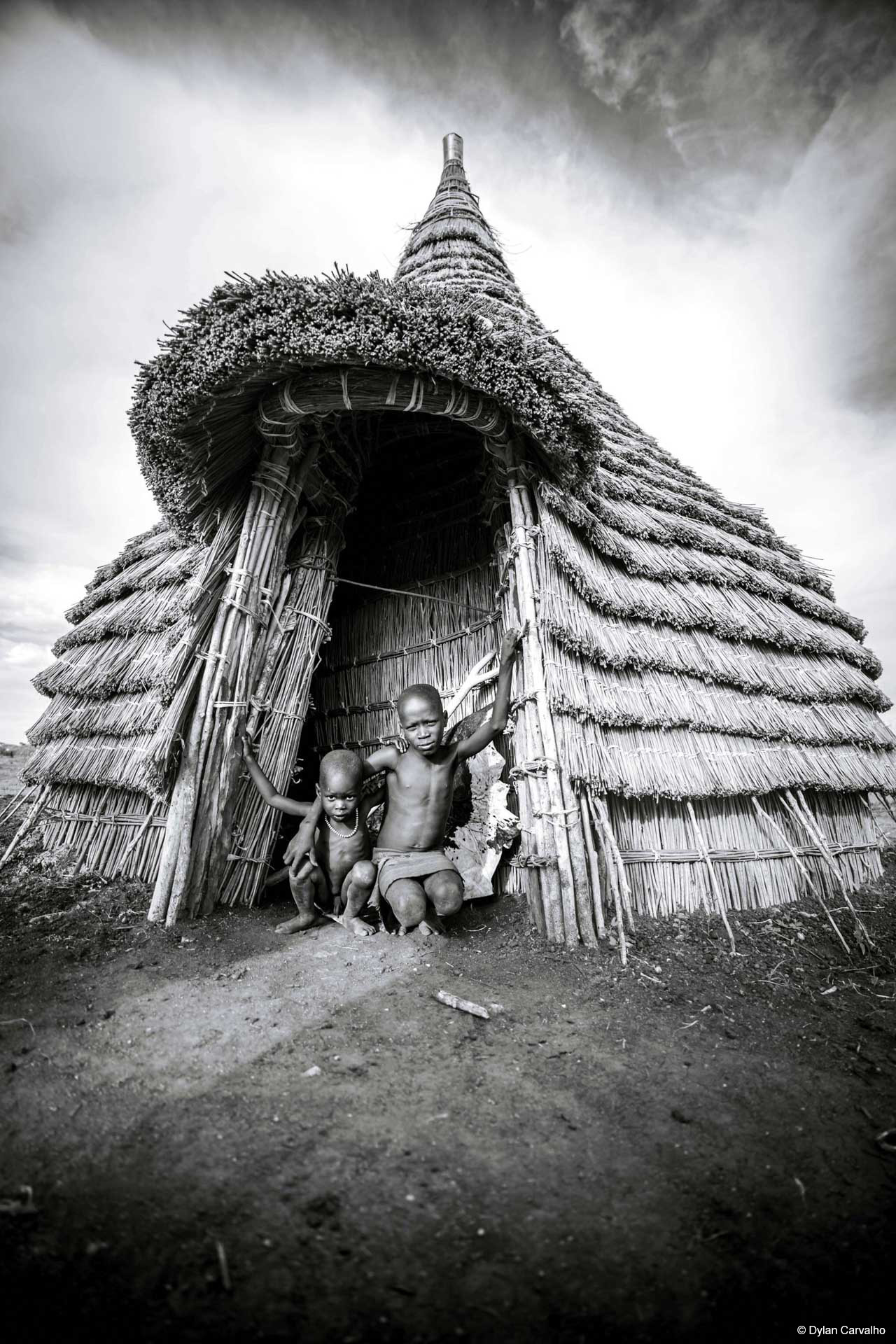
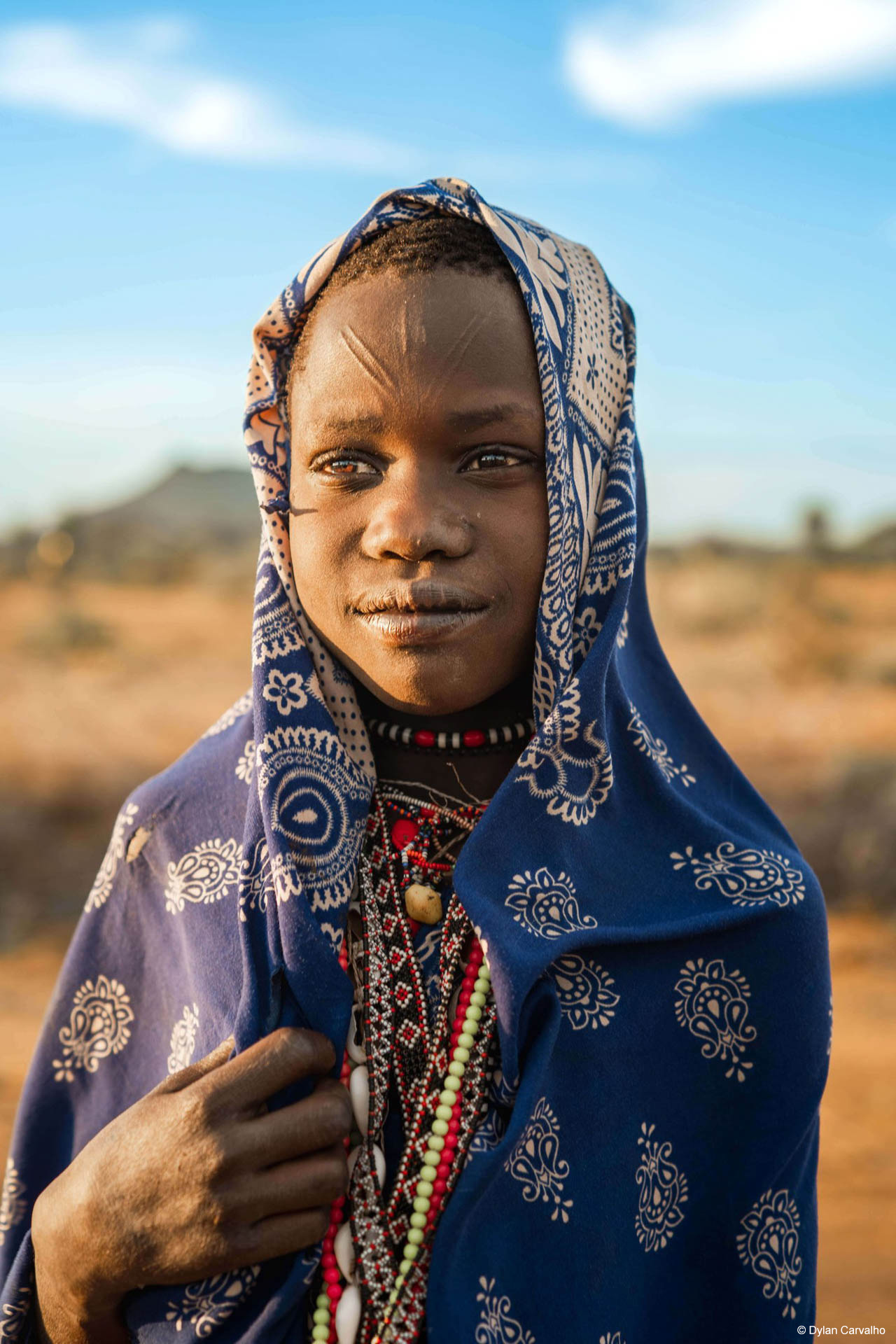
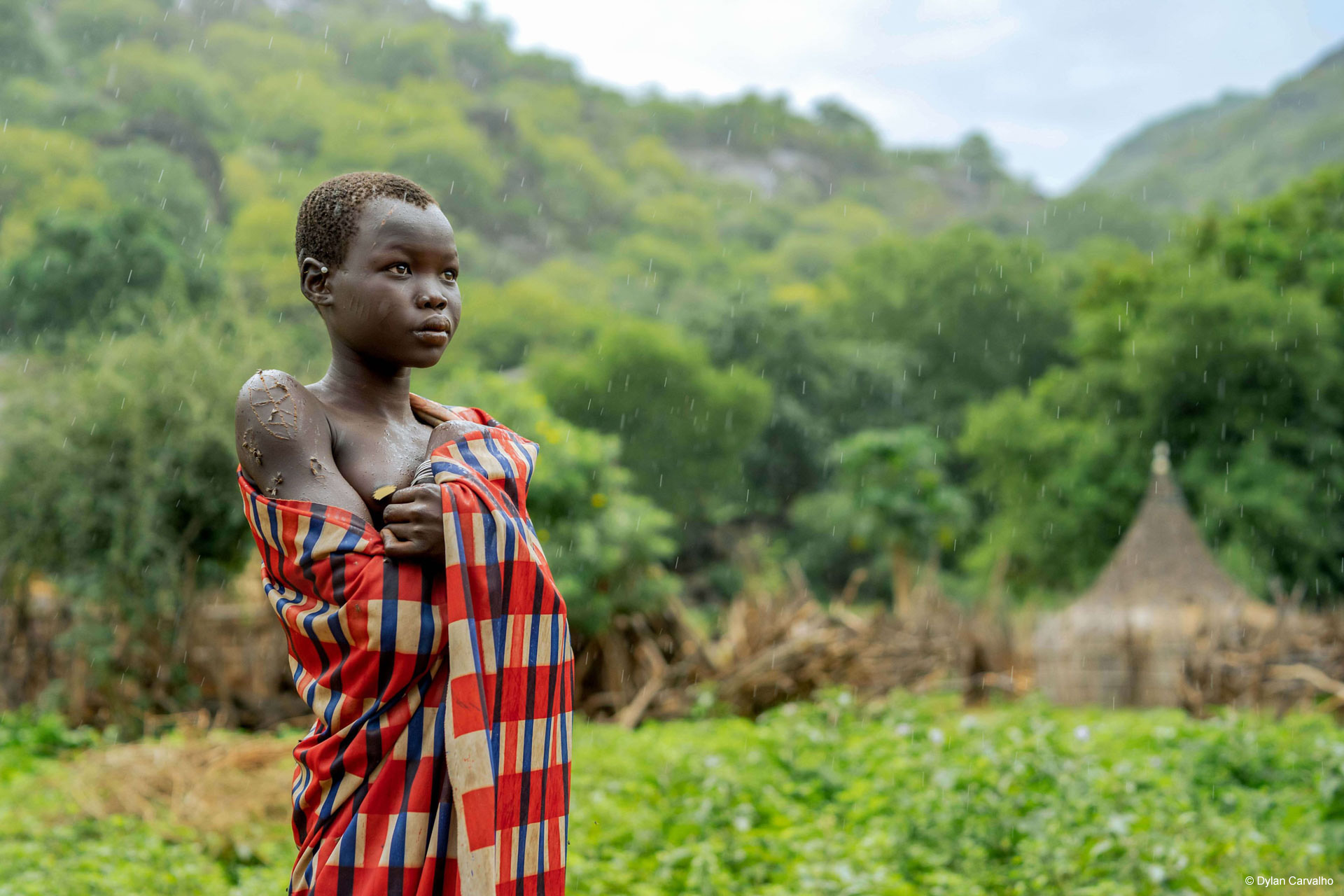
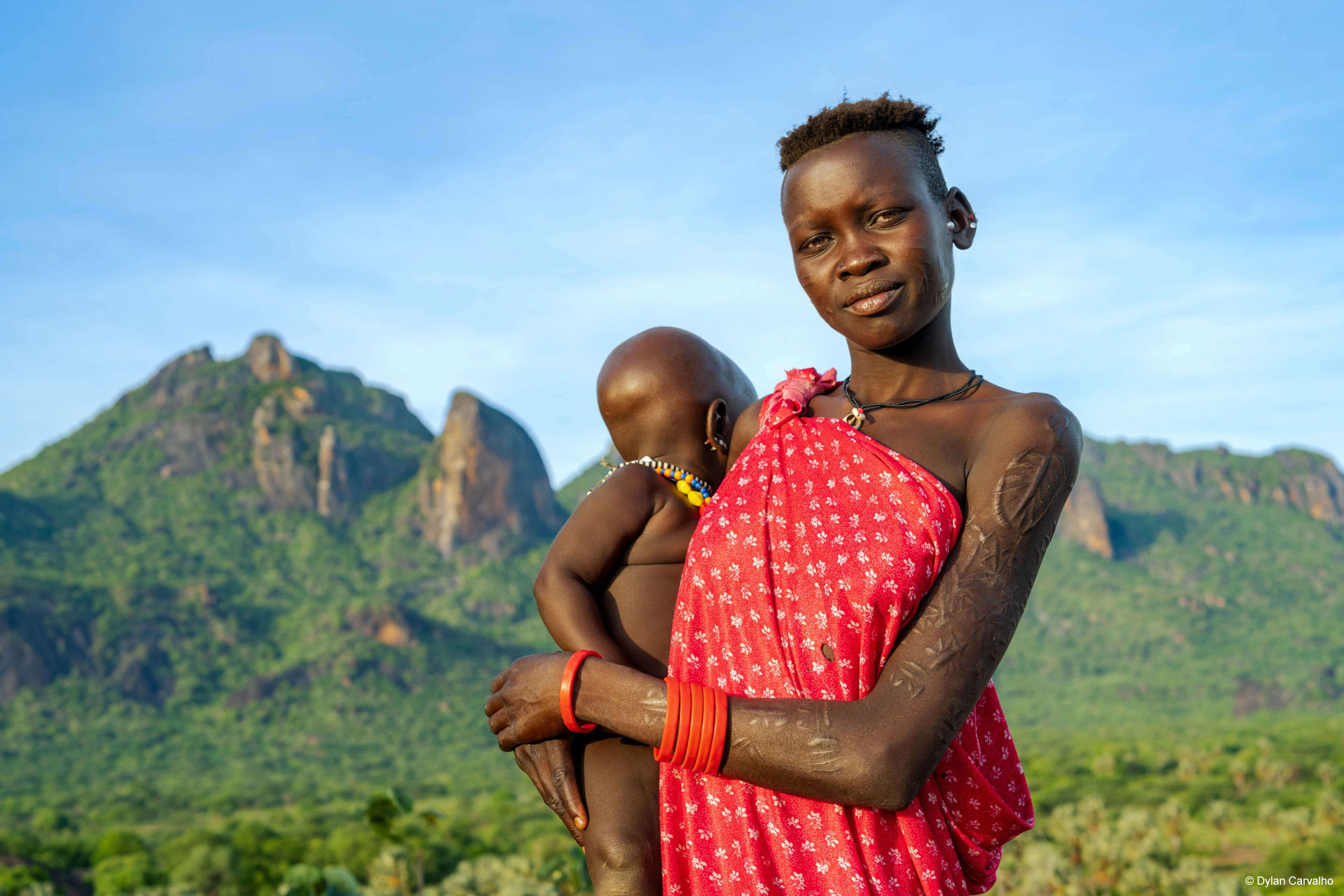
Our next stop on our photographic expedition was to visit the Larim tribe, also known as the Boya people, who are known for their beautiful terraced agriculture and stunning scenery. As we approached their village, we were struck by the beauty of the landscape. The Larim people live in the foothills of the Imatong Mountains, and their villages are surrounded by lush vegetation and stunning views. One of the highlights of our visit to the Larim was witnessing their unique agricultural practices. They have created intricate terraced fields that are used to process their main crop sorghum. We curiously observed how they processed their crop and were struck by the beauty of their fields.
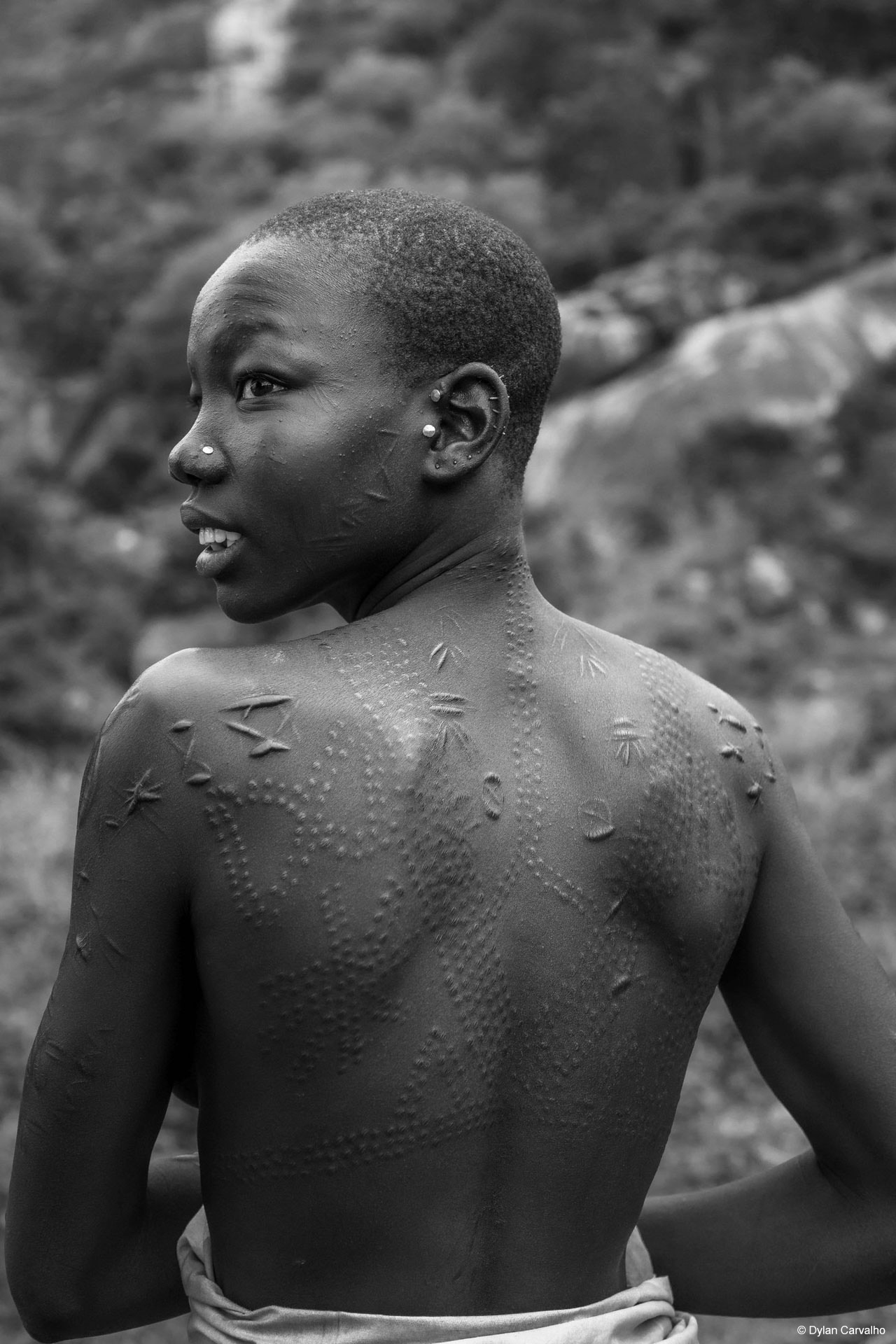
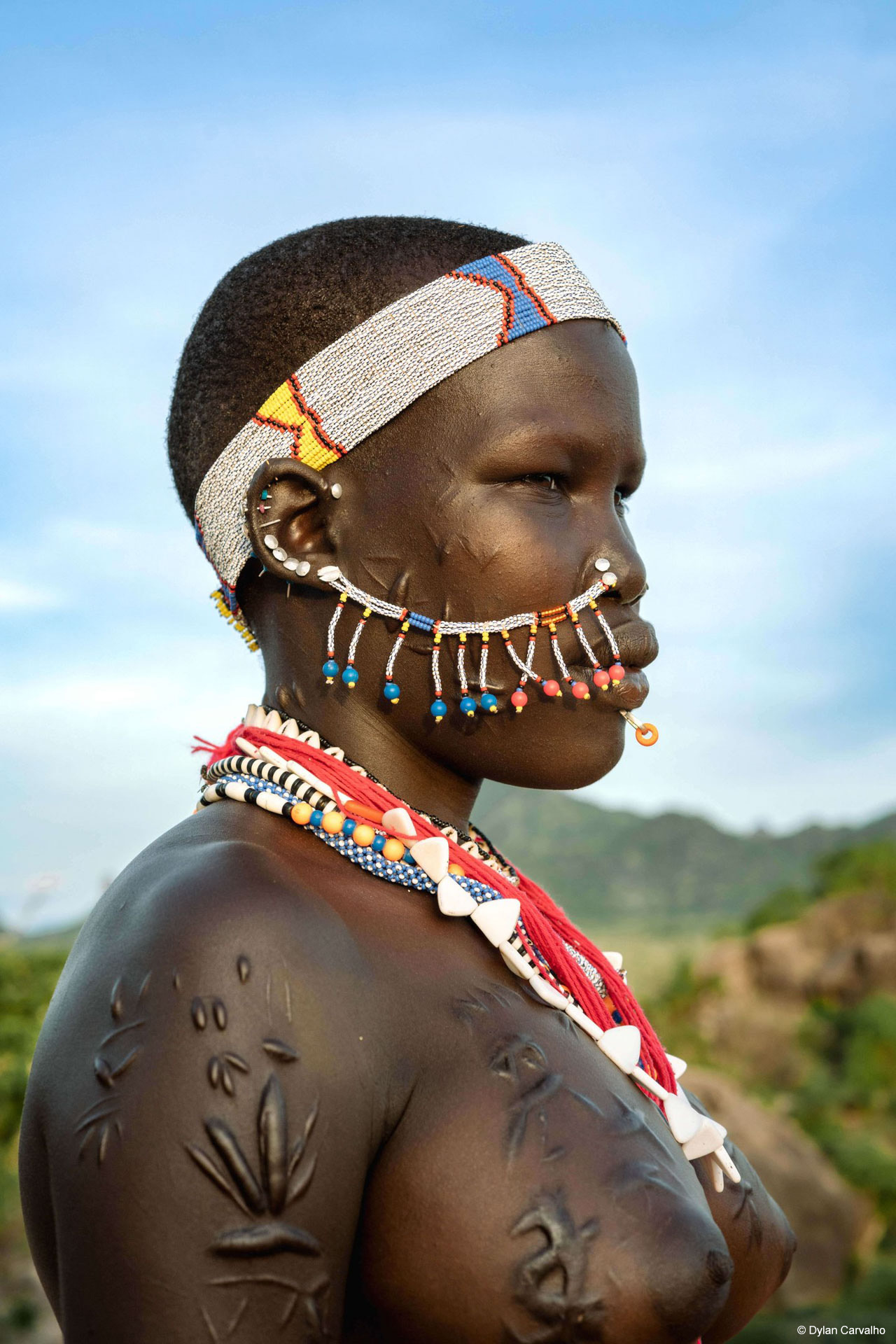
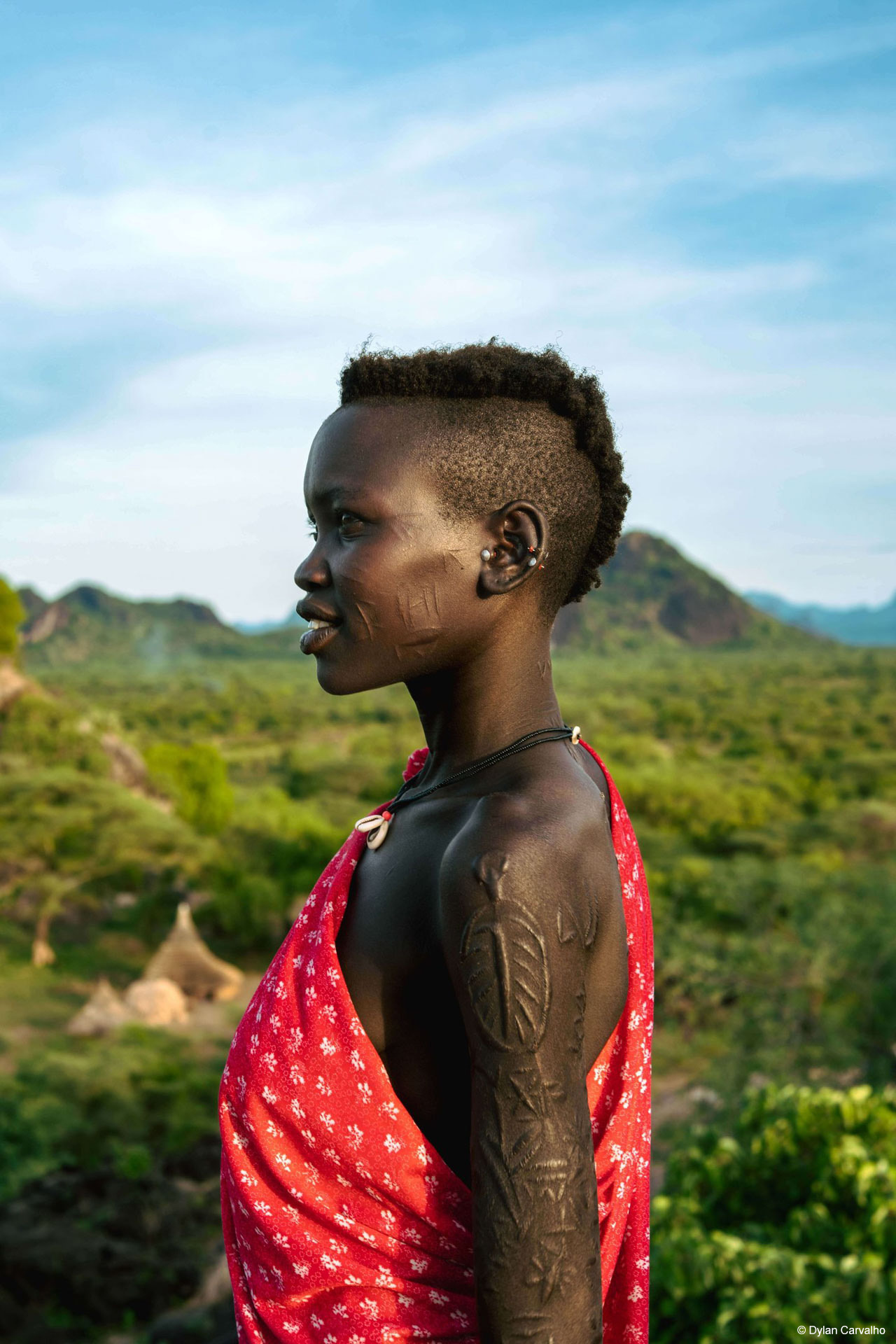
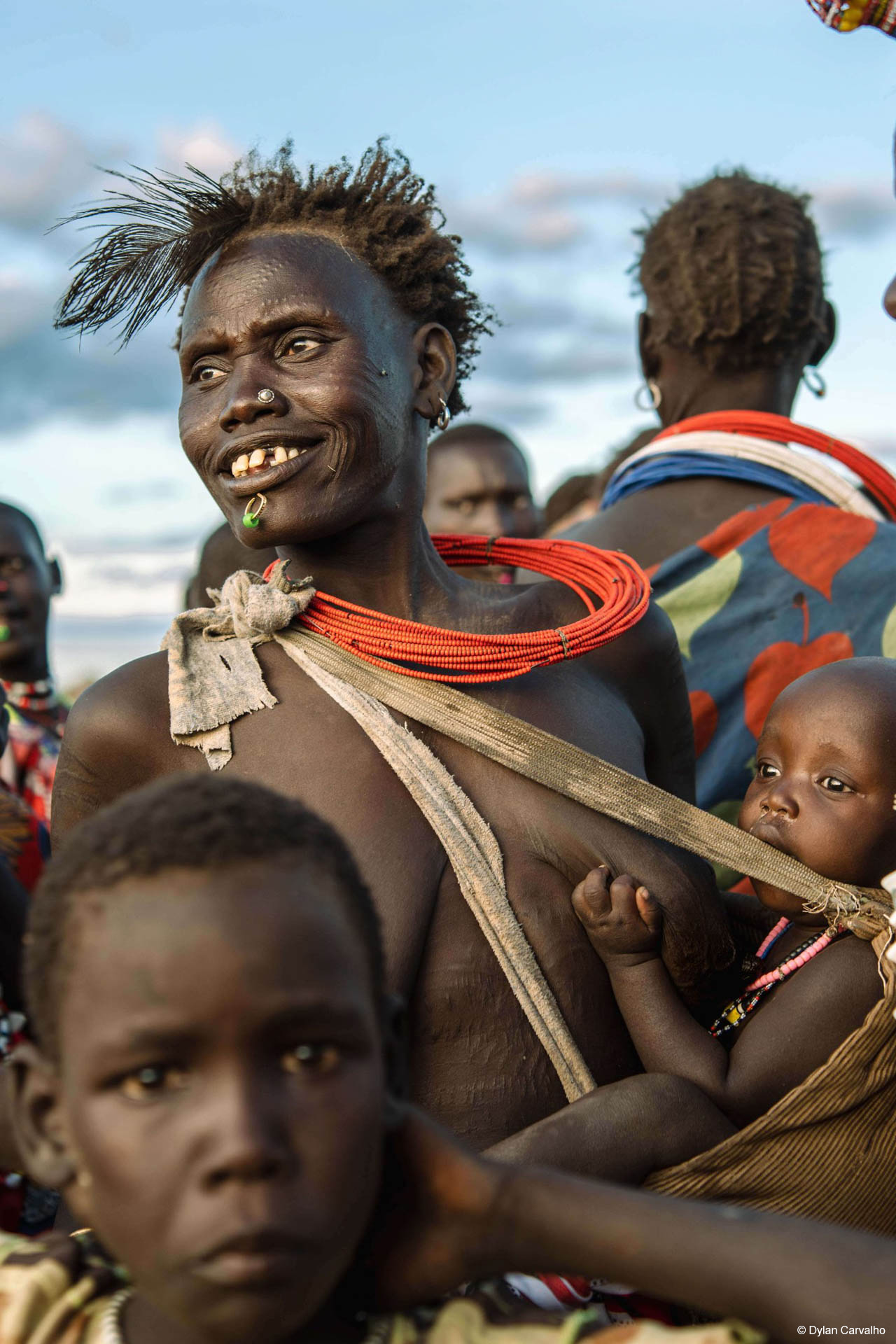
The Larim are also known for their scarification which is considered a significant cultural practice and a beauty standard. The women of the Larim tribe use razor blades to create intricate designs on their skin, usually on their stomachs, backs, faces and arms. These markings are believed to enhance their physical beauty and signify their transition into adulthood. The practice is also seen as a symbol of cultural identity and serves as a way of distinguishing themselves from other neighbouring tribes.
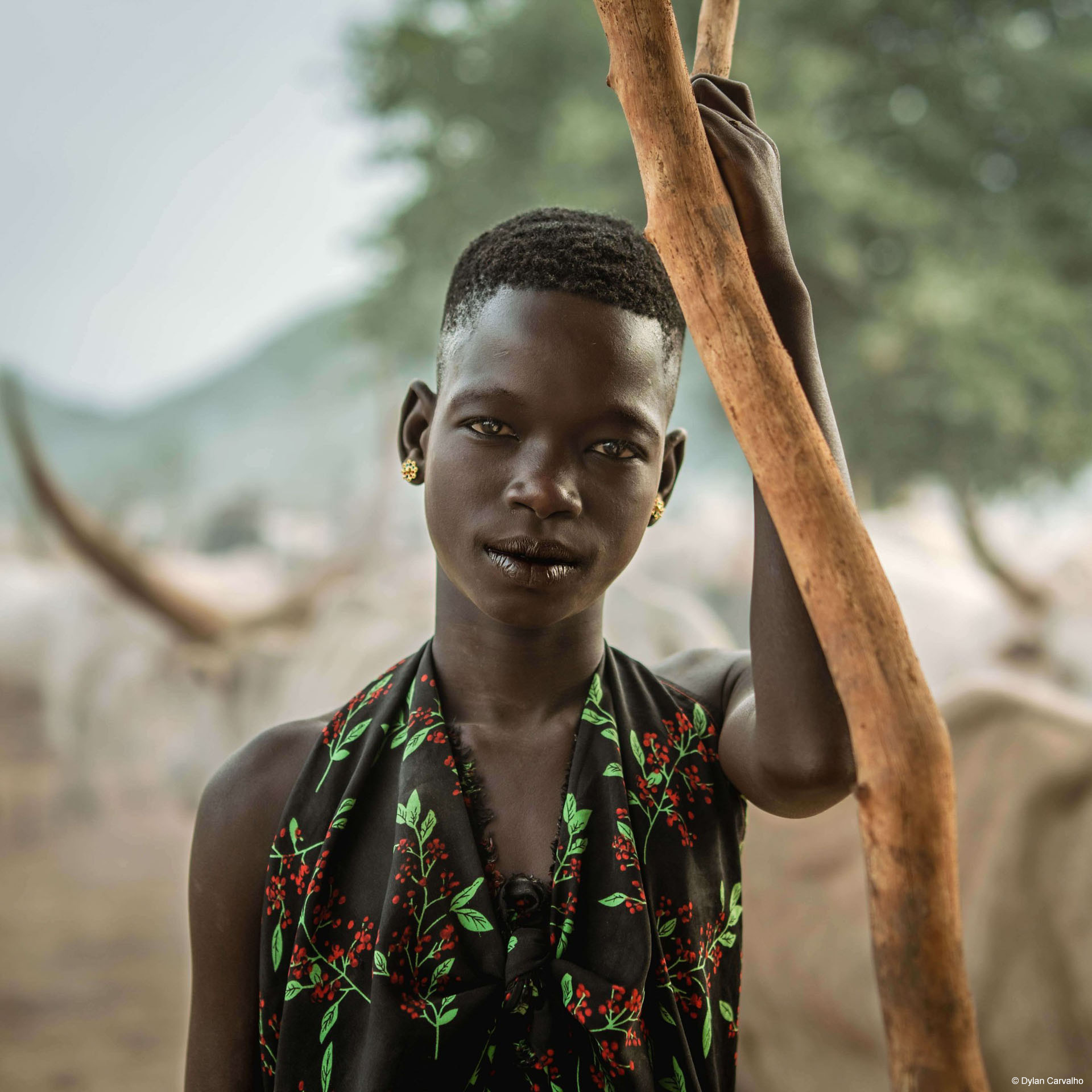
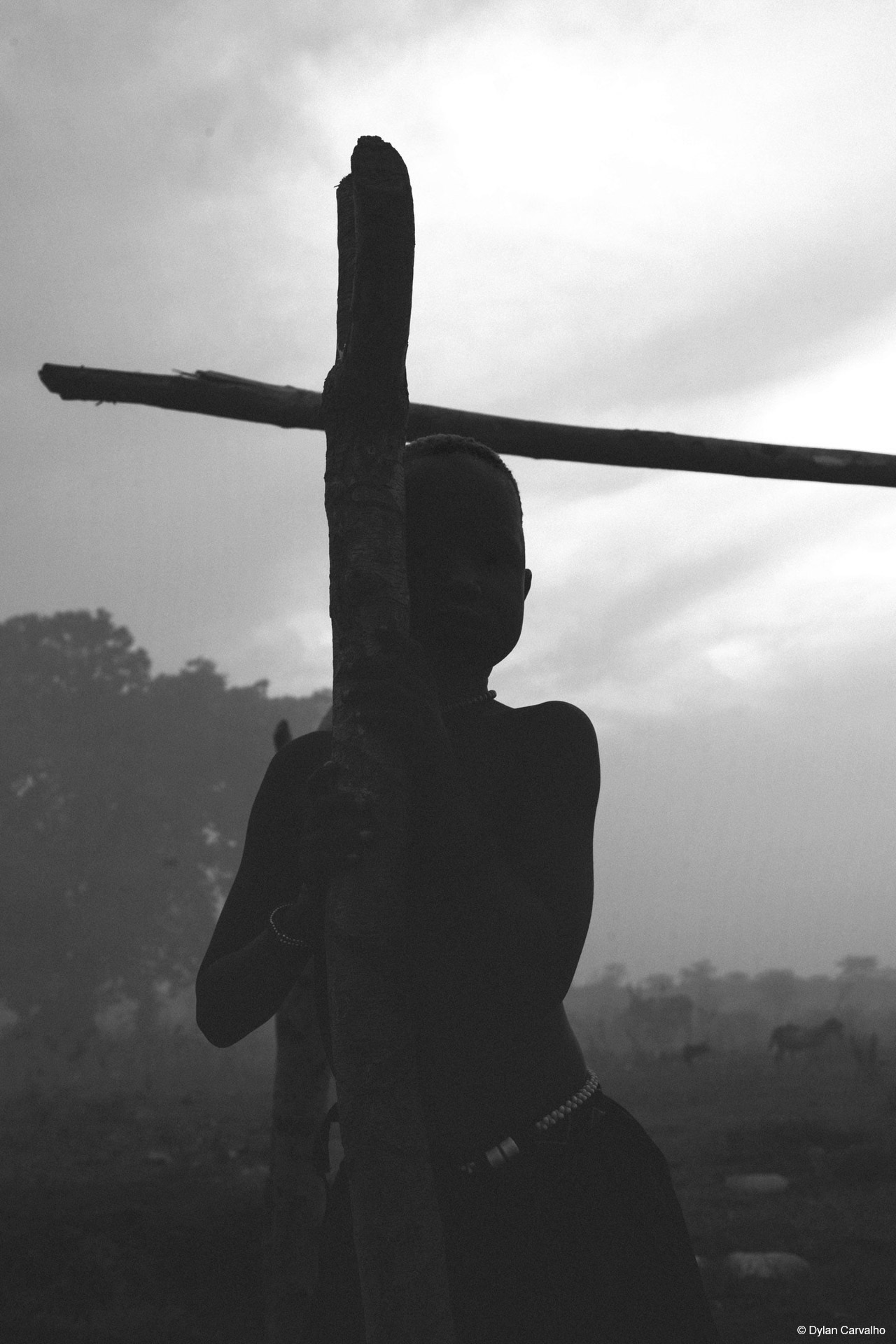
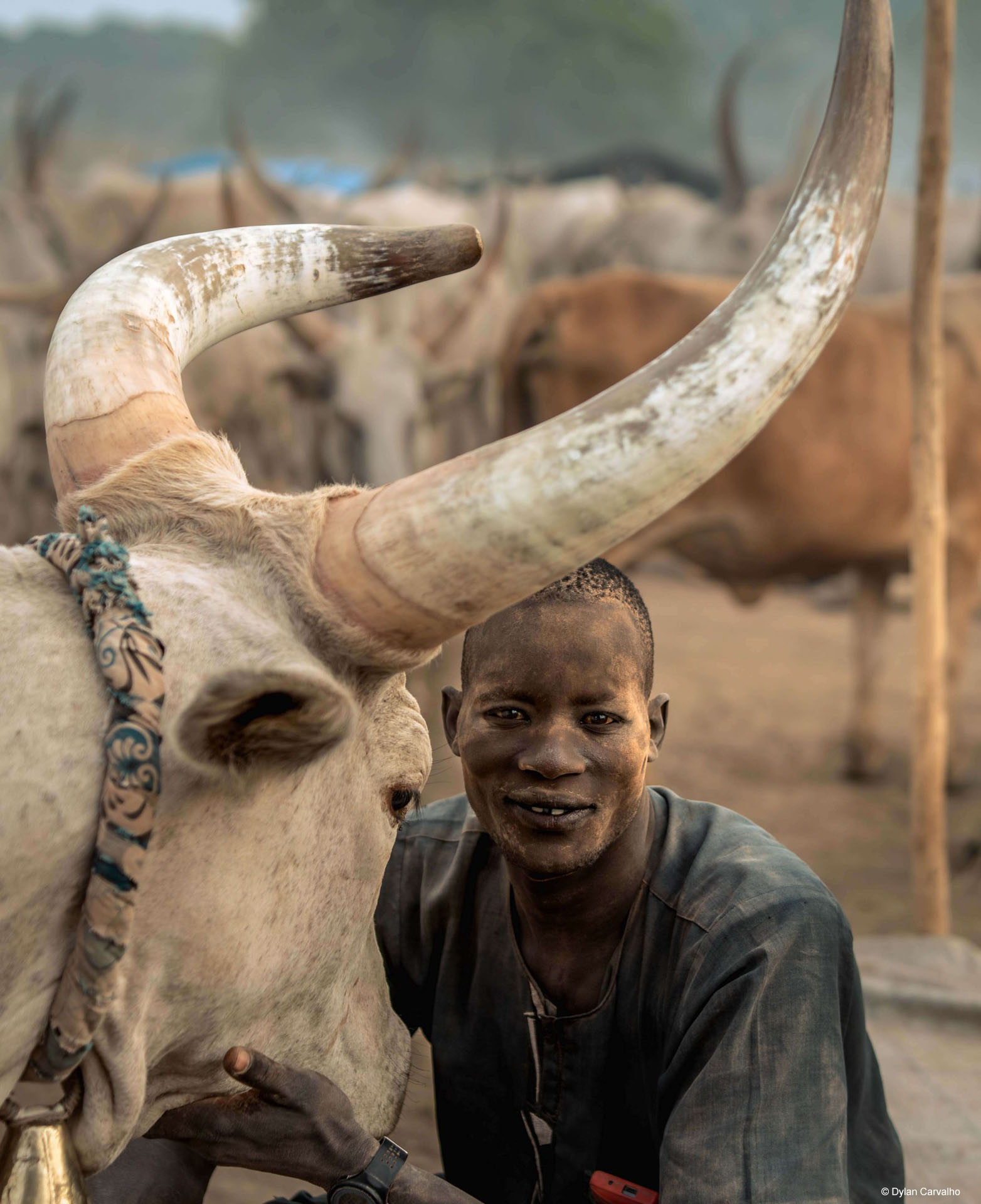
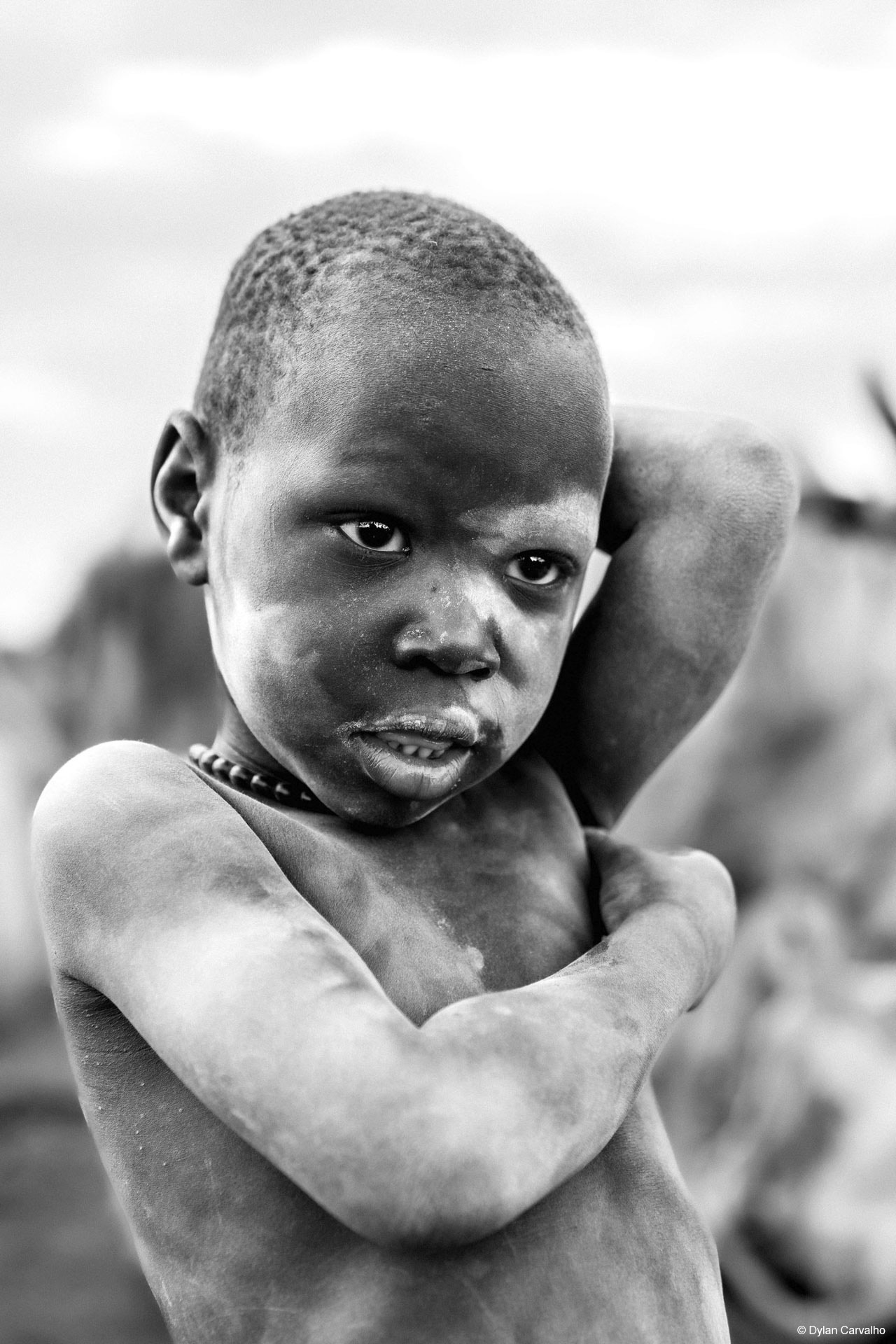
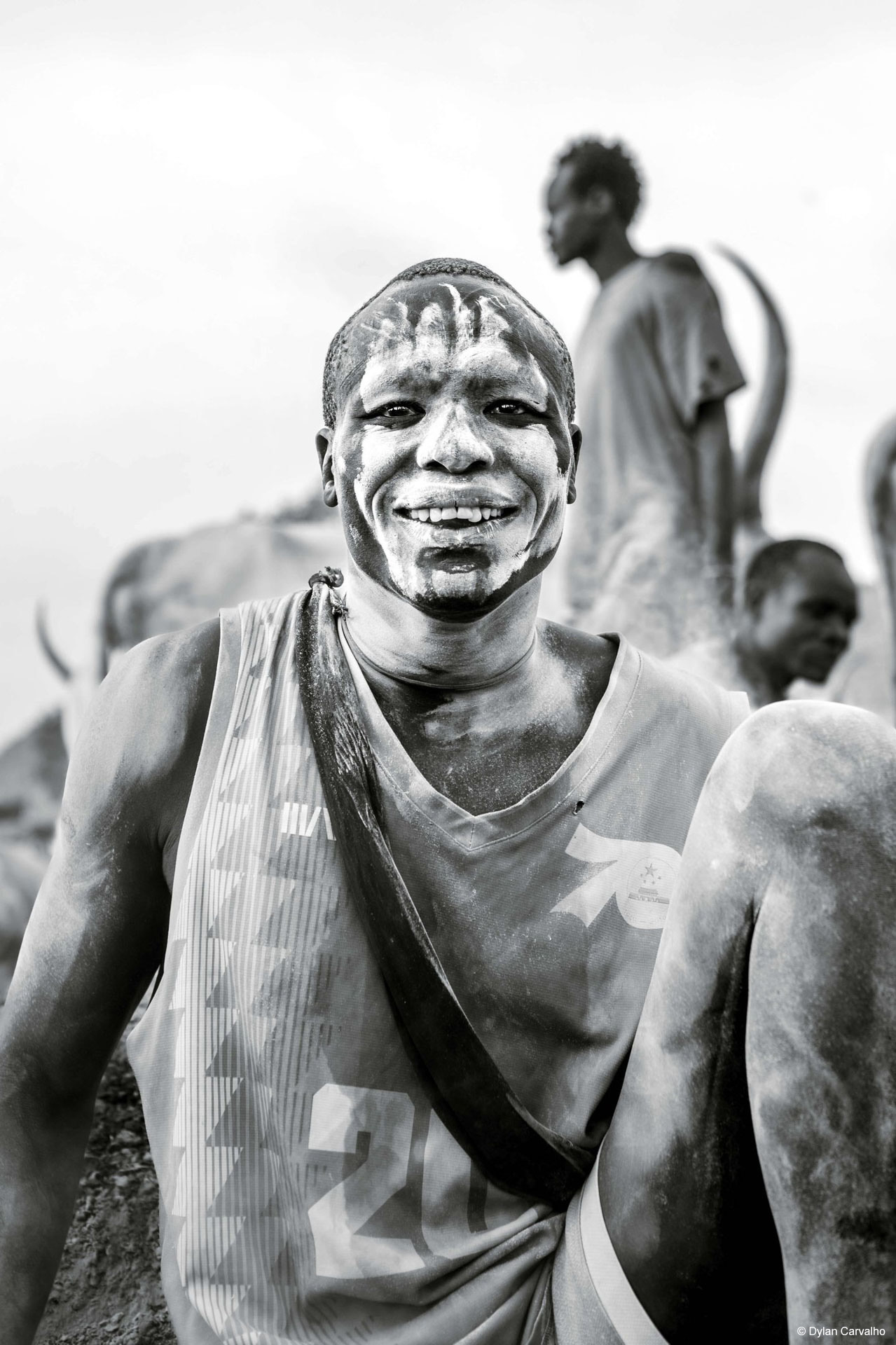
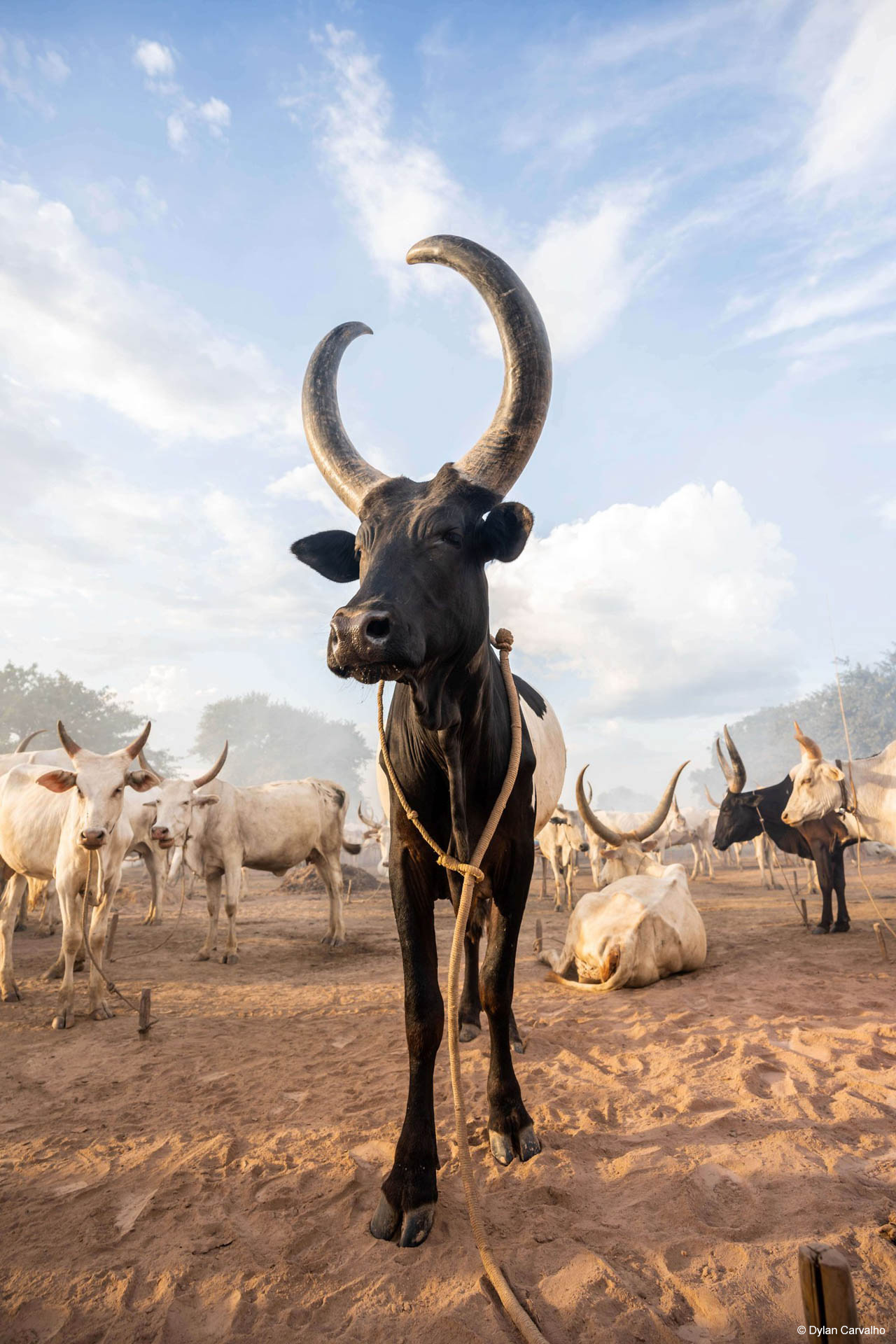
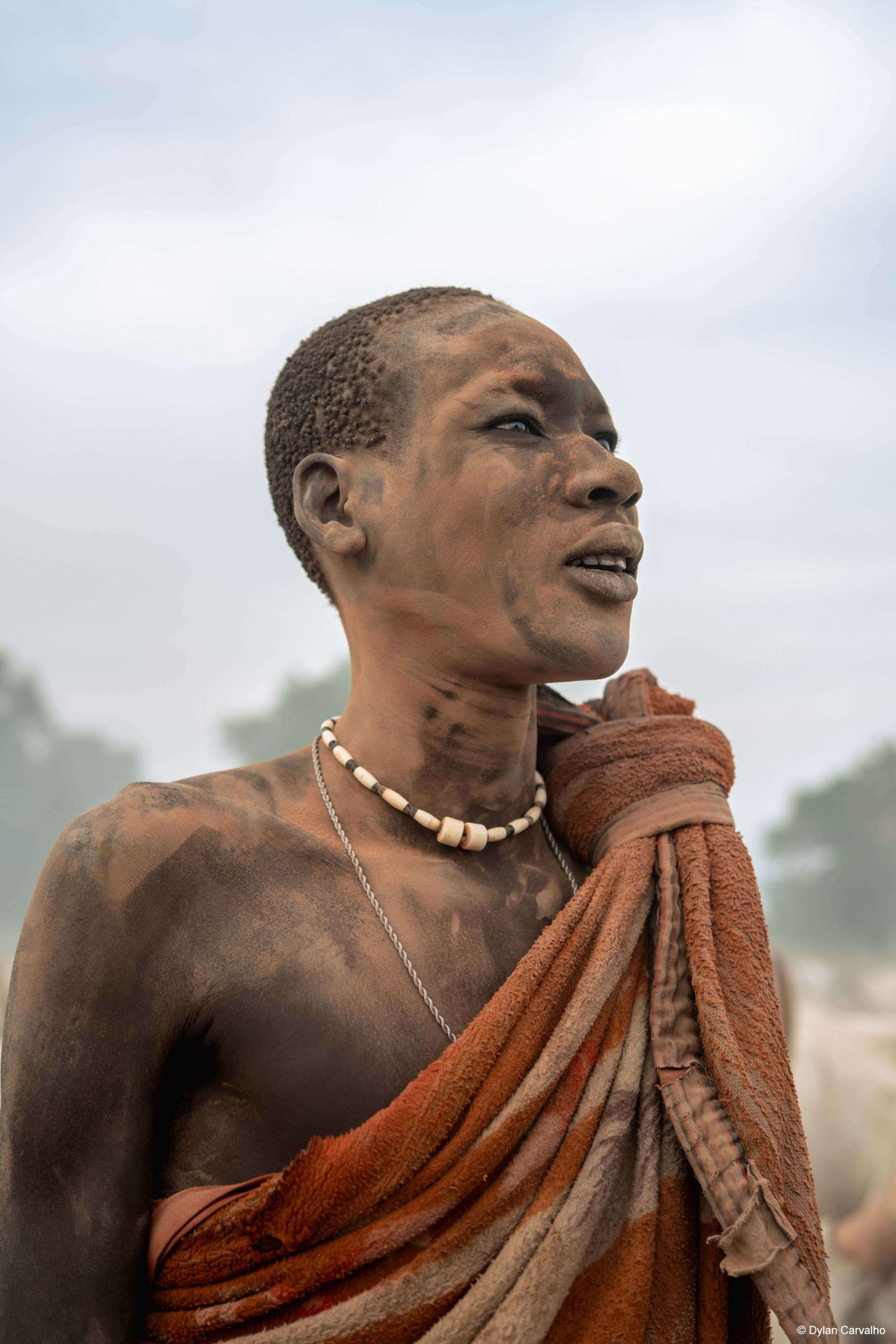
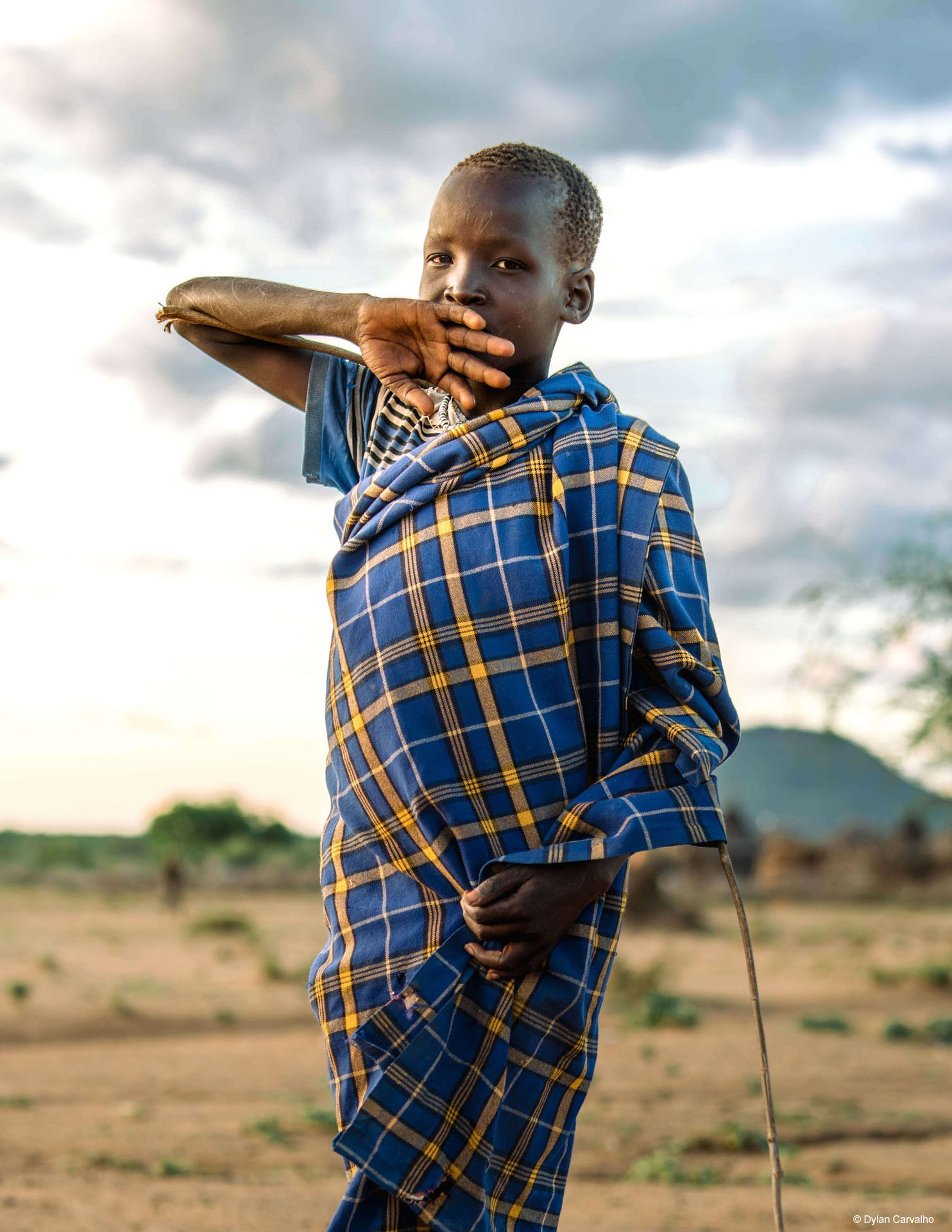
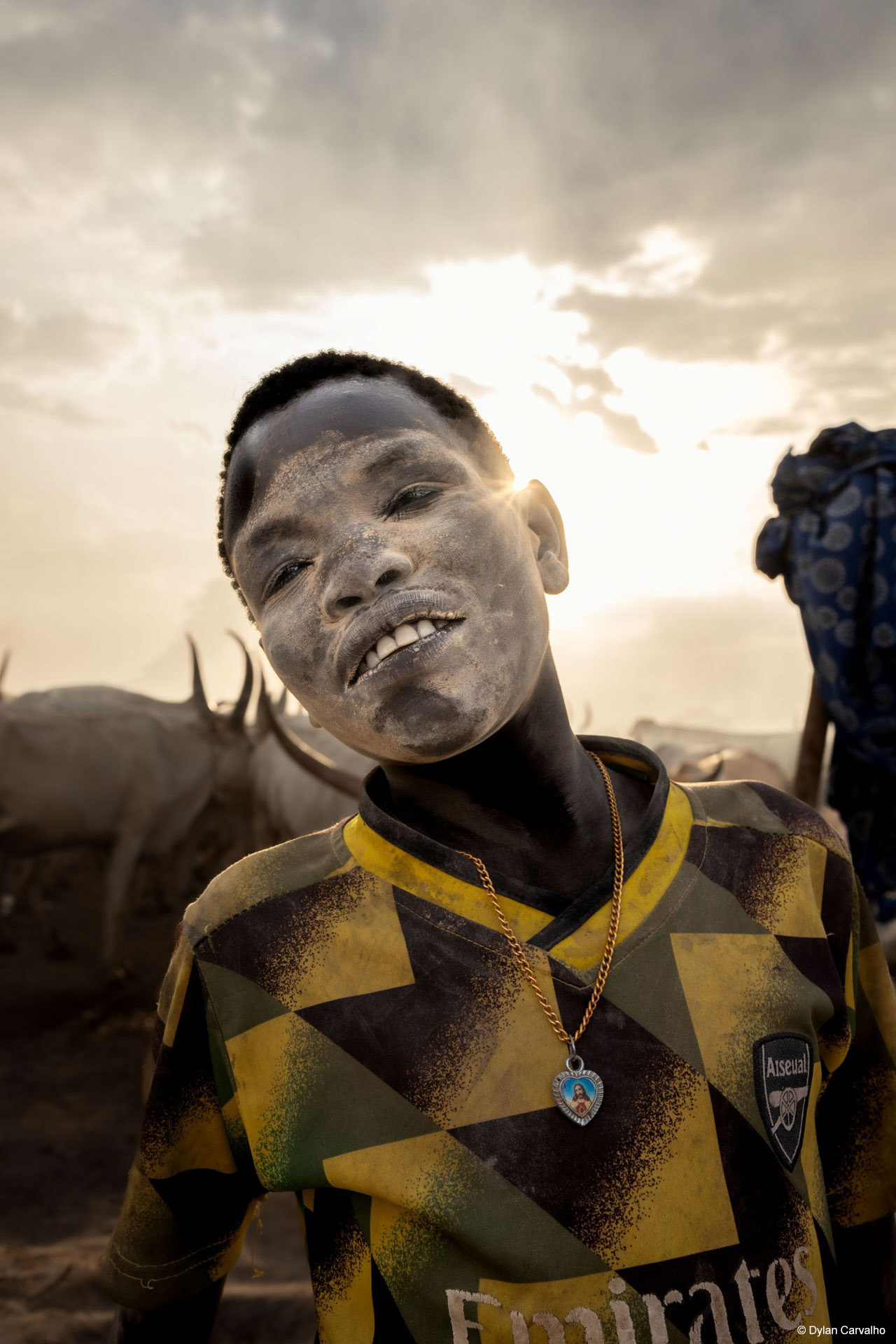
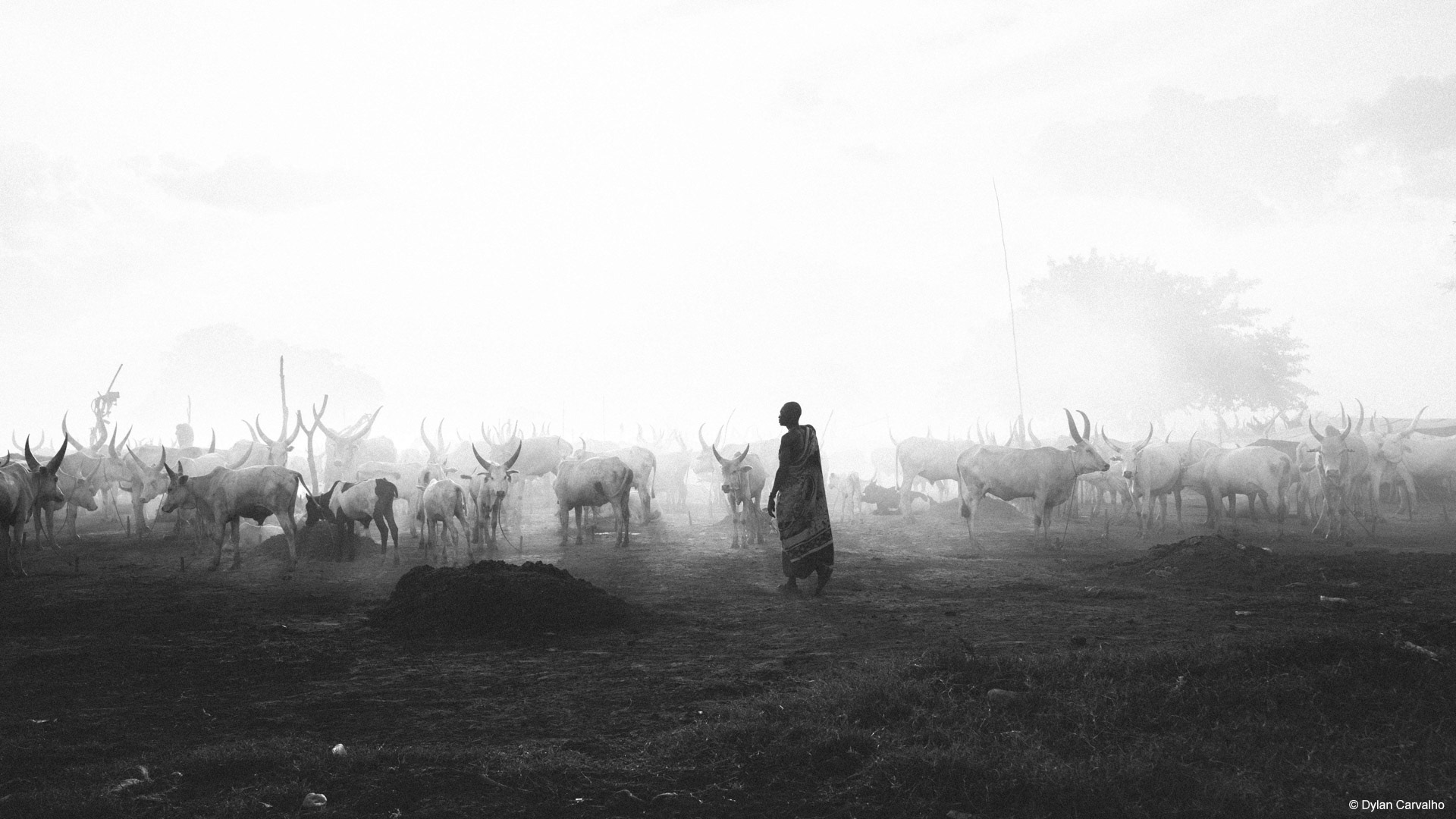
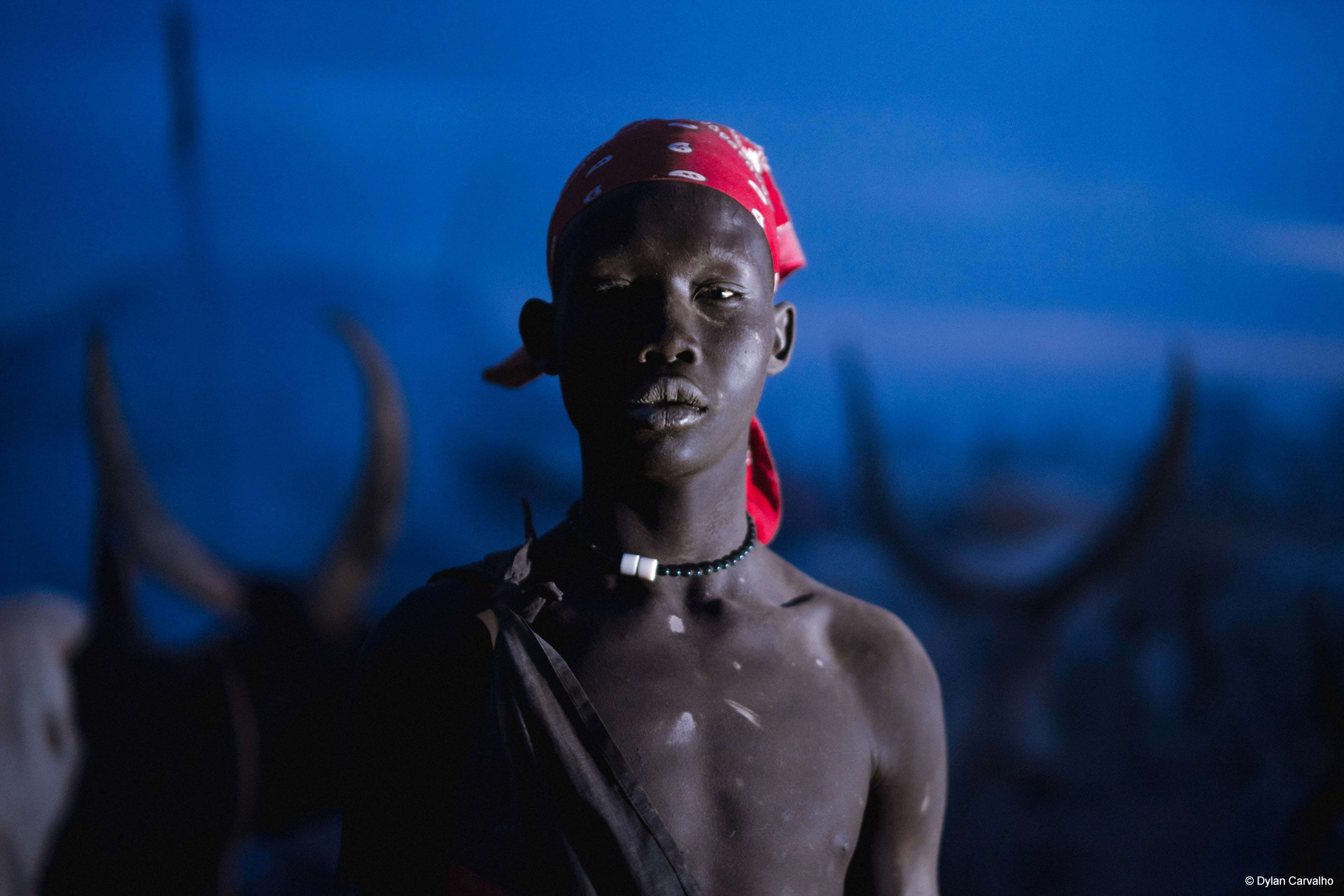
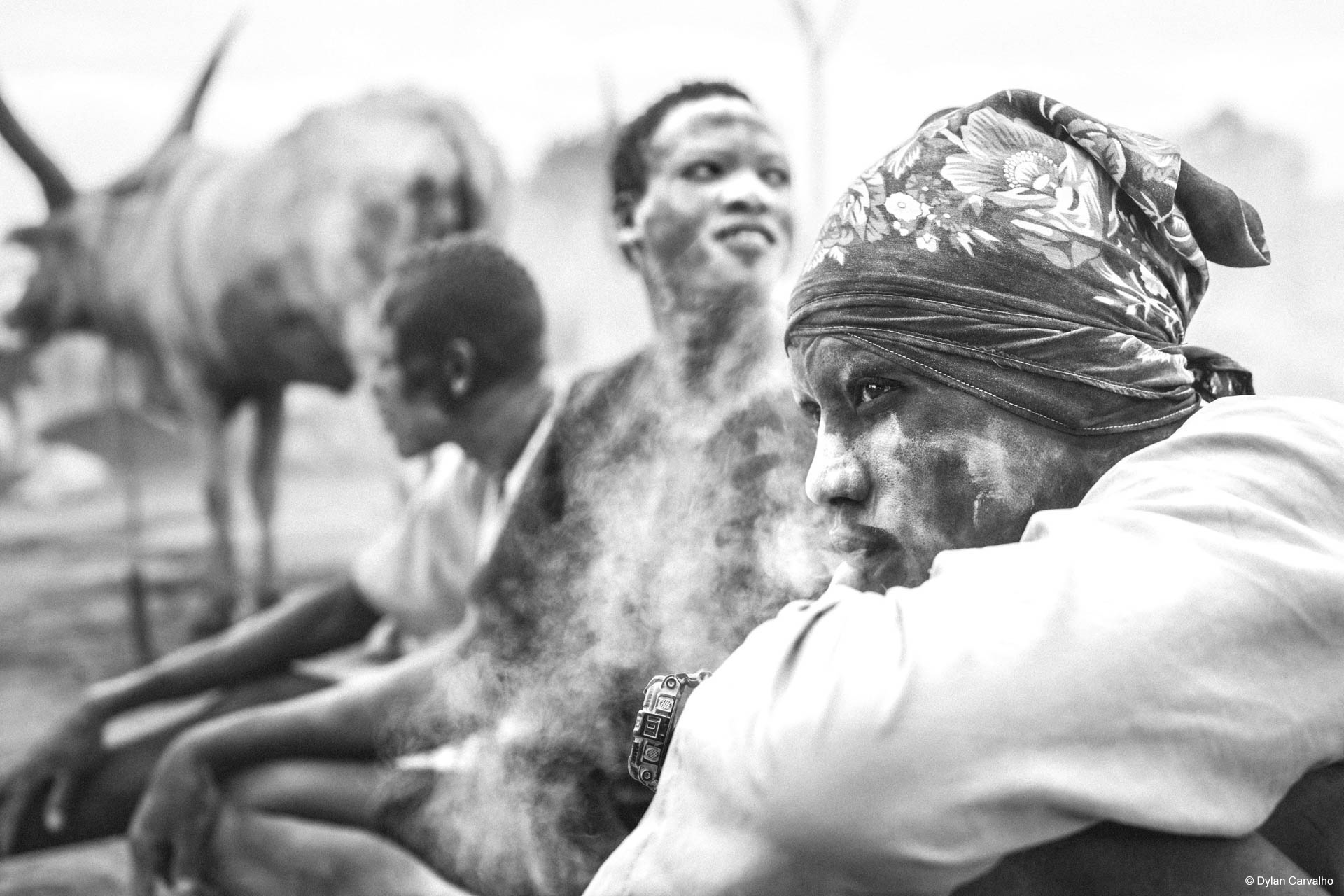
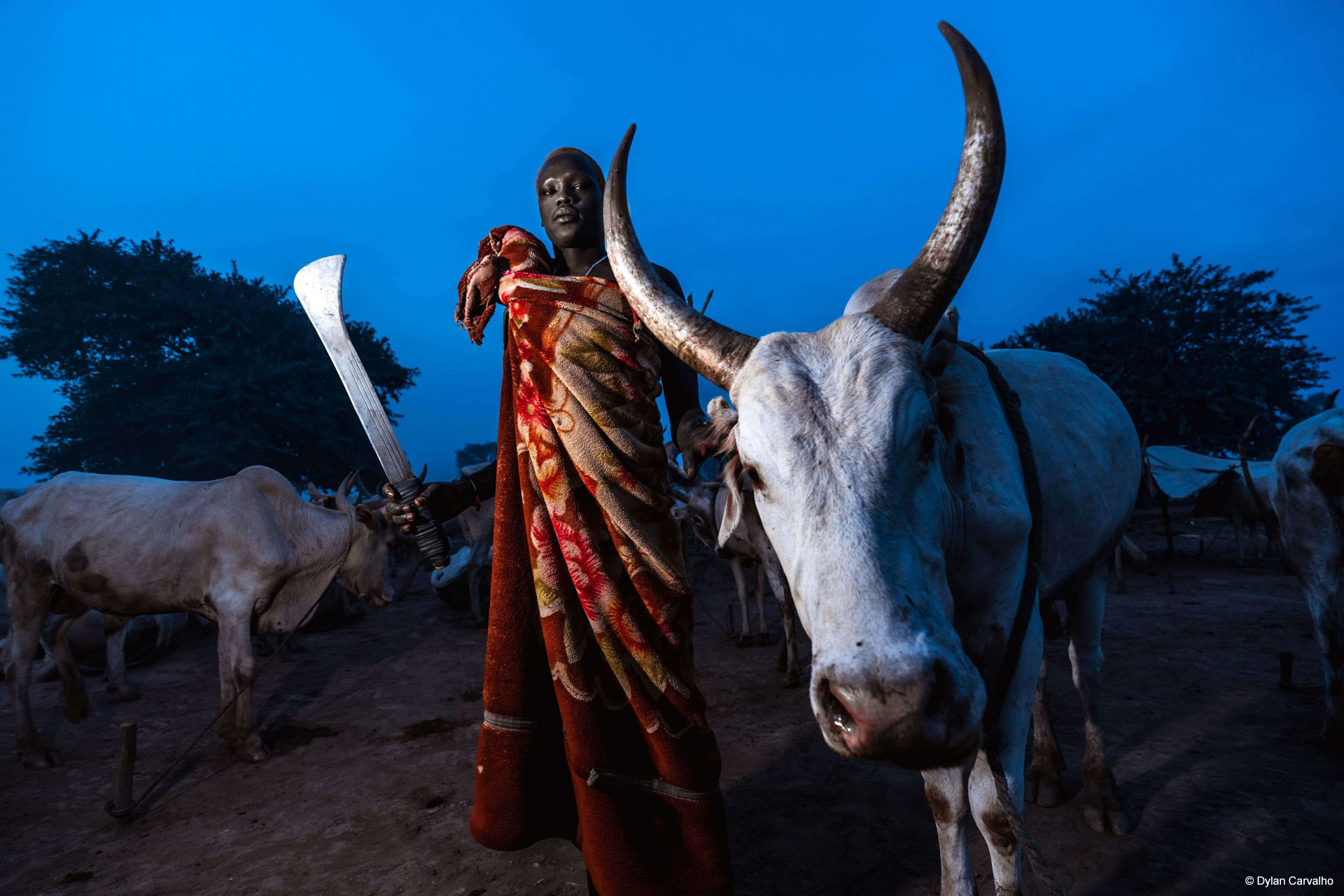
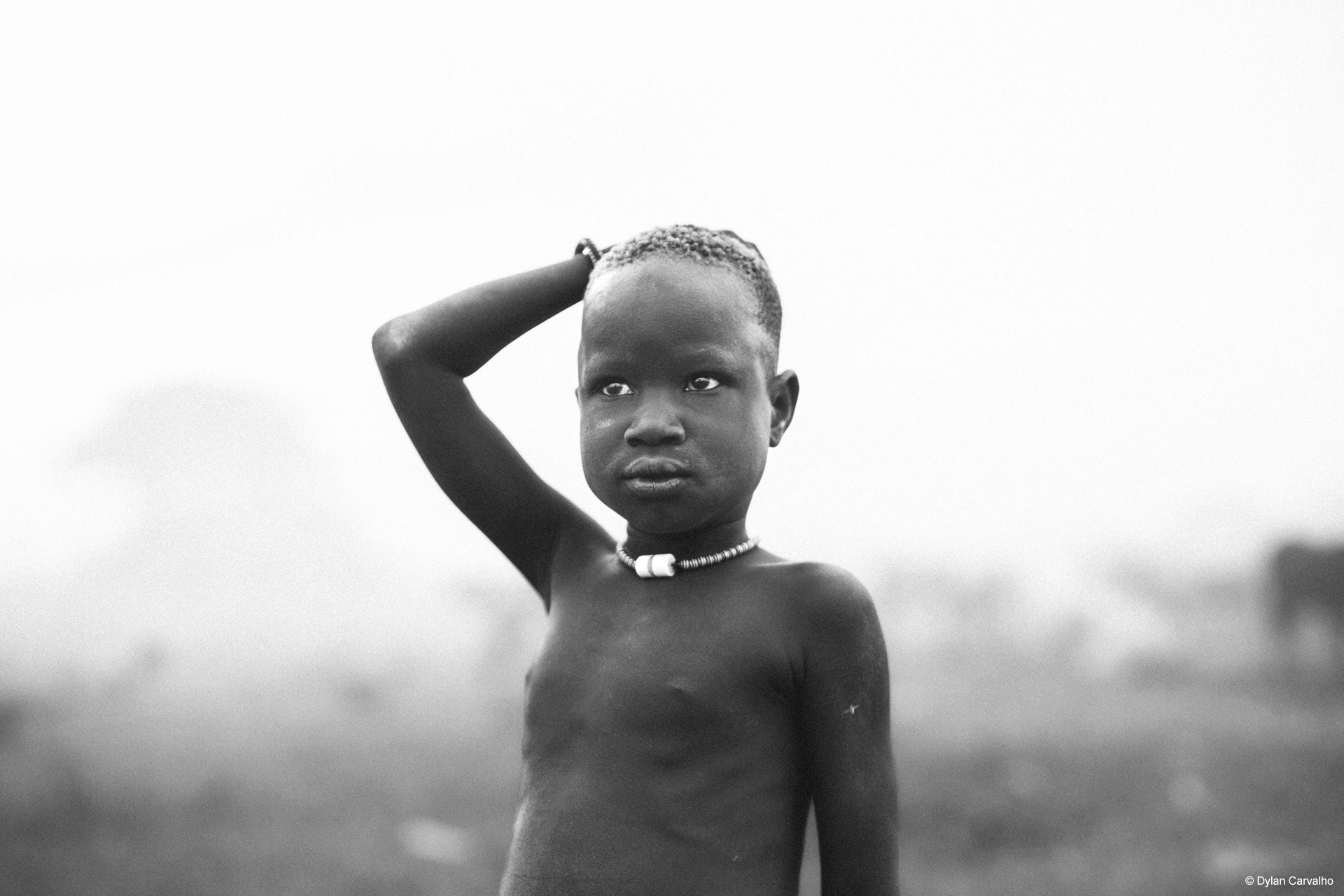
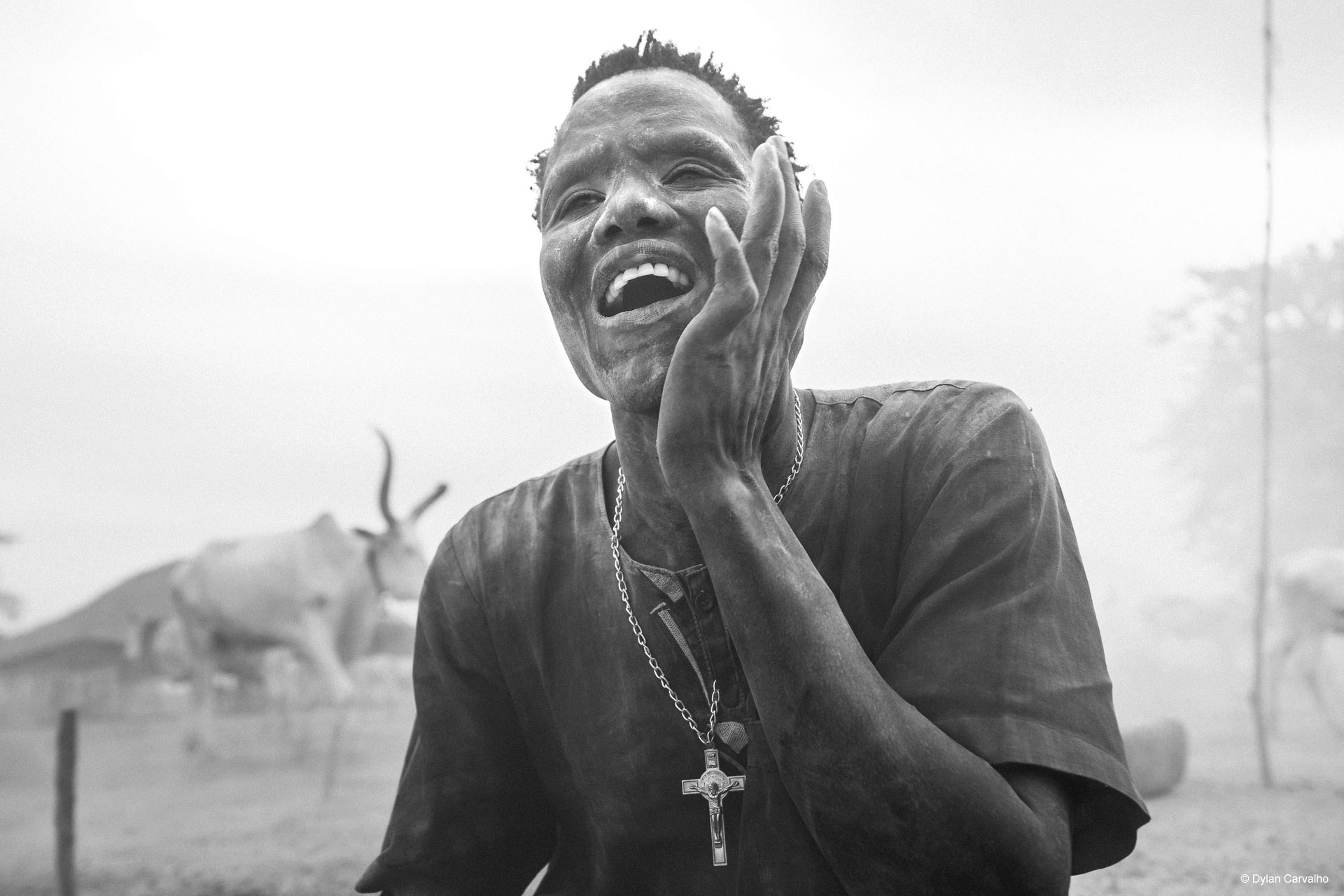
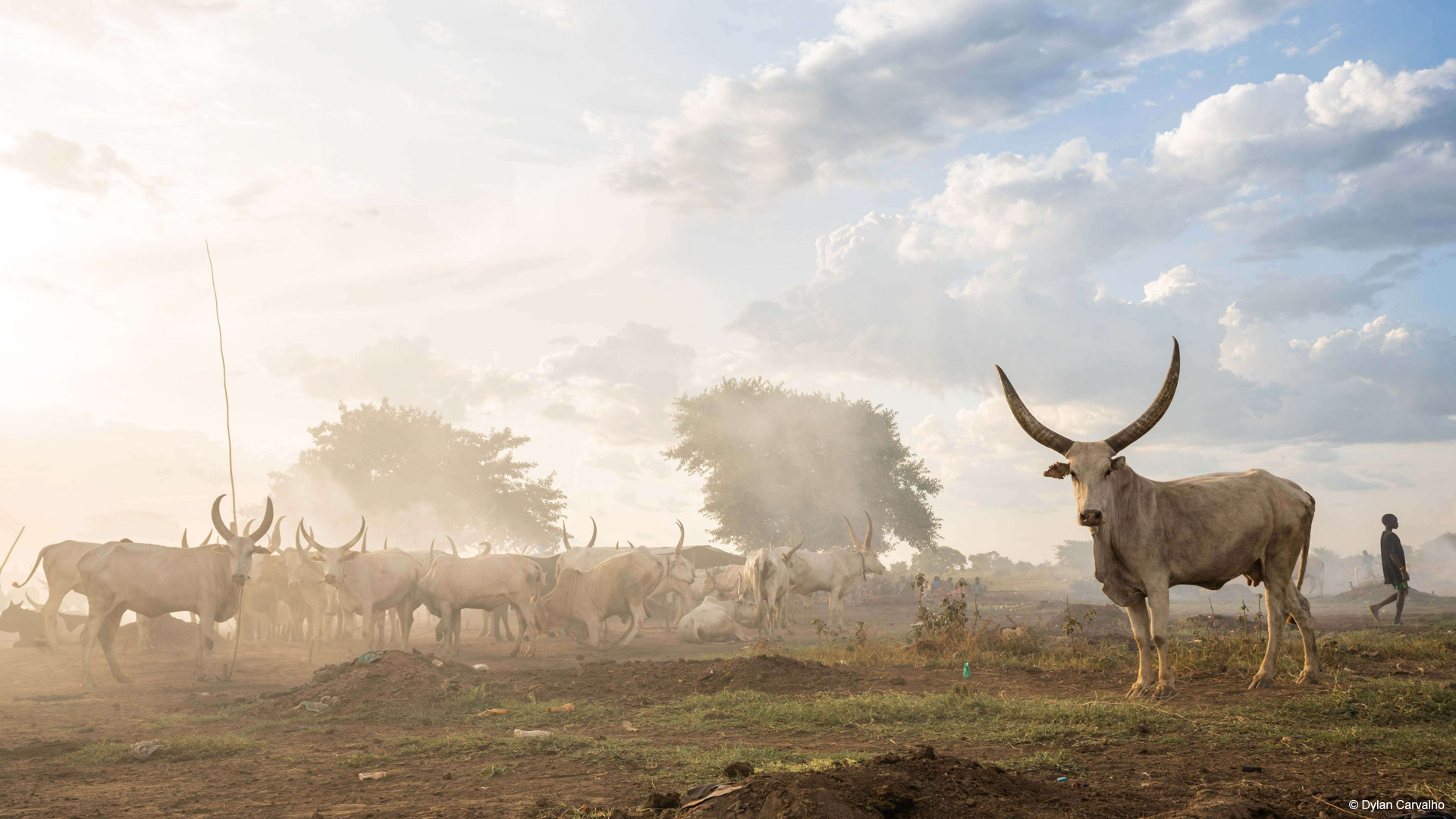
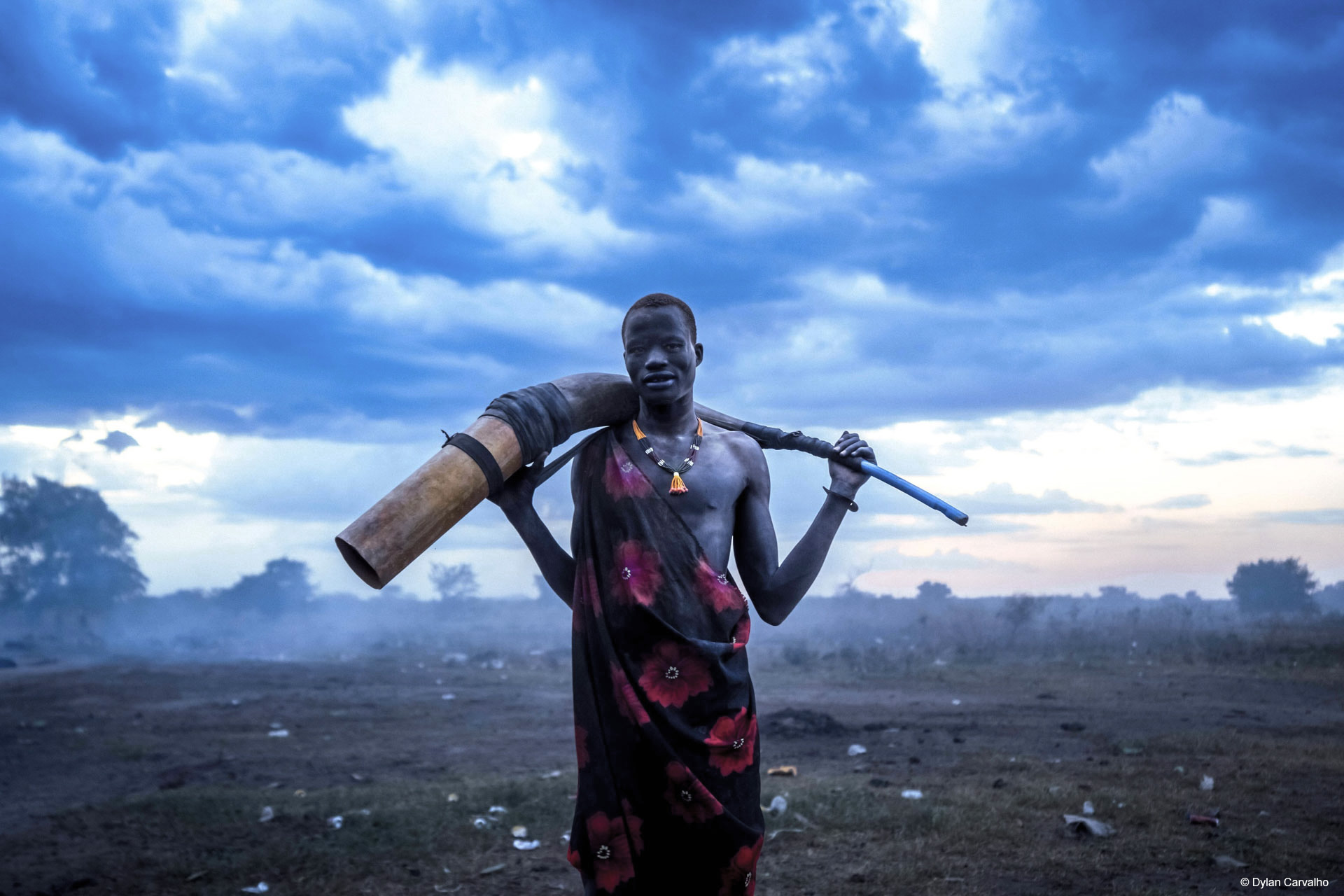
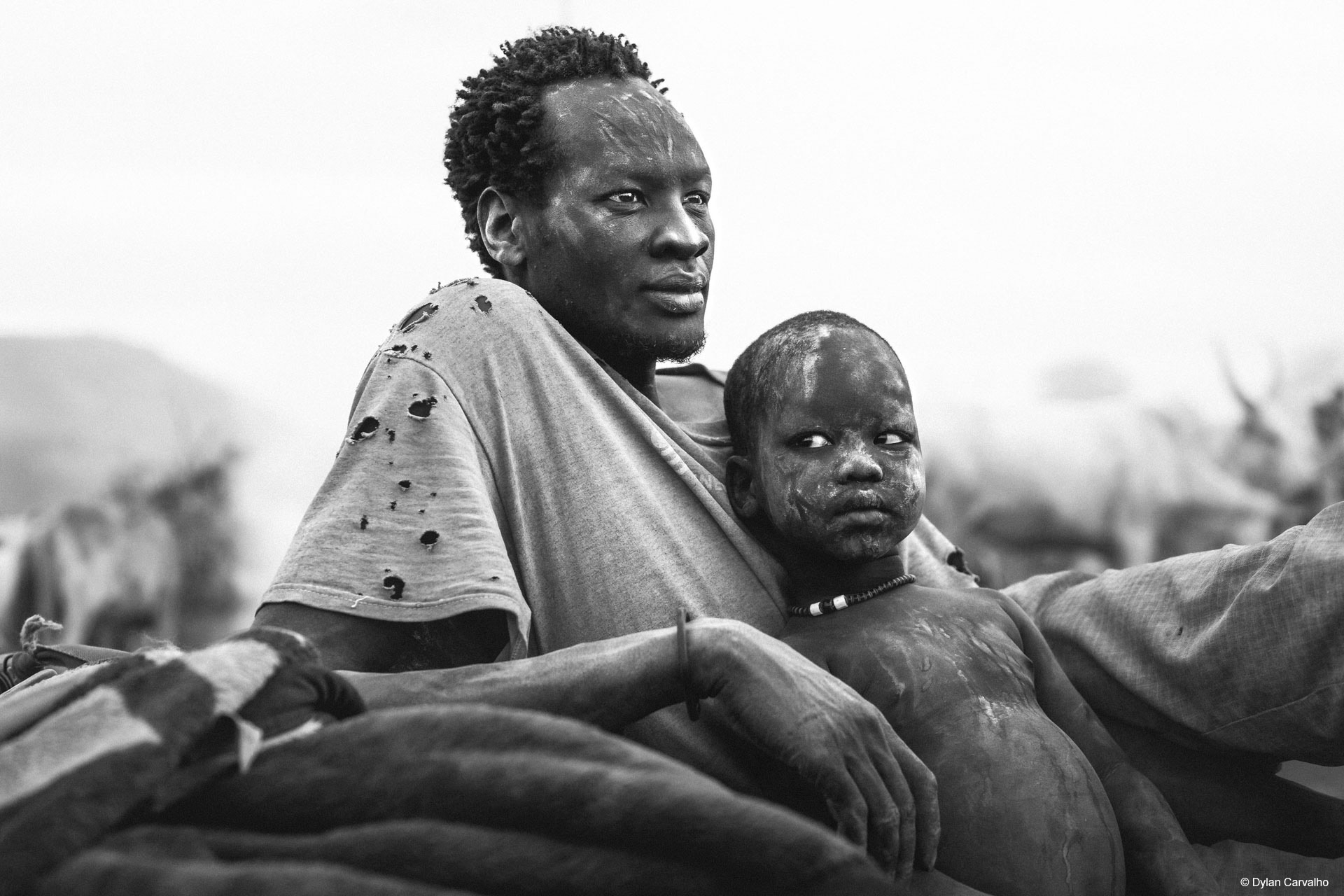
Our very last destination on our South Sudan photography tour was to visit the legendary Mundari tribe, who are arguably the most famous tribe of South Sudan for their cattle herding and rubbing ash made from burning cow dung on their faces and bodies. The markings made are intended to decorate the body and dye their hair an orange colour. Additionally, it protects the skin against the sun and insects.
The Mudari tribe is believed to have originated from the Bari ethnic group, which is one of the largest tribes in South Sudan. According to oral tradition, the Mudari people were once part of the Bari tribe but later separated and formed their own community. The reason for the separation is unclear, but it is believed to have been due to a disagreement over leadership. The Mudari tribe currently has an estimated population of about 10,000 people, and they mainly reside in the Moru and Kajo-Keji counties of South Sudan.
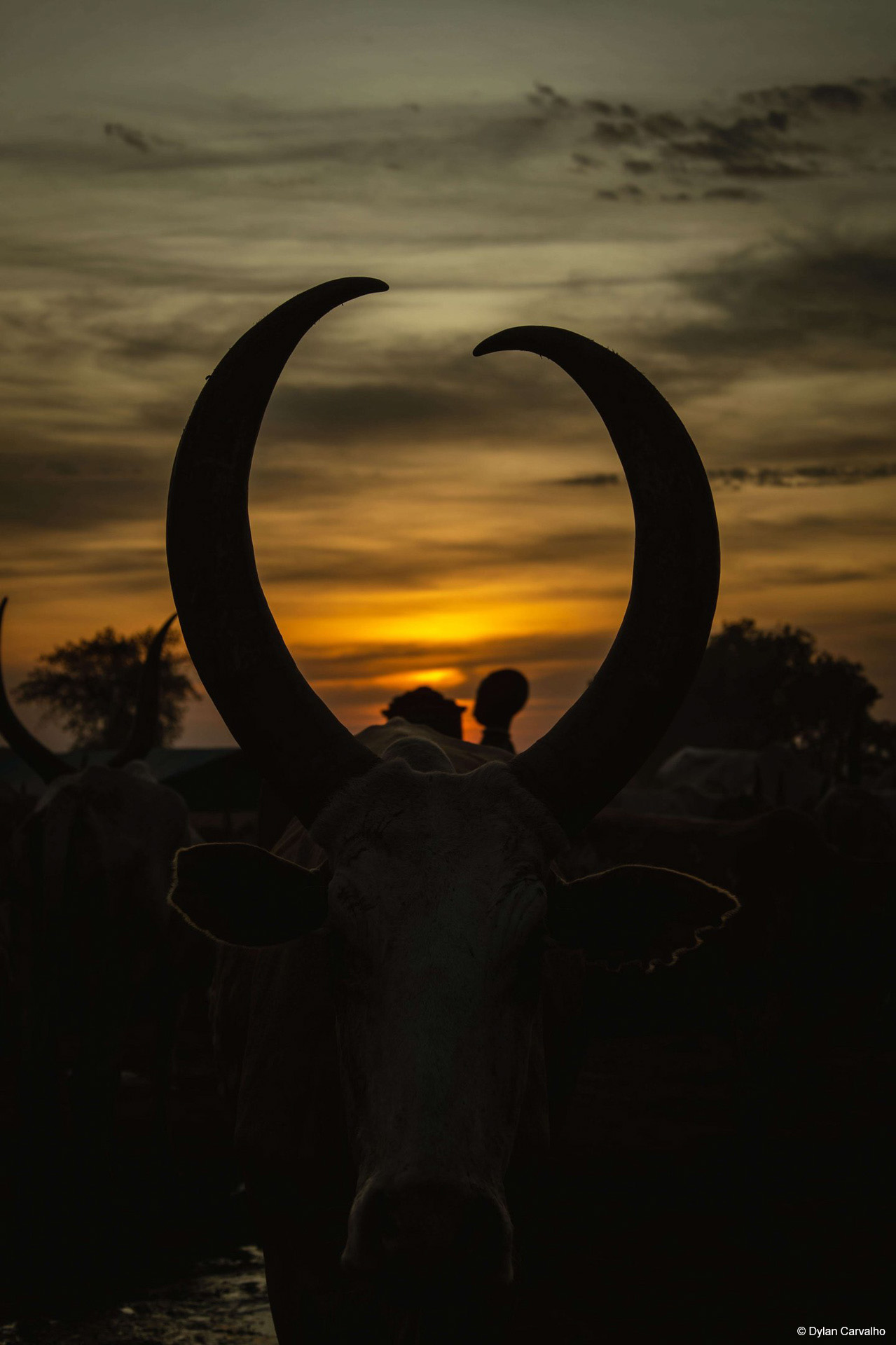
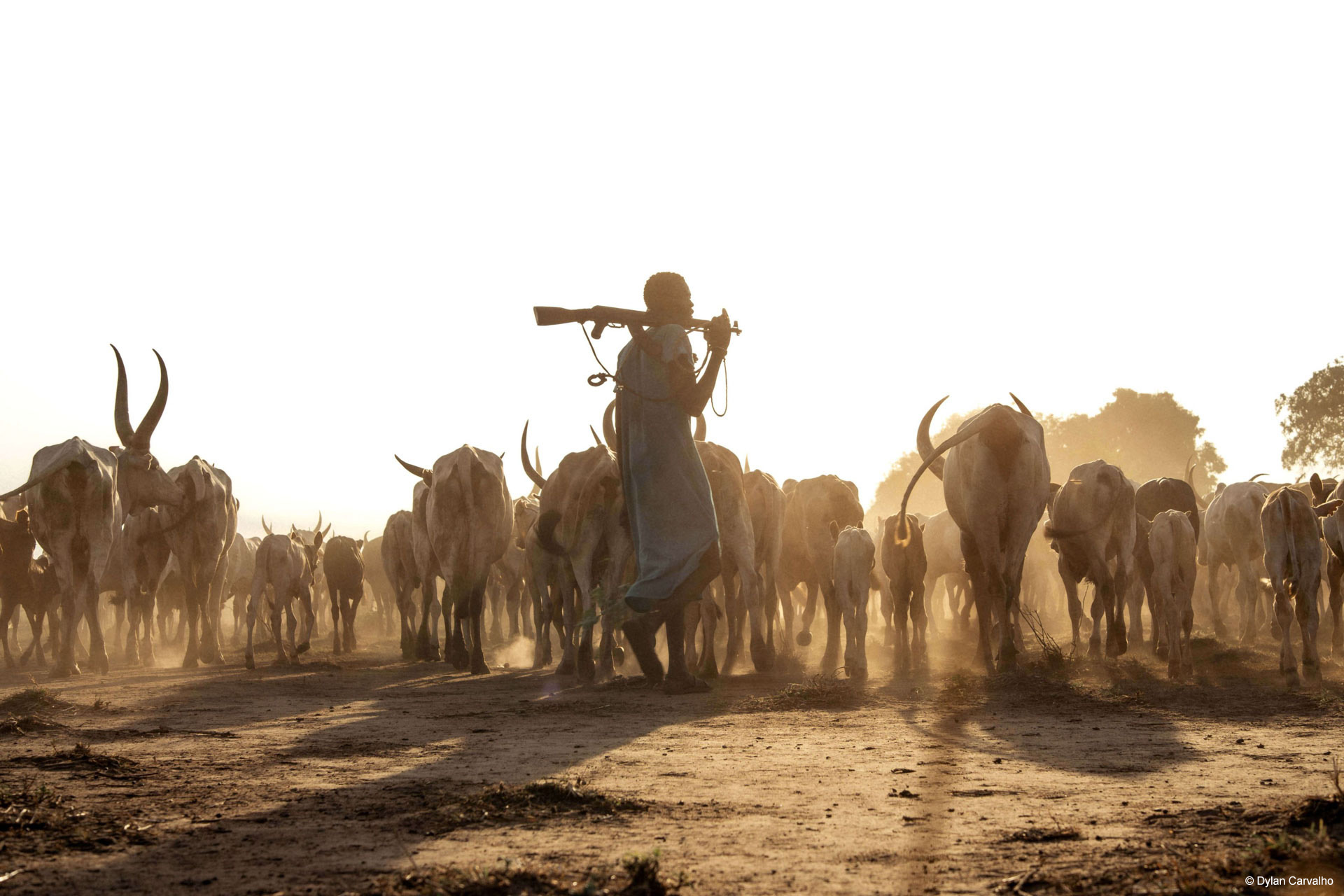
The Mundari have a deep connection to their Ankole-Watusi cattle, which I found to be one of the most captivating aspects of their culture. During the rainy season when their cows have an abundance of grass to graze on, the Mundari rely solely on milk for their nutrition, a practice that lasts for approximately three to four months. This bond between the Mundari and their cattle is so strong that they even pass on their names to their children in a distinct manner that reflects their affection for these animals.
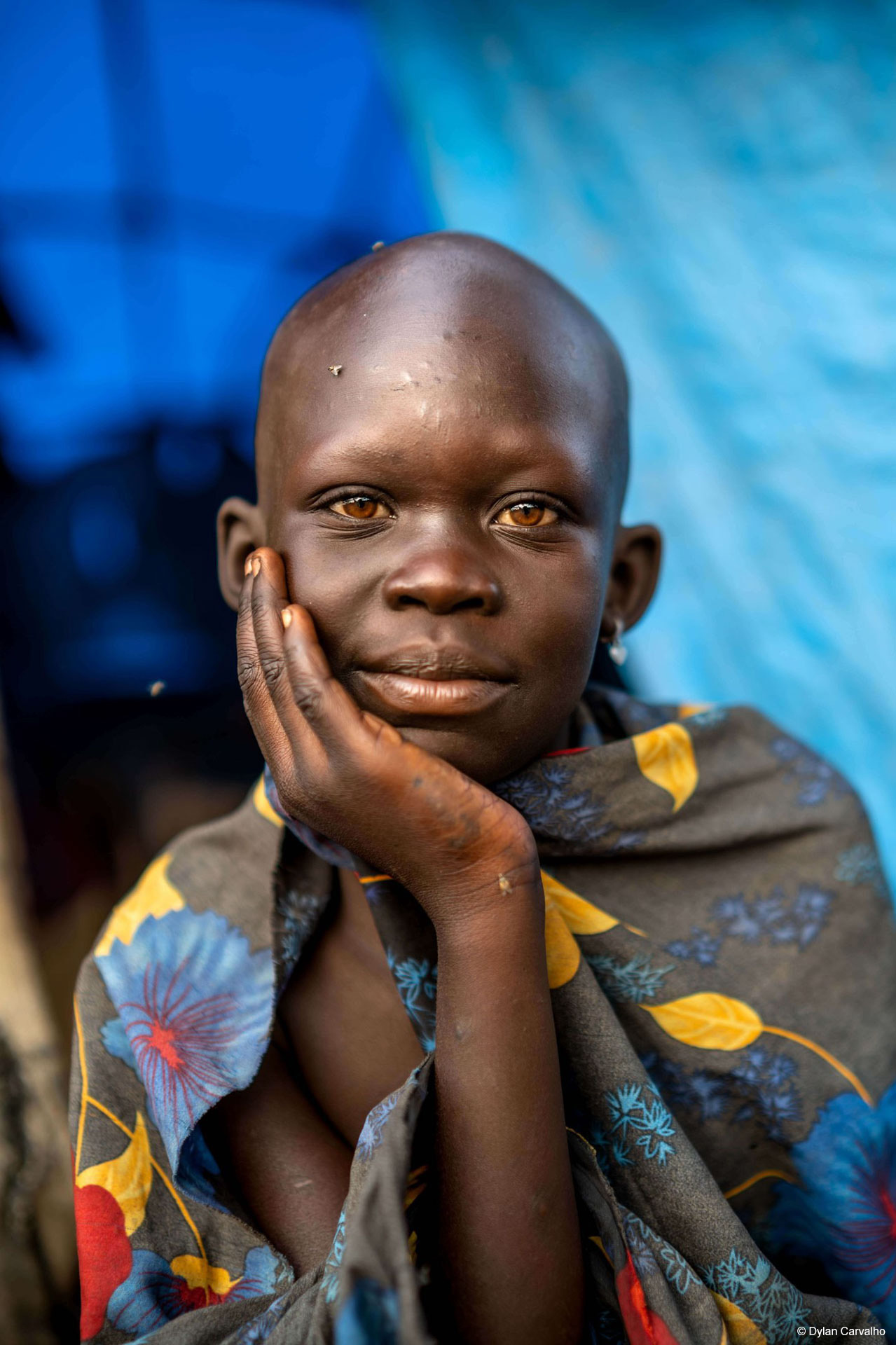
Our journey through South Sudan changed into a humbling and eye-opening experience. We were fortunate to witness firsthand the beauty of the landscape and the richness of the various tribes.
This experience was organised by Kirsten Frost, the lead guide of the trip who was relentless in his pursuit to create the best possible experience for our guests. More than that, the entire local FROST team was fantastic and each individual had a unique beautiful charisma which was also appreciated by our guests. Ultimately, we believe that our guest left South Sudan with amazing imagery and memories that shall last forever.
I hope that this brief blog inspires you to discover South Sudan for yourself and embrace the adventurous child in you!
by Dylan Carvalho
7 - 17 February 2027
Stay ahead of the adventure. Be the first to know about our newest destinations—sign up now!